Industrial epoxy flooring in Sydney for warehouses is durable, slip-resistant & cost-effective. This is exactly what warehouse owners and facility managers across Sydney are searching for. If your current concrete floor is cracking, staining, or creating a safety hazard for workers, you already know the cost of doing nothing is higher than the cost of fixing it.
Warehouse floors take a beating every single day. Forklifts, pallet jacks, foot traffic, chemical spills, and heavy point loads all contribute to the deterioration of untreated concrete. What you need is a surface that fights back. Industrial epoxy flooring does exactly that. It bonds directly to the concrete substrate, creating a unified, hardened surface that resists damage, repels moisture, and keeps your team safe.
This guide covers everything Sydney warehouse operators need to know: the problems that make people seek out industrial epoxy flooring, how the right solution compares to alternatives, what the installation process looks like, and how to choose a contractor you can actually trust. According to Safe Work Australia, slips, trips, and falls remain one of the top causes of workplace injuries, and the right floor coating directly reduces that risk.
What You’ll Learn in This Article: Whether you manage a Sydney warehouse, distribution centre, manufacturing facility, or workshop, this guide shows you why industrial epoxy flooring is the most practical and cost-effective upgrade you can make and how Sydney Epoxy Flooring delivers it right.
Industrial Epoxy Flooring Common Problems Sydney Warehouse Operators Face
Cracking and Deteriorating Concrete Under Heavy Industrial Load
Bare concrete in a working warehouse degrades fast. Heavy forklifts, repeated point loads from racking systems, and constant vibration all create micro-fractures that grow over time. Within a few years, you end up with crumbling edges, loose debris, and an actively dangerous surface.
Why it happens: Standard concrete was never designed to handle the concentrated load cycles of a modern warehouse without surface protection.
Solution: A properly applied industrial epoxy flooring system bonds to the concrete at a molecular level, distributing load and sealing cracks before they spread. The epoxy coating creates a compression-resistant layer that extends the life of the underlying slab significantly.
Why it works: With 12 years of experience across Sydney warehouses, our team sees this outcome consistently. Epoxy-coated floors that are properly prepared and installed show minimal surface wear even after years of heavy forklift traffic.
Slippery Floors Creating OH&S Liability
A wet or dusty warehouse floor is a lawsuit waiting to happen. Oil spills, water ingress, and fine concrete dust all reduce traction dangerously, especially when workers are moving quickly or operating machinery.
Why it happens: Untreated concrete is porous and absorbs contaminants, while polished concrete can become extremely slick when wet.
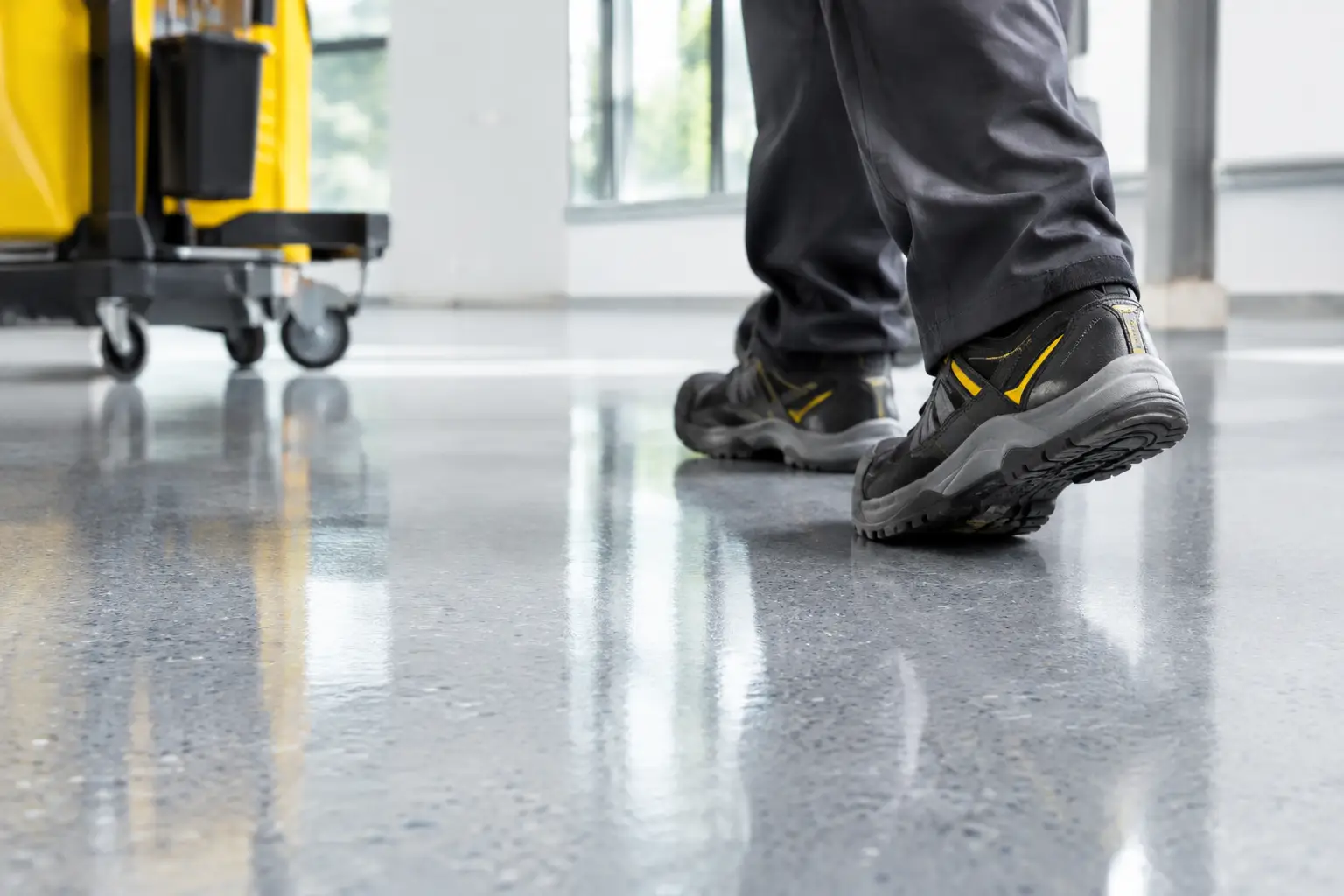
Solution: Industrial epoxy flooring can be finished with anti-slip aggregates or textured broadcast systems that maintain grip even in wet conditions. Our systems are designed to meet Australian OH&S requirements while still looking clean and professional.
Why it works: The slip-resistant finish does not wear away quickly because the aggregate is locked into the epoxy matrix, not just applied on top.
Warning: Don’t Ignore Floor Safety Compliance. Under Australian workplace health and safety laws, employers have a duty to provide a safe working environment. A cracked, slippery, or deteriorating floor can result in significant fines and workers’ compensation claims. Industrial epoxy flooring is one of the most direct ways to address this obligation.
Chemical and Oil Contamination Penetrating the Slab
In manufacturing and logistics environments, chemical spills are routine. Without surface protection, oils, solvents, and cleaning chemicals soak into raw concrete, causing permanent staining, weakening the slab, and creating ongoing contamination risks.
Why it happens: Concrete is naturally porous; it will absorb whatever contacts its surface unless sealed.
Solution: High-build industrial epoxy flooring creates a non-porous, chemically resistant barrier. Spills sit on the surface and can be wiped away completely, protecting the structural integrity of the slab beneath.
Why it works: Epoxy polymer systems are formulated to resist a wide range of industrial chemicals. Our team selects the right system grade based on the specific chemical exposure in your facility.
High Maintenance Costs and Downtime from Floor Repairs
Patching bare concrete repeatedly is expensive and disruptive. Every repair means production downtime, temporary hazards, and costs that add up without actually solving the underlying problem.
Why it happens: Without a protective coating, concrete repair is a never-ending cycle.
Solution: A single industrial epoxy flooring installation, done properly, eliminates the patching cycle. The surface is seamless, easy to clean, and designed to last for years under industrial conditions.
Why it works: Long-term maintenance of an epoxy-coated floor is minimal; routine sweeping and occasional mopping are generally all it takes. Most Sydney clients report significant reductions in floor-related maintenance spend within the first year.
Coverage Areas Across Sydney
We deliver industrial epoxy flooring in Sydney across all major commercial and industrial zones, including Castle Hill, Parramatta, Blacktown, Liverpool, Campbelltown, Eastern Creek, Wetherill Park, Seven Hills, Prestons, and the greater Sydney metro region. No project is too far or too large.
Our Expertise in Industrial Epoxy Flooring: Sydney’s Trusted Specialists
Sydney Epoxy Flooring has been operating for over 12 years, building a portfolio of completed projects across Sydney’s most demanding industrial environments. Our technicians are trained in the latest epoxy application techniques and are fully versed in Australian OH&S compliance requirements, including Safe Work Method Statement (SWMS) preparation for every project.
We source materials exclusively from tier-one suppliers, including Sika, Hychem, A&I Coatings, Flowcrete, and Alka Coatings brands used by serious contractors worldwide. This means your industrial epoxy flooring is backed by both installation expertise and material quality.
Our team holds current trade certifications, carries full public liability and workers’ compensation insurance, and operates with a SWMS on every site. Sydney Epoxy Flooring currently holds a 5-star rating across 137+ verified Google reviews, a reflection of consistent project delivery and client satisfaction.
Beyond credentials, what distinguishes our approach is genuine collaboration. We don’t work for you, we work with you. From the first site inspection through to final handover, every decision is made transparently with your operational needs at the centre.
How Epoxy Flooring Actually Works: The Science Behind the Surface
Most people choose industrial epoxy flooring because they’ve heard it’s tough. But understanding why it’s tough helps you make a more informed decision about whether it’s right for your facility.
Epoxy is a two-part system: a resin and a hardener. When these two components are mixed together, a chemical reaction begins called polymerisation. This reaction doesn’t just dry the material; it transforms it at a molecular level into a rigid, cross-linked polymer network.
When this mixture is applied to a prepared concrete surface, it doesn’t simply sit on top. It penetrates the micro-pores of the concrete substrate and chemically bonds to the surface. The result is not a coating that sits on your floor; it becomes structurally part of the floor itself.
This is why:
- Epoxy doesn’t peel under point loads the way paint or sealers do
- It resists moisture transmission from below because the polymer network closes off the capillary pathways in the concrete
- It can be built up in layers to increase compressive strength progressively
The final cured hardness of an industrial epoxy system typically falls between 75 and 85 Shore, comparable in hardness to a solid timber floor, but with far greater chemical and abrasion resistance.
One important variable is the temperature during application. Epoxy cures through a chemical reaction, not evaporation, so ambient temperature directly affects pot life and final strength. In Sydney’s western suburbs, where summer temperatures can exceed 38°C, experienced applicators adjust mix ratios and working times accordingly. This is a key reason why DIY epoxy kits rarely achieve the same durability as professionally installed systems.
When Epoxy Flooring May Not Be the Right Solution
Industrial epoxy flooring works well in many facilities, but it may not be suitable in certain conditions. Understanding these limitations helps avoid costly problems.
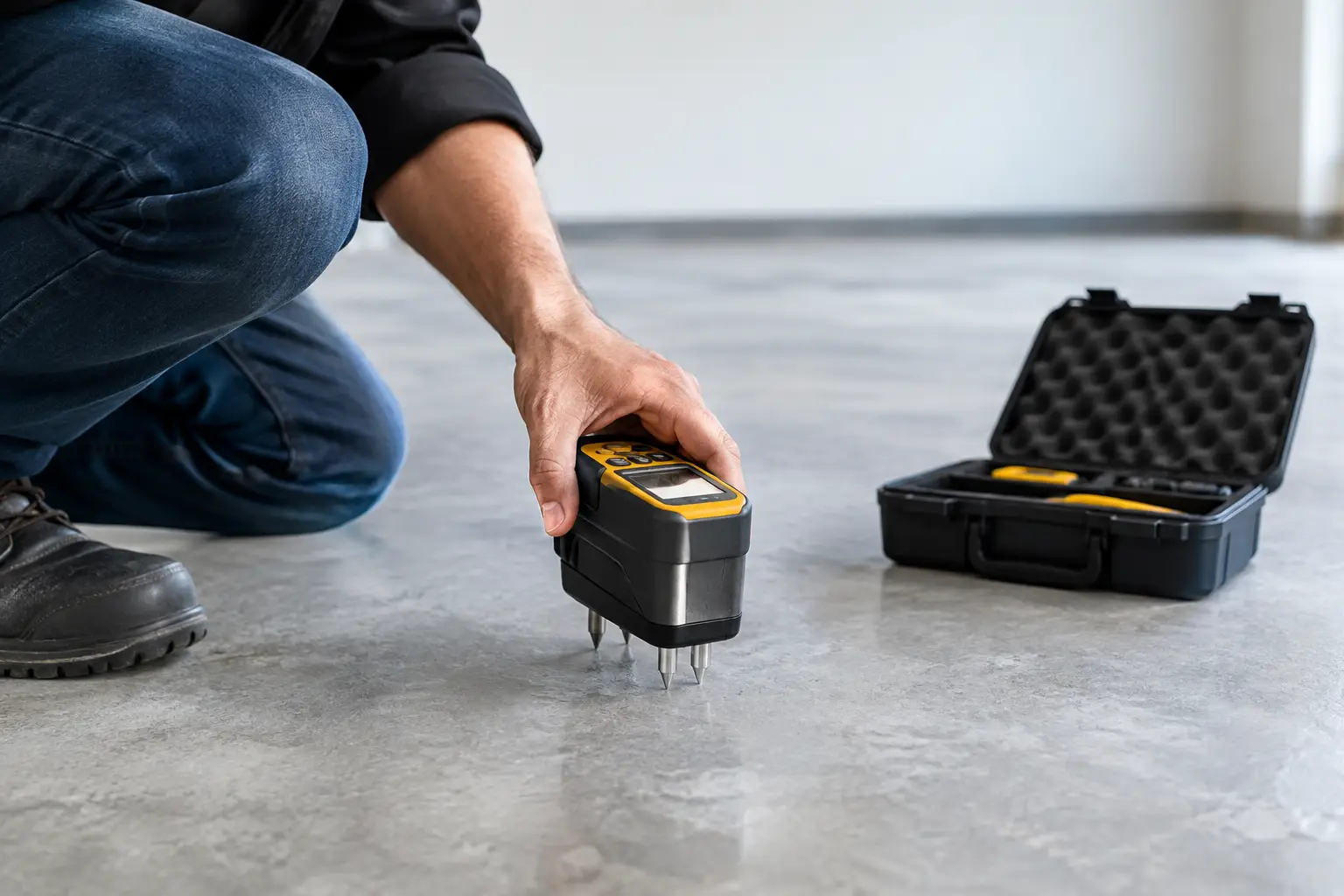
- High Moisture Levels: Excess moisture in concrete can cause epoxy to peel or delaminate. Moisture testing is recommended before installation.
- Severely Damaged Concrete: Epoxy is a coating, not a structural repair. Major cracks or slab damage must be fixed first.
- Constantly Wet or Extreme Environments: Areas with standing water, steam cleaning, or extreme temperature changes may require polyurethane or specialised systems.
- Short-Term Warehouse Leases: If the space is temporary, a full epoxy system may not be cost-effective.
Proper floor assessment ensures you choose the right flooring system for your environment.
Warehouse Floor Maintenance Guide After Epoxy Installation
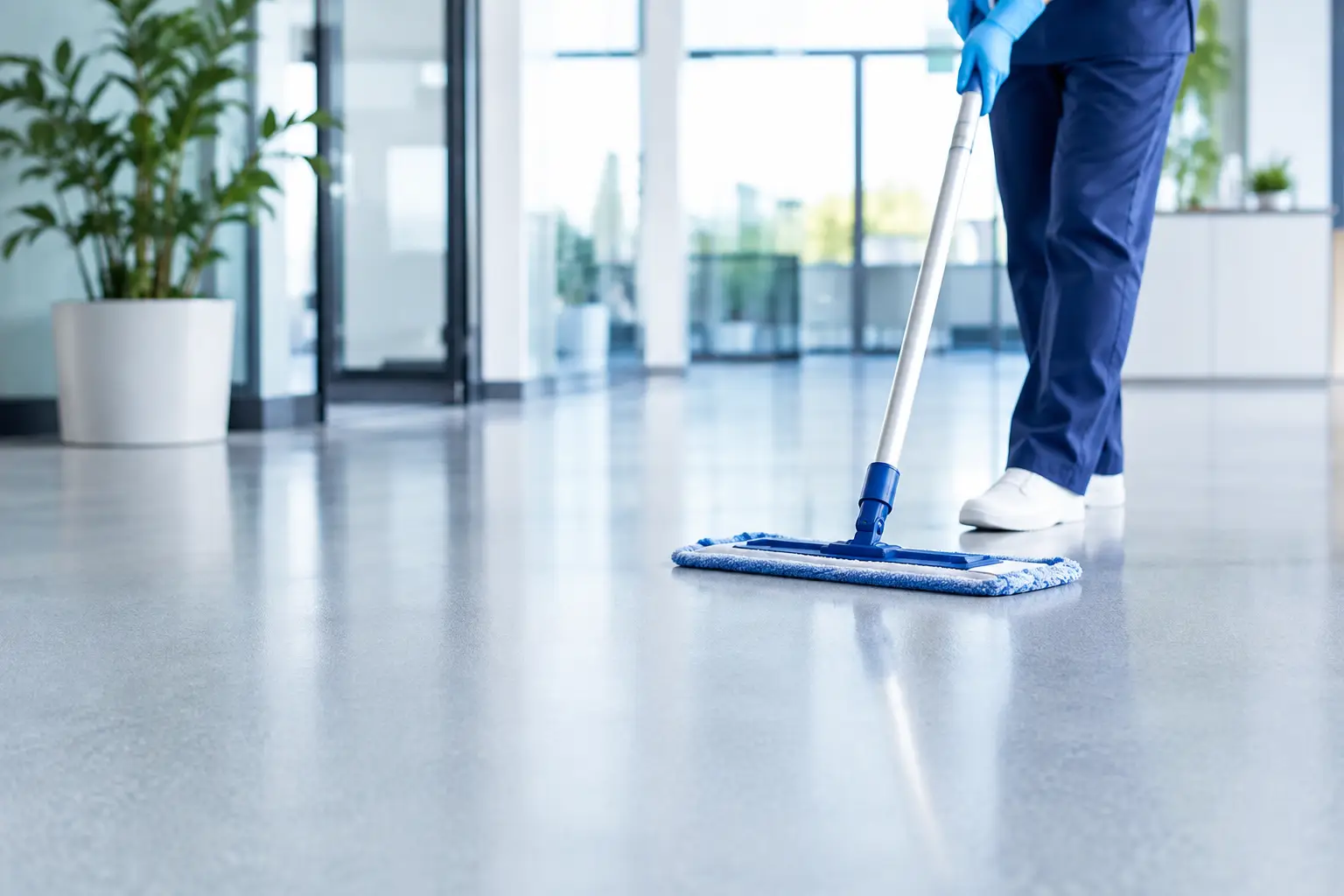
A well-installed industrial epoxy floor requires minimal maintenance, but regular care helps extend its lifespan and maintain safety.
Routine Maintenance
- Daily Sweeping: Remove dust and grit to prevent surface wear from forklift traffic.
- Clean Spills Quickly: Even though epoxy is chemical-resistant, leaving spills for too long can cause stains or damage.
- Wet Mopping: Use a neutral-pH cleaner and water for regular cleaning.
What to Avoid
- Abrasive pads or steel wool
- Strong chemicals like high-concentration bleach
- Dragging sharp metal objects across the floor
- Leaving standing water for long periods
Annual Inspection
Check for surface wear, edge lifting, loss of anti-slip texture, or cracks. Early repairs or a maintenance topcoat can extend the floor’s lifespan and reduce long-term costs.
Australian Compliance Standards for Warehouse Flooring
Warehouse floor specification in Australia is influenced by several overlapping regulatory frameworks. Understanding these requirements helps facility managers make informed flooring decisions and avoid compliance gaps.
Work Health and Safety (WHS) Act 2011.
Under the WHS Act, persons conducting a business or undertaking (PCBUs) have a primary duty of care to ensure the workplace is safe and without health risks, so far as is reasonably practicable. Flooring condition is directly relevant to this duty; cracked, slippery, or contaminated floor surfaces can constitute a foreseeable hazard.
Safe Work Australia Code of Practice:
Managing the Work Environment and Facilities. This code provides practical guidance on how to manage workplace facilities, including floors. It specifies that floors should be even, free of obstructions, and have a surface that minimises the risk of slipping. Where wet processes are used, or liquids are regularly present, slip-resistant surfaces are explicitly recommended.
AS 4586 Slip Resistance Classification of New Pedestrian Surface Materials.
This Australian Standard defines how floor surface materials are tested and classified for slip resistance. The classifications range from P1 to P5 for pedestrian ramps and R9 to R13 for general surfaces. Industrial epoxy floors specified with appropriate anti-slip aggregates can achieve P4 or P5 ratings suitable for wet industrial environments.
BCA / NCC (National Construction Code)
The NCC sets minimum standards for floor surfaces in commercial and industrial buildings, including requirements for surface drainage gradients in wet areas and minimum slip resistance classifications for specific use categories.
Food Standards and HACCP Compliance
For warehouses storing or processing food, the floor surface must meet hygiene requirements under the Australia New Zealand Food Standards Code. This includes seamless, non-porous, cleanable surfaces that don’t harbour bacteria or pests, a profile that industrial epoxy flooring is specifically designed to meet.
Facility managers undertaking a flooring upgrade should document the specification, installation method, and material data sheets as part of their compliance records. This documentation supports due diligence in the event of a WHS audit or incident investigation.
How to Choose the Right Epoxy System for Your Warehouse
Choosing the right epoxy flooring system for your warehouse requires evaluating several key factors before installation. First, assess the type of traffic and load your floor will handle, such as foot traffic, forklifts, or heavy machinery, as heavier loads require thicker and more durable epoxy systems. Next, consider chemical exposure in your facility since different epoxy formulations provide varying levels of resistance to acids, solvents, and fuels. It is also important to test the concrete for moisture, as high moisture levels can affect epoxy adhesion and may require a moisture-tolerant system. Additionally, review operational constraints, such as installation time, required downtime, and any safety markings or colour requirements for your warehouse layout. Finally, conducting a professional floor audit helps identify moisture issues, existing damage, and structural concerns, ensuring the selected epoxy system performs reliably and lasts longer.
Local Knowledge That Makes a Difference for Sydney Warehouses
Sydney’s industrial zones each come with their own environmental and regulatory characteristics. Facilities in Western Sydney, particularly in areas like Eastern Creek, Wetherill Park, and Prestons, often deal with significant moisture movement through concrete slabs due to the area’s clay-heavy soil profiles. This makes moisture testing a non-negotiable step before any industrial epoxy flooring installation.
Facilities closer to Port Botany and Mascot face different challenges, including high throughput, 24/7 operations, and strict hygiene requirements for food logistics. Our team has completed flooring projects in these environments and understands the scheduling constraints, compliance requirements, and performance standards involved.
When you choose industrial epoxy flooring in Sydney through our team, you’re getting contractors who know the local conditions, local councils, and local industry expectations, not a franchise operation reading from a script.
Frequently Asked Questions (FAQ)
Q1: How long does industrial epoxy flooring last in a Sydney warehouse?
Industrial epoxy flooring typically lasts 10–20 years when properly installed and maintained in high-traffic warehouse environments.
Q2: Is industrial epoxy flooring slip-resistant?
Yes. Industrial epoxy flooring can include anti-slip additives, making it safe for wet warehouse areas and loading docks.
Q3: How much does industrial epoxy flooring cost in Sydney?
Industrial epoxy flooring in Sydney usually depends on the floor condition and system type.
Q4: How long does epoxy floor installation take?
Most warehouse epoxy flooring installations take 2–5 days, with full curing completed within 5–7 days.
Q5: Can industrial epoxy flooring handle forklift traffic?
Yes. Heavy-duty industrial epoxy flooring systems are designed to withstand forklifts, heavy equipment, and constant warehouse traffic.
Q6: Can epoxy flooring be installed over existing concrete?
Yes. Existing concrete floors can be repaired and prepared before applying industrial epoxy flooring for a durable finish.
Why Choose Sydney Epoxy Flooring for Industrial Epoxy Flooring in Sydney
With 12+ years of experience, Sydney Epoxy Flooring delivers durable industrial epoxy flooring solutions for warehouses, factories, and distribution centres across Sydney. We design flooring systems based on your work environment, load requirements, and budget—ensuring long-lasting performance.
Our trusted portfolio includes projects for NSW Police Force, NSW Government agencies, and major national retailers, reflecting our reliability and expertise in large-scale industrial flooring.
Our Industrial Epoxy Flooring Process
- Floor Inspection: We assess the concrete condition, load capacity, and moisture levels.
- Surface Preparation: Diamond grinding and repairs ensure strong epoxy adhesion.
- Priming: A penetrating primer seals the concrete for maximum bonding.
- Epoxy Application: Industrial coating is applied in layers with an optional anti-slip finish.
- Curing & Final Check: We complete a full inspection before project handover.
Contact Sydney Epoxy Flooring Experts:
Phone: 1300 621 873
Email: info@sydepoxyflooring.com.au
Address: Unit 123/7 Hoyle Ave, Castle Hill, NSW 2154
Follow Us on Social Media:
Facebook
Instagram
YouTube
LinkedIn