Top 7 Commercial Kitchen Waterproofing Methods in Sydney – Floor, Wall & Joint Protection Guide (2026) is the resource every café owner, restaurant manager, and food facility operator in Sydney needs right now. Water damage in a commercial kitchen doesn’t just mean wet floors; it means mould behind tiles, rotting subfloors, failed health inspections, and costly shutdowns.
Sydney’s commercial kitchens face a unique challenge: high-pressure hoses, constant steam, cooking spills, and refrigeration condensation all attack the same floor and wall surfaces every single day. If your waterproofing isn’t purpose-built for that environment, it will fail. According to NSW Food Authority guidelines, commercial food premises must maintain surfaces that are impervious to moisture, making proper commercial kitchen waterproofing methods not just smart, but legally required.
This guide covers every method you need, who it’s right for, and how Sydney Epoxy Flooring delivers each one across Sydney’s suburbs and industrial areas. Whether you manage a school canteen in Parramatta, a restaurant kitchen in the CBD, or a food processing plant in Western Sydney, this is your complete reference.
Commercial Kitchen Waterproofing Methods: Common Problems People Face
Kitchen Floor Cracks Letting Water Into the Subfloor
Water penetrating through cracked kitchen floors is one of the most common and most destructive issues in Sydney commercial kitchens. The problem happens when standard floor coatings are applied without proper substrate preparation, leaving micro-cracks that expand under thermal cycling from hot cooking equipment.
The solution is a multi-layer epoxy membrane system, the most reliable of all commercial kitchen waterproofing methods for floors. Sydney Epoxy Flooring applies diamond-ground surface preparation followed by a two-component waterborne epoxy primer, a reinforcing membrane layer, and a final chemical-resistant topcoat. This creates a seamless, impermeable barrier that moves with the substrate rather than against it. With over 12 years of experience and 2,000+ completed projects across Sydney, their team knows exactly which system each substrate type needs.
Drain and Sink Areas Showing Black Mould and Odour
Drain surrounds and under-sink zones are the most vulnerable spots in any commercial kitchen. Water constantly pools around floor wastes, and standard grout or tile adhesive breaks down in weeks under constant moisture. Mould follows fast, and with it, health inspection failures.
Sink and drain waterproofing using liquid-applied membranes is the right fix here. These flexible membranes conform to complex drain geometry, bond to both tile and concrete, and create a fully sealed junction. Sydney Epoxy Flooring specialises in this type of detail waterproofing, treating it as part of their comprehensive commercial kitchen waterproofing methods package. The result: zero mold growth and full compliance with AS 3740 waterproofing standards.
Cool Room Floors and Walls Sweating and Delaminating
Cool rooms and refrigeration areas suffer from a specific problem: condensation. Warm humid air meets cold surfaces constantly, creating moisture that attacks adhesion bonds between coatings and substrates. Over time, floor coatings bubble and delaminate, walls stain, and structural damage begins underneath.
Sheet membrane waterproofing, one of the most durable commercial kitchen waterproofing methods, is the right call for cool rooms. It’s applied as a continuous sheet that physically separates the cold substrate from moisture migration. Sydney Epoxy Flooring uses fibre-reinforced sheet membranes that can handle temperatures as low as -25°C without cracking or losing adhesion. This is the same approach used in industrial refrigeration across Western Sydney.
Don’t Skip Cool Room Waterproofing Moisture trapped beneath cool room floors can compromise refrigeration insulation, causing your system to work harder and increasing electricity costs, on top of structural damage.
Grease Traps and Waste Sumps Leaking into Surrounding Concrete
Grease traps deal with fats, oils, and biological waste that are highly corrosive to untreated concrete. In Sydney, many older kitchen facilities have untreated grease trap surrounds, and the result is concrete degradation that eventually allows grease and contaminated water to leach into the slab.
Grease trap sealing with chemical-resistant epoxy is the targeted solution. Among all commercial kitchen waterproofing methods, this is one of the most overlooked and most important for compliance. Sydney councils require grease traps to be leak-proof. Sydney Epoxy Flooring applies food-safe, chemical-resistant coatings that withstand pH extremes and high temperatures, keeping your trap sealed and your slab intact.
Seal your grease trap during a scheduled cleaning cycle to avoid business downtime; most treatments cure within 24 hours.
Kitchen Walls and Backsplashes Absorbing Steam and Fat
Wall surfaces behind cooking equipment take a constant hit from steam, fat splatter, and cleaning chemicals. Painted or untreated walls absorb moisture over time, leading to paint failure, substrate damage, and mold behind the wall surface, which is invisible until the damage is severe.
Waterproof wall coatings and backsplash systems address this directly. The best commercial kitchen waterproofing methods for walls use a cementitious base coat followed by an epoxy topcoat, creating a hard, hygienic, easy-to-clean surface. Sydney Epoxy Flooring installs these systems in kitchens across the Sydney CBD, North Shore, and South Sydney, always using food-grade materials that comply with AS/NZS 4674 construction standards.
Comparing Waterproofing Materials for Commercial Kitchens
Not all waterproofing products are created equal, and in a commercial kitchen, choosing the wrong material for a specific zone can mean early failure, costly remediation, and health compliance issues. Here’s a detailed breakdown of the four most common systems used in Sydney commercial kitchens:
Epoxy Membranes
Epoxy is a two-component system (resin + hardener) that cures into a rigid, seamless surface. It bonds exceptionally well to concrete and offers outstanding resistance to oils, fats, cleaning chemicals, and moderate thermal stress. Epoxy membranes are best suited for main kitchen floor areas where foot traffic, trolley loads, and chemical cleaning are constant.
Limitations: Epoxy is relatively rigid. In areas subject to significant thermal cycling, such as directly beneath cooking equipment, pure epoxy can crack over time as the substrate expands and contracts. It also requires a moisture-controlled substrate during installation; applying epoxy over a damp slab will cause adhesion failure.
Polyurethane Cement (PU Cement)
Polyurethane cement is a hybrid system combining the chemical resistance of polyurethane with the compressive strength of cement. It’s the most thermally resilient option available, tolerating temperatures from -40°C to +120°C without cracking or delaminating.
This makes PU cement the preferred choice for cooking line floors, dish wash areas, and steam zones, anywhere rapid temperature swings are a daily reality. It’s also slip-resistant in its standard finish, which is a safety requirement under the Work Health and Safety Act 2011 (NSW).
Limitations: PU cement is the most expensive option per square metre and requires skilled application to achieve a consistent finish. It’s overkill for low-thermal-stress zones like office corridors or storage rooms.
Liquid-Applied Membranes (Flexible)
Liquid membranes are brush or roller-applied coatings, typically polyurethane or acrylic-based, that cure into a flexible, rubber-like film. Their biggest advantage is conformability: they bridge hairline cracks, seal penetrations, and form a continuous waterproof layer around complex drain geometries that rigid systems cannot match.
These membranes are the standard solution for drain surrounds, floor waste junctions, pipe penetrations, and wall-to-floor junctions, all areas where movement and geometry make rigid coatings impractical.
Limitations: Liquid membranes are thinner than sheet systems and can be compromised by puncture or abrasion in high-traffic areas. They work best as part of a layered system, typically applied beneath a tile or epoxy topcoat rather than left exposed.
Cementitious Waterproofing Coatings
Cementitious systems are cement-based slurries modified with polymer additives to improve flexibility and waterproofing performance. They are vapour-permeable, which makes them well-suited for walls, sumps, grease trap surrounds, and below-grade surfaces where moisture pressure can come from both sides.
Unlike epoxy or polyurethane systems, cementitious coatings are breathable, meaning they allow trapped moisture to escape slowly without causing the coating to blister or delaminate. This is critical in older Sydney buildings where substrates may carry residual moisture.
Limitations: Cementitious coatings are not suitable for flooring in high-traffic zones, they lack the abrasion resistance of epoxy or PU cement. They also require compatible topcoats in food preparation areas to achieve the impervious, easy-clean surface required by the NSW Food Authority.
| Material | Thermal Tolerance | Flexibility | Best Zone |
| Epoxy Membrane | Moderate | Low | Main floors |
| PU Cement | High (-40°C to +120°C) | Medium | Cooking line, dishwashing |
| Liquid Membrane | Moderate | High | Drains, joints, penetrations |
| Cementitious | Low-Moderate | Medium | Walls, sumps, below-grade |
How to Maintain Commercial Kitchen Waterproofing – Long-Term Care Guide
A well-installed waterproofing system is an investment that should last a decade or more, but only if it’s maintained correctly. Here’s what kitchen operators need to know about day-to-day care and long-term upkeep.
Daily Cleaning Practices
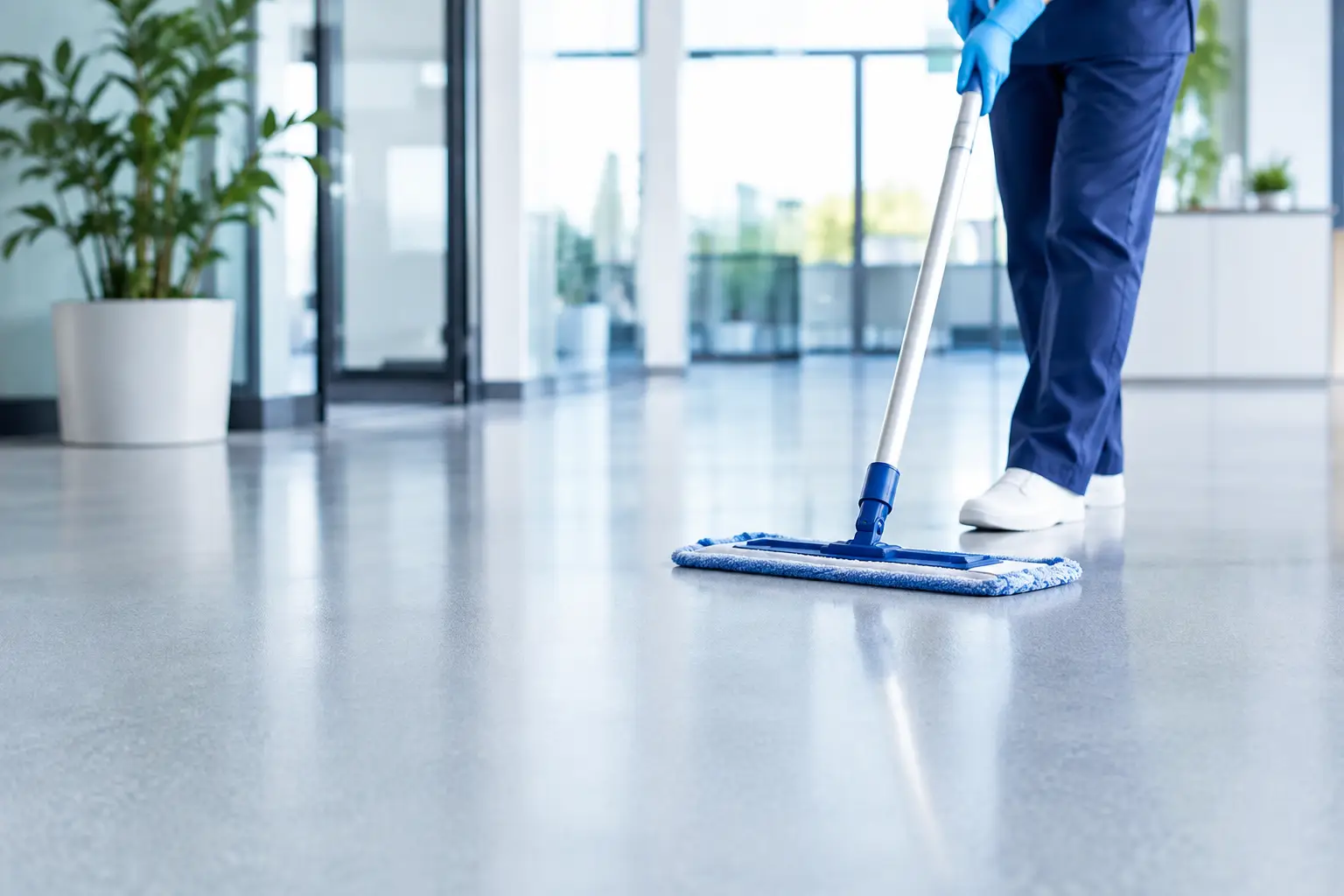
- Use pH-neutral or mildly alkaline cleaning products wherever possible. Highly acidic cleaners (pH below 4) can degrade epoxy topcoats and grout over time. Check your cleaning product’s pH and compare it against your flooring system’s chemical resistance data sheet.
- Avoid using steel wool, abrasive scrubbing pads, or rotary scrubbers with hard nylon brushes on epoxy-coated floors; these create micro-scratches that allow moisture and bacteria to accumulate.
- Squeegee standing water toward the floor drains after each cleaning cycle rather than letting it sit. Pooled water accelerates grout and joint degradation even on waterproofed floors.
Drain and Joint Maintenance
Floor drain covers should be removed and cleaned weekly. Debris accumulation around drain flanges is one of the leading causes of premature seal failure at floor waste junctions. Inspect the visible perimeter of each drain for cracking, lifting, or discolouration of the membrane or grout; these are early indicators of seal failure.
Expansion joints and control joints should be inspected every 6 months. If flexible sealant in these joints shows cracking, shrinkage, or loss of adhesion to either side, it should be raked out and replaced before water finds its way through.
Annual Inspection Checklist
Once a year, conduct a structured walk-through of your kitchen’s waterproofed surfaces using this checklist:
- Floors: Check for hollow sections (tap with a hard object, a dull thud indicates delamination beneath the surface), surface cracking, bubbling, or discolouration around drains and appliance bases.
- Walls: Check for efflorescence (white salt deposits), paint or coating peeling, mould near floor-wall junctions, and grout deterioration behind cooking equipment.
- Cool rooms: Check for frost lines or condensation penetrating beneath floor coatings, and inspect the wall-floor junction for lifting or cracking.
- Grease trap surrounds: Inspect for staining, erosion, or soft spots in the coating, signs that chemical attack is occurring.
Document findings with photographs and date-stamp them. This creates a maintenance record that is useful for insurance claims, council inspections, and planning future remediation work.
When to Resurface vs. Repair
Minor surface wear, small isolated cracks (under 2mm wide), and localised grout failure can generally be repaired in-place without full replacement. However, if delamination is found across more than 20–25% of a zone, or if moisture has penetrated to the substrate, a full strip-and-replace is more cost-effective than repeated spot repairs.
As a general guide, plan for a full system review every 8–10 years on high-use kitchen floors, even if no visible problems are present.
The Top 7 Commercial Kitchen Waterproofing Methods – Comparison Table
Use this table to quickly identify the right method for each zone in your kitchen:
| Method | Best For | Durability |
| Epoxy Membrane | Kitchen floors | 10–15 years |
| Polyurethane Cement | Wet/thermal zones | 12–20 years |
| Liquid Membrane | Drains & joints | 8–12 years |
| Cementitious Coat | Walls & sumps | 10–15 years |
| Sheet Membrane | Cool rooms | 15–25 years |
| Grease Trap Seal | Grease traps | 5–10 years |
| Countertop Epoxy | Food prep surfaces | 7–12 years |
All cost ranges are approximate. Sydney Epoxy Flooring provides fixed-price quotes after a free site assessment.
Why Choose Sydney Epoxy Flooring for Commercial Kitchen Waterproofing in Sydney?
Sydney Epoxy Flooring has delivered commercial kitchen waterproofing methods across more than 2,000 projects over 12 years. Based at Castle Hill and servicing all of Greater Sydney, from Penrith to Bondi, Parramatta to the Northern Beaches, they bring real-world experience to every job.
Their team of 120 skilled professionals understands the AS 3740 waterproofing standard, NSW Food Authority requirements, and the specific substrate conditions common in Sydney commercial kitchens. Every project starts with a detailed floor audit and assessment, not just a price estimate.
Our Process for Commercial Kitchen Waterproofing
- Floor Audit & Assessment: We inspect your kitchen, identify moisture entry points, assess substrate condition, and recommend the right commercial kitchen waterproofing methods for each zone.
- Surface Preparation: Diamond grinding removes existing coatings, opens concrete pores for maximum adhesion, and corrects defects with two-pack epoxy mortars.
- Primer Application: A two-component waterborne epoxy primer acts as a vapour retarder on porous substrates, minimising vapour drive into the membrane system.
- Waterproofing System Installation: We install the correct membrane, liquid, sheet, or epoxy, depending on the zone. All joints and penetrations receive special detailing.
- Final Coat and Inspection: A final protective topcoat is applied and the entire system is flood-tested before handover. You receive a written warranty.
Our Experience and Credentials
Sydney Epoxy Flooring is backed by 12 years of active operation in the Sydney market, 700+ satisfied commercial clients, and a team trained in Australian waterproofing standards, including AS 3740 and AS/NZS 4674. Owner Austin leads projects personally and is well-known across the industry for attention to detail.
Google reviews consistently rate the team 5 stars. Clients include restaurant groups, school canteens, food manufacturers, aged care facilities, and hospitality venues. Testimonials highlight professional service, on-time delivery, and workmanship that holds up years later. All materials used comply with NSW environmental and food safety regulations.
Ask any waterproofing contractor for their AS 3740 compliance documentation before work begins. Sydney Epoxy Flooring provides this as standard.
Sydney Commercial Kitchen Waterproofing: What We’ve Seen Across 2,000+ Projects
After completing over 2,000 commercial kitchen waterproofing projects across Greater Sydney, our team has identified clear patterns in how and where waterproofing fails in real kitchens.
Most Common Failure Points We’ve Found On-Site:
| Failure Zone | % of Projects Affected | Primary Cause |
| Drain & floor waste surrounds | 68% | Grout breakdown under constant moisture |
| Wall-to-floor junctions | 54% | No flexible membrane at the movement joint |
| Cool room floor edges | 41% | Condensation beneath the coating |
| Grease trap surrounds | 37% | Chemical attack on untreated concrete |
| Cooking line floors | 29% | Thermal cycling cracking of rigid coatings |
Substrate Conditions We Encounter Most in Sydney:
Sydney’s commercial buildings present specific challenges that out-of-town contractors often underestimate. Older buildings in the CBD and Inner West frequently have sandstone or lightweight concrete subfloors that hold residual moisture, making vapour-barrier primers non-negotiable. Buildings in Western Sydney industrial zones tend to have heavier slabs but more thermal movement due to tin-roof construction. Coastal kitchens from Bondi to Manly face higher ambient humidity, which accelerates grout and adhesive breakdown by an estimated 30–40% compared to inland locations.
Frequently Asked Questions (FAQ)
Q1: What are the best commercial kitchen waterproofing methods for Sydney restaurants?
The best methods depend on the zone. For floors use a two-component epoxy membrane, for drains and joints a liquid-applied flexible membrane, and for walls and backsplashes a cementitious-epoxy system for optimal hygiene.
Q2: How long does commercial kitchen waterproofing last in Sydney’s climate?
A properly installed system lasts 10–20 years. Polyurethane cement systems for high-thermal-stress zones can last longer. Sydney Epoxy Flooring’s systems come with a written warranty.
Q3: Is commercial kitchen waterproofing required by NSW health regulations?
Yes. The NSW Food Authority requires all commercial kitchen waterproofing surfaces, floors, walls, and bench surfaces to be impervious to moisture and easy to clean. Proper waterproofing is a compliance requirement, not optional.
Q4: How disruptive are commercial kitchen waterproofing methods to daily operations?
Most single-zone treatments take 1–2 days. Full kitchen systems take 3–5 days. Sydney Epoxy Flooring schedules work around your operating hours where possible and uses fast-cure systems to reduce downtime.
Q5: What’s the difference between a liquid membrane and a sheet membrane for commercial kitchens?
Liquid membranes are brush-applied and better for complex drain geometries and penetrations. Sheet membranes are pre-manufactured and preferred for large flat areas like cool rooms, offering more consistent thickness.
Q6: How much does commercial kitchen waterproofing cost in Sydney?
The cost depends on floor size, method, and surface condition. Sydney Epoxy Flooring offers fixed-scope quotes after a site inspection, so you know exactly what’s needed before any work starts.
Q7: Can waterproofing be applied over existing tiles in a commercial kitchen?
In most cases, yes, but only after a proper substrate assessment. Loose or hollow tiles must be removed first. Sydney Epoxy Flooring always completes a floor audit before recommending a method.
Q8: Do commercial kitchen waterproofing methods cover the walls too?
They should. A complete commercial kitchen waterproofing solution covers floors, walls up to splash height, sink and drain surrounds, cool rooms, grease traps, and food prep surfaces. Partial waterproofing leaves gaps that will fail.
Q9: Are the products used in commercial kitchens waterproof and food-safe?
Yes. Sydney Epoxy Flooring uses only food-grade, compliant coatings approved for use in food preparation environments. All materials meet Australian standards for commercial kitchen use.
Q10: How do I book a commercial kitchen waterproofing assessment in Sydney?
Call 1300 621 873 or email info@sydepoxyflooring.com.au. Sydney Epoxy Flooring offers free on-site assessments across all of Greater Sydney, typically within the same week of enquiry.
The Bottom Line on Commercial Kitchen Waterproofing in Sydney
Water is the single most destructive force in any commercial kitchen, and it works slowly and invisibly until the damage is impossible to ignore. By the time mould appears on your walls or your floor coating starts lifting, water has usually been in your subfloor or wall cavity for months.
The good news is that every failure mode covered in this guide is entirely preventable. The right system, installed correctly in the right zone, will outlast multiple fit-out cycles and keep your kitchen compliant with NSW Food Authority requirements year after year.
Here’s what to take away from this guide:
- No single method covers every zone. A complete kitchen needs epoxy on floors, liquid membranes at drains, cementitious coatings on walls, and sheet membranes in cool rooms.
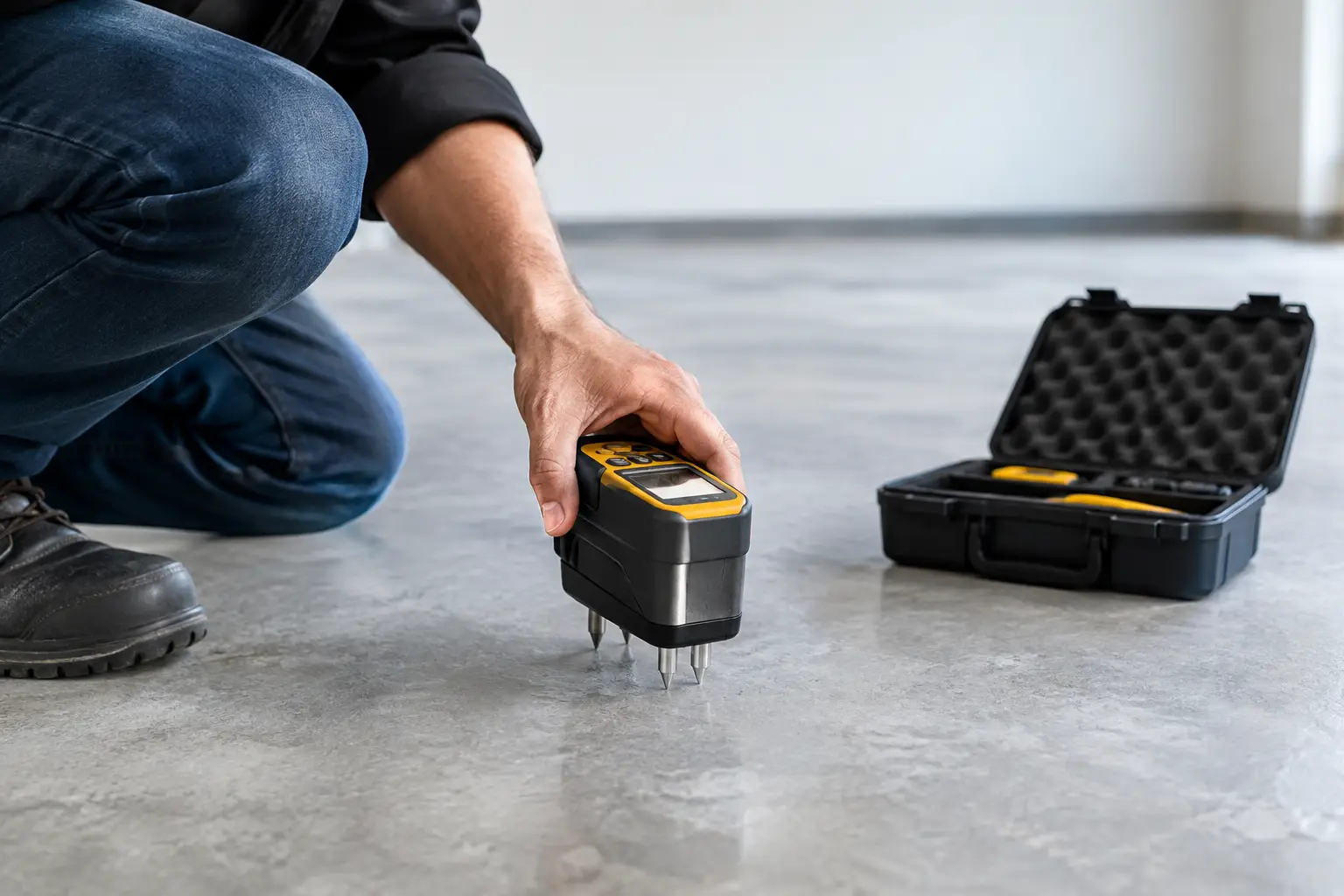
- Preparation matters more than the product. The best membrane will fail on a poorly prepared substrate. Diamond grinding, moisture testing, and primer selection are not optional steps.
- Maintenance extends system life significantly. A waterproofing system that is cleaned correctly and inspected annually will last years longer than one that is ignored between failures.
- Remediation always costs more than prevention. Based on our project data, remediation jobs average 4–6 times the cost of a correct initial installation.
If your kitchen is due for an inspection, showing early signs of moisture damage, or you simply want to know what condition your waterproofing is actually in, the right first step is a professional site assessment — not a guess.
Sydney Epoxy Flooring offers free on-site assessments across all of Greater Sydney, typically within the same week of enquiry.
Contact Sydney Epoxy Flooring Experts:
Phone: 1300 621 873
Email: info@sydepoxyflooring.com.au
Address: Unit 123/7 Hoyle Ave, Castle Hill, NSW 2154