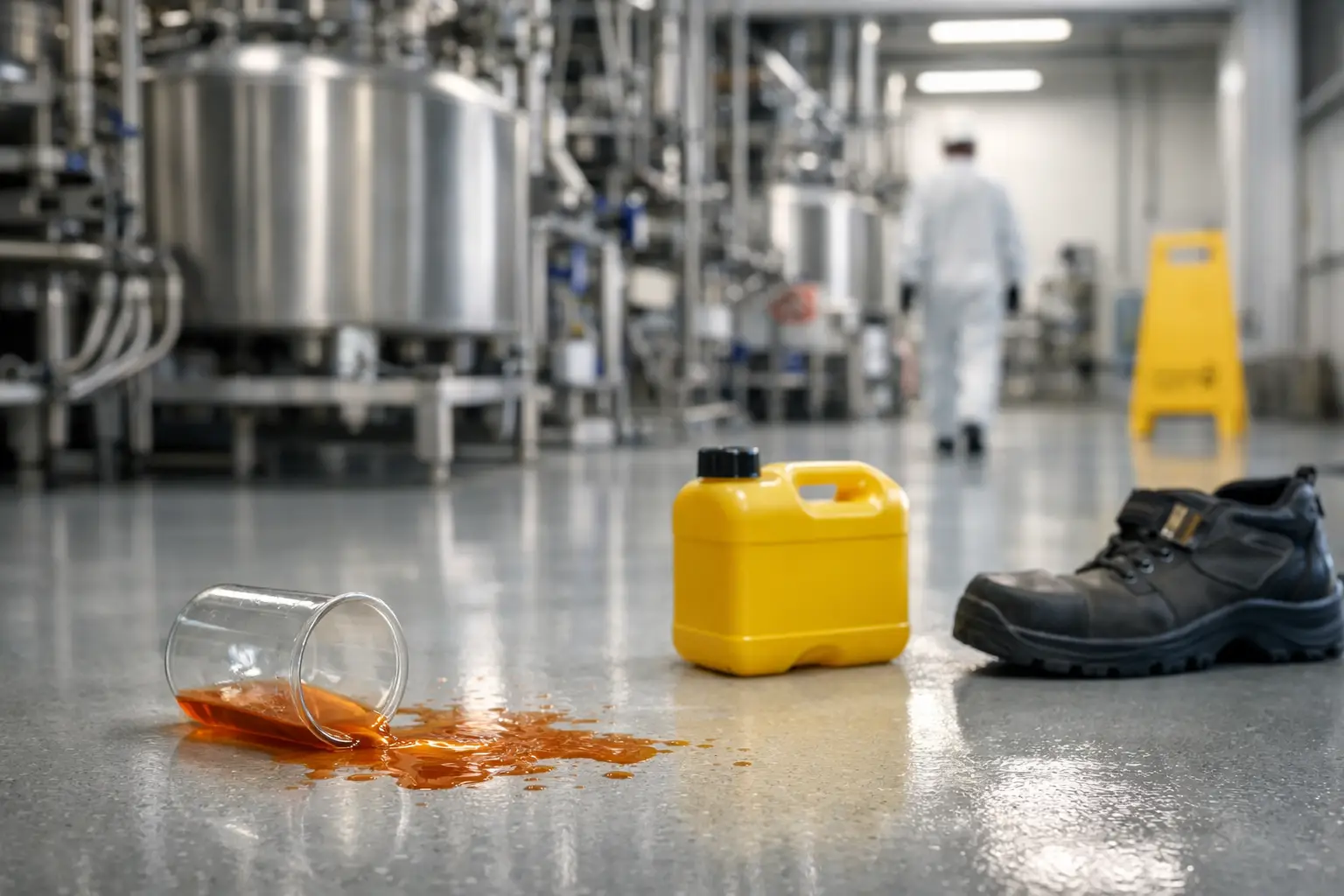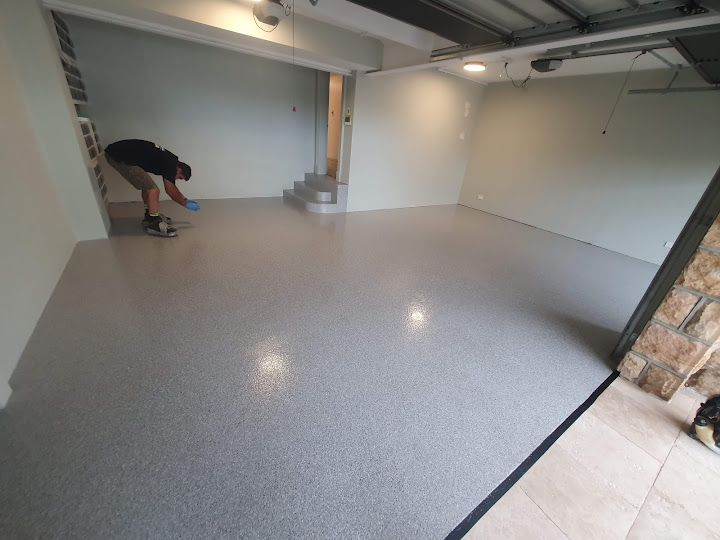
The beverage industry presents unique flooring challenges. Whether you operate a brewery, bottling plant, distribution facility, or beverage manufacturing center, your floors face relentless demands:
- Constant spills of sugar-based liquids and acids
- Chemical exposure from cleaning compounds and preservatives
- High moisture levels and condensation
- Heavy equipment and forklift traffic
- Strict hygiene and contamination standards
Traditional flooring simply can’t survive these conditions. That’s why beverage industry flooring in Sydney requires specialized solutions engineered for extreme durability, chemical resistance, and hygienic performance.
This guide explores how epoxy flooring transforms beverage facilities and why it’s the industry standard for manufacturing and processing operations across Sydney.
Challenges of the Beverage Industry Flooring
1. Chemical Exposure
Beverage facilities use numerous chemicals:
- Cleaning solvents and degreasers
- Sanitizers and disinfectants
- Acidic compounds from juices and carbonation
- Sugars and residues from beverage production
- Preservatives and additives
Traditional flooring absorbs these chemicals, leading to:
- Surface degradation and pitting
- Discoloration and staining
- Weakened structural integrity
- Costly repairs and replacements
2. Liquid Spillage
Spills are inevitable in beverage operations:
- Full containers rupture or leak
- Piping systems rupture
- Cleaning processes create flooding
- Condensation accumulates on surfaces
Without proper flooring:
- Liquids seep into concrete and subfloors
- Mold and mildew develop beneath the surface
- Structural damage occurs over time
- Contamination spreads to product areas
3. Moisture Control
High humidity and moisture are constant in beverage facilities:
- Refrigeration creates condensation
- Wash-down areas generate standing water
- Steam from processing equipment rises and condenses
- Humidity promotes bacterial growth
Porous flooring absorbs moisture, creating:
- Slippery, hazardous surfaces
- Mold and mildew growth
- Odor issues
- Structural degradation
4. Heavy Equipment Traffic
Beverage facilities operate heavy equipment:
- Forklifts and pallet jacks constantly roll across floors
- Heavy machinery vibrates continuously
- Equipment weight concentrates on small areas
- Wear patterns develop quickly
Standard flooring cracks under this stress, requiring:
- Frequent repairs and maintenance
- Operational disruptions
- Increased costs
- Safety hazards from broken surfaces
5. Hygiene and Contamination Control
Food and beverage standards require:
- Surfaces that prevent bacterial growth
- Easy sanitization and contamination control
- Seamless design eliminating contamination pathways
- Compliance with food safety regulations
Flawed flooring creates contamination risks through:
- Grout lines and seams harboring bacteria
- Porous surfaces retaining microbes
- Difficulty achieving thorough cleaning
- Regulatory violations
Why Epoxy Flooring is the Standard for the Beverage Industry
Beverage industry flooring in Sydney demands solutions that epoxy provides:
1. Superior Chemical Resistance
Epoxy flooring withstands:
- Acidic beverage residues without degradation
- Industrial cleaning chemicals without damage
- Sugars and sticky residues without staining
- Sanitizers and preservatives without reaction
The non-porous epoxy surface prevents chemical penetration, maintaining structural integrity and appearance for 10+ years.
2. Spill-Proof, Non-Porous Design
Epoxy’s seamless, non-porous surface:
- Prevents liquid absorption into concrete
- Allows easy cleanup of spills
- Stops contamination at the surface level
- Enables quick draining in wash-down areas
- Protects subfloors from water damage
Result: Spill-proof floors that maintain structural integrity and prevent hidden contamination.
3. Moisture Control
Epoxy flooring in beverage facilities:
- Prevents moisture absorption and condensation damage
- Creates a sealed barrier protecting subfloors
- Eliminates conditions favoring mold and mildew growth
- Maintains floor stability despite high humidity
- Prevents odor issues from moisture accumulation
4. Heavy-Duty Durability
Industrial-grade epoxy withstands:
- Constant forklift and heavy equipment traffic
- Vibration from processing equipment
- Temperature fluctuations from refrigeration
- Impact from dropped containers and equipment
- Years of intensive daily use
Beverage facilities report: Epoxy floors operate for 10-15 years without significant wear, compared to 3-5 years for alternative flooring.
5. Easy Sanitization
Seamless epoxy surfaces:
- Eliminate grout lines where bacteria hide
- Require only damp mopping or pressure washing for cleaning
- Support industrial-strength sanitizers without damage
- Maintain hygienic conditions easily
- Meet health department standards consistently
6. Cost-Effective Long-Term Value
While epoxy has moderate upfront costs, beverage facilities save significantly on:
- Minimal maintenance requirements
- Extended floor lifespan (10+ years vs. 3-5 years for alternatives)
- Reduced equipment damage from slippery floors
- Lower accident/injury rates
- Minimal disruption to operations
- Faster cleaning = lower labor costs
Total cost of ownership: Epoxy provides the lowest cost per year of service life.
Beverage Industry Flooring: Applications
Brewing Facilities
Challenges: Constant moisture, acidic fermentation liquids, temperature fluctuations, heavy equipment
Solution: Epoxy with moisture barrier
- Protects against acidic beer spillage
- Handles fermentation chamber humidity
- Resists equipment vibration
- Easy cleanup of grain dust and liquid residue
Bottling & Canning Plants
Challenges: High-speed equipment, liquid spills, constant wash-downs, heavy container loads
Solution: Heavy-duty epoxy with non-slip additives
- Resists impact from dropped containers
- Handles rapid processing equipment vibration
- Non-slip surface in wet conditions
- Easy to sanitize between production runs
Juice & Smoothie Facilities
Challenges: Sticky sugar residues, acidic liquids, high moisture, microbial contamination risks
Solution: Chemical-resistant epoxy with enhanced sanitation properties
- Resists sugar and acid degradation
- Prevents mold growth in high-moisture areas
- Seamless design prevents bacterial harboring
- Maintains hygiene standards for food safety
Water Treatment & Purification
Challenges: Constant water exposure, chemical treatment, high humidity, mineral deposits
Solution: Waterproof epoxy system with antimicrobial properties
- Prevents water damage to subfloors
- Resists mineral deposits and scaling
- Handles chemical treatment exposure
- Maintains hygiene despite constant moisture
Distribution & Warehousing
Challenges: Heavy forklift traffic, long-term storage of inventory, temperature control, and maintenance of product integrity
Solution: Traffic-resistant epoxy
- Withstands intense forklift operations
- Prevents liquid contamination of stored inventory
- Handles temperature fluctuations from refrigeration
- Maintains appearance after years of heavy use
The Epoxy Flooring Installation Process for Beverage Facilities
Site Assessment & Planning
- Comprehensive facility evaluation
- Identification of chemical exposure areas
- Assessment of moisture conditions
- Planning for minimal operational disruption
- Detailed scope and scheduling
Surface Preparation
- Complete removal of old flooring (if replacing)
- Deep cleaning and degreasing
- Concrete grinding to the proper profile
- Repair of cracks and structural damage
- Moisture testing to ensure readiness
Moisture Barrier Application
- Epoxy moisture barrier to protect against hydrostatic pressure
- Ensures integrity despite high-humidity environments
- Critical for beverage facilities with water exposure
Epoxy Application
- Primer coat for adhesion
- Base coat with non-slip additives (optional but recommended)
- Topcoat for final finish and protection
- Professional application ensuring seamless results
Specialized Treatments
- Additional waterproofing for drain areas
- Non-slip coatings for wash-down areas
- Anti-microbial additives for enhanced hygiene
- Custom color for organization and safety
Curing & Commissioning
- Proper curing time (typically 48-72 hours for beverage facilities)
- Final inspection and testing
- Client walkthrough and approval
- Safe return to operations
Chemical Resistance Comparison
| Chemical | Epoxy | Tile | Concrete | Vinyl |
| Acidic Beverages | Excellent | Good | Poor | Fair |
| Cleaning Solvents | Excellent | Good | Poor | Fair |
| Sanitizers | Excellent | Good | Poor | Fair |
| Sugar Residues | Excellent | Good | Poor | Fair |
| Preservatives | Excellent | Good | Poor | Fair |
| Water Resistance | Excellent | Fair | Poor | Poor |
Conclusion: Epoxy is the clear winner for chemical and moisture exposure common in beverage operations.
Best Practices: Maintaining Epoxy Flooring in Beverage Facilities
Daily Operations:
- Prompt cleanup of spills
- Regular sweeping of loose debris
- Damp mopping as needed
- Ensure proper drainage in wash-down areas
Weekly Maintenance:
- Deep clean with pH-neutral cleaner
- High-pressure wash in processing areas (if appropriate)
- Sanitization with approved cleaning compounds
- Inspect for any damage or wear
Monthly Inspection:
- Walk the entire facility, checking for wear patterns
- Inspect non-slip properties
- Look for any cracks or surface damage
- Address maintenance issues promptly
Annual Professional Service:
- Professional cleaning and assessment
- Resealing or touch-ups as needed
- Evaluation of non-slip additives
- Documentation of maintenance history
Real Beverage Operations Trusting Sydney Epoxy Flooring
Sydney Epoxy Flooring has completed flooring solutions for:
- Local breweries and craft beverage producers
- Large-scale bottling and canning operations
- Juice and smoothie manufacturing facilities
- Water treatment plants
- Beverage distribution centers
- Cold storage and refrigeration warehouses
Facility Operators Report:
- “Our flooring can now handle the acid and spill demands we put on it—no degradation after 2 years.”
- “Cleaning time cut by 40%—the non-porous surface makes sanitization so much faster.”
- “We’ve eliminated slips and falls in wet areas with the non-slip epoxy—safety has improved significantly.”
- “The seamless design means we meet all food safety audits with flying colors.”
Compliance & Safety Standards
Beverage industry flooring must support:
- Food Safety Standards Australia requirements
- WorkCover NSW safety standards
- Health Department hygiene standards
- HACCP (Hazard Analysis and Critical Control Points) compliance
- Local building codes and regulations
Epoxy flooring satisfies all compliance requirements, reducing liability and ensuring regulatory approval for operations.
Is Your Beverage Facility Ready for Epoxy Flooring?
Signs you need new flooring:
- ✓ Visible cracks, pitting, or surface degradation
- ✓ Slippery floors despite cleaning efforts
- ✓ Persistent odors despite good hygiene practices
- ✓ Mold or mildew visible in corners and edges
- ✓ Staining from spills that won’t clean
- ✓ Water seeping into or under the floor
- ✓ Increased maintenance costs and downtime
- ✓ Health inspector concerns or findings
If you recognize these issues, epoxy flooring is your solution.
Transform Your Beverage Facility with Professional Epoxy Flooring
Sydney Epoxy Flooring delivers specialized flooring solutions for beverage operations that are:
- ✓ Spill-proof and chemical-resistant
- ✓ Heavy-duty and long-lasting (10+ years)
- ✓ Easy to sanitize and maintain
- ✓ Compliant with all industry standards
- ✓ Cost-effective long-term investment
Free Beverage Facility Flooring Consultation
We’ll evaluate your beverage facility, discuss your specific flooring challenges, and propose a customized solution that keeps your operation safe, hygienic, and running efficiently.
Contact Sydney Epoxy Flooring Experts:
Phone: 1300 621 873
Email: info@sydepoxyflooring.com.au
Address: Unit 123/7 Hoyle Ave, Castle Hill, NSW 2154
Follow Us on Social Media:
Facebook
Instagram
YouTube
LinkedIn