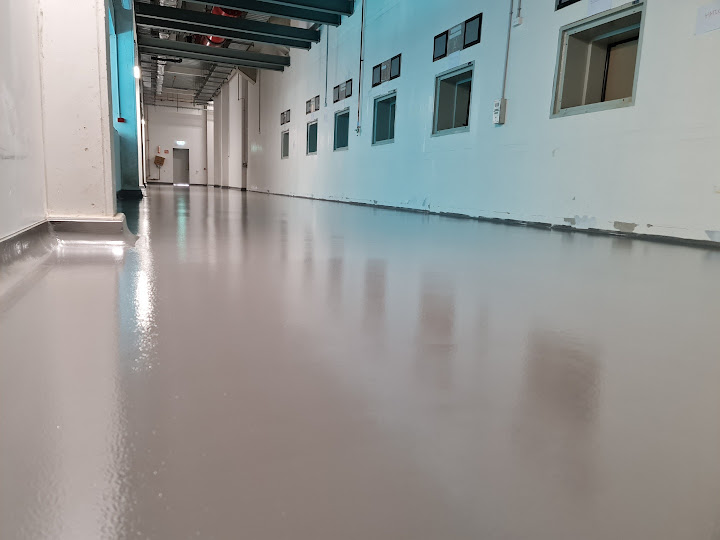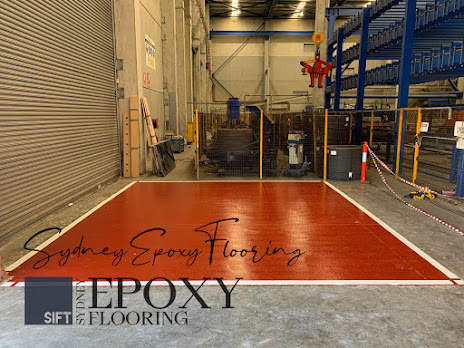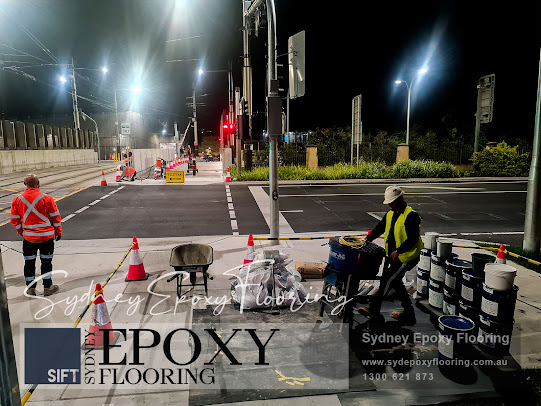
Epoxy Flooring Contractors in Sydney with 12 Years of Experience — that’s exactly what you get when you work with Sydney Epoxy Flooring. If you’ve been searching for a reliable team that knows Sydney’s climate, substrate conditions, and industry standards inside out, you’re in the right place. Choosing the wrong contractor means cracked coatings, peeling surfaces, and wasted money. This blog helps you understand what to look for, what problems to avoid, and why experience truly matters.
Whether you’re a homeowner wanting a flawless garage floor or a facility manager overseeing a large warehouse, the stakes are high. Poor floor preparation alone accounts for over 80% of epoxy failures, according to industry data referenced by Safe Work Australia. This guide covers the most common problems people face, how to solve them, and how our epoxy flooring services in Sydney can deliver results that last.
The Environmental Side of Epoxy Flooring
Environmental awareness is an increasingly important factor in building and renovation decisions. Epoxy flooring, like all construction materials, has an environmental footprint — but modern formulations and responsible installation practices have reduced that footprint considerably. Here’s what you should know.
VOC Content and Indoor Air Quality
Traditional solvent-based epoxy systems contain significant levels of volatile organic compounds (VOCs). When applied, these compounds evaporate into the air and can cause respiratory irritation, headaches, and in high concentrations, longer-term health effects. They also contribute to outdoor air pollution.
Modern water-based and low-VOC epoxy formulations have substantially reduced these emissions without compromising performance for most residential and commercial applications. For spaces that are occupied during or shortly after installation — schools, aged care facilities, healthcare environments — specifying low-VOC systems is strongly advisable.
Industrial solvent-based systems are still used where performance demands require them, but application protocols, including ventilation, PPE, and curing periods before reoccupation, mitigate the associated risks.
Longevity as an Environmental Benefit
One of the less-discussed environmental advantages of a high-quality epoxy floor is its longevity. A professionally installed epoxy system that lasts 15–20 years means fewer replacement cycles, less material consumption, and less construction waste compared to floor coverings that require replacement every 5–10 years. Carpet, vinyl, and tile all require periodic replacement. Epoxy over concrete adds a durable, cleanable layer that substantially extends the floor’s useful life.
Sustainability of the Concrete Substrate
Epoxy flooring applied directly over a concrete slab avoids the need for additional materials such as adhesives, underlays, or synthetic floor coverings. Some epoxy systems also contribute to energy efficiency: high-gloss floor coatings reflect light more effectively than matte or dark surfaces, reducing the artificial lighting load in warehouses, factories, and commercial spaces.
Responsible Disposal and Waste Minimisation
Epoxy products, including mixing containers and application rollers, require responsible disposal as chemical waste. Reputable contractors use correctly sized material quantities to minimise waste, dispose of packaging through appropriate channels, and avoid releasing uncured epoxy material into drains or stormwater systems — a requirement under New South Wales EPA guidelines. When selecting a contractor, it is reasonable to ask about their waste handling procedures, particularly for larger commercial projects.
How Sydney’s Climate Affects Epoxy Flooring
Sydney’s climate is among the most varied in Australia — and that variation directly impacts how epoxy flooring performs. Understanding these environmental factors helps you make better decisions about which system to choose and how to maintain it long-term. This applies whether you’re in the inner city, the coastal suburbs, or Greater Western Sydney.
Humidity and Moisture Vapour
Sydney’s coastal humidity — particularly in suburbs like Bondi, Manly, and Cronulla — creates elevated moisture levels in both the air and the ground. Concrete slabs in these areas often have higher moisture vapour transmission (MVT) rates, which is the primary cause of epoxy delamination if not properly managed during installation.
In practical terms, this means that moisture testing is non-negotiable in Sydney’s coastal zones. A slab that reads safe in winter may test significantly higher in summer when humidity peaks. Professional contractors test across seasons or account for seasonal variance in their assessment.
UV Exposure and Outdoor Applications
Sydney receives over 2,600 hours of sunshine per year — one of the highest among Australia’s major cities. Standard epoxy systems are not UV stable. In outdoor applications such as patios, pool surrounds, driveways, and walkways, an untreated epoxy will yellow, chalk, and degrade significantly within 12 to 24 months.
For any outdoor or sun-exposed surface, UV-stabilised polyurethane topcoats or UV-resistant outdoor epoxy formulations are essential. These systems maintain colour, gloss, and surface integrity despite prolonged sun exposure.
Thermal Expansion in Western Sydney
In suburbs like Penrith, Campbelltown, and Blacktown, summer temperatures regularly exceed 40°C. Concrete slabs expand and contract with these temperature swings, placing stress on any bonded coating. A rigid epoxy system that lacks flexibility can develop hairline cracks or begin to delaminate at the edges.
In high-temperature inland locations, flexible polyurethane or polyaspartic topcoats are often specified over the base epoxy to accommodate thermal movement without compromising the coating’s integrity.
Salt Air in Coastal Areas
Properties within 1–2 kilometres of the coast are subject to salt-laden air, which accelerates concrete carbonation and can compromise the adhesion of certain epoxy primers. In these environments, contractors should use penetrating primers that seal the concrete surface before coating application, and marine-grade topcoats where applicable.
Epoxy Flooring Contractors: Common Problems People Face
Hiring Epoxy Flooring Contractors Without Verified Experience
Many people choose the cheapest quote without checking how long the contractor has been operating. The result? Bubbling, delamination, or an uneven finish within months.
Why it happens: Inexperienced contractors often skip critical surface preparation steps — diamond grinding, moisture testing, or crack repair — to save time and cut costs.
Solution: Always ask how many years and how many projects a contractor has completed. Epoxy Flooring Contractors in Sydney with 12 Years of Experience, like our team, have delivered 2,000+ projects across residential, commercial, and industrial sites throughout Greater Sydney.
Why this works: Years in the field mean your contractor has seen edge cases, moisture issues, and substrate challenges that a newcomer simply hasn’t encountered. That experience directly protects your investment.
Epoxy Floors Peeling or Bubbling After Installation
You invest in a new garage or workshop floor, and within six months, it’s peeling at the edges or bubbling in the middle.
Why it happens: Moisture vapour transmission through concrete is the number one cause. If the slab isn’t tested and primed correctly, moisture pressure lifts the coating from below — no matter how good the product is.
Solution: Professional epoxy flooring contractors perform moisture testing before any application. Our process includes a full site inspection, moisture barrier application where needed, and use of premium-grade epoxy resins and hardeners.
Why this works: Addressing moisture at the preparation stage — not after the coating is down — means the bond between concrete and epoxy holds for years, not months.
Choosing the Wrong Epoxy System for the Application
A decorative flake system looks great in a garage. But put it in a commercial kitchen or hospital, and it won’t last six months under chemical exposure and constant cleaning.
Why it happens: Homeowners and facility managers often select a system based on appearance rather than performance requirements. Not every contractor explains the difference.
Solution: Match the system to the environment. Industrial settings need chemical-resistant polyurethane cement or heavy-duty epoxy. Healthcare facilities require hygienic, seamless coatings. Decorative finishes suit showrooms and garages.
Why this works: The right system installed correctly outlasts the wrong system maintained perfectly. Our team guides every client through a structured consultation before recommending a single product.
Poor Line Marking Causing Safety and Compliance Issues
Warehouses and factories that skip professional line marking create unsafe pedestrian and forklift zones — a direct WHS compliance risk that can result in fines or workplace injuries.
Why it happens: DIY line marking fades fast, lacks the correct colour codes, and doesn’t meet Australian workplace safety standards.
Solution: Use professional epoxy-based line marking systems that are durable, clearly defined, and compliant. Our line marking services are designed specifically for industrial floor safety and navigation.
Why this works: Epoxy line markings bond to the floor surface rather than sitting on top. They resist tyre abrasion, chemical exposure, and heavy traffic — staying visible far longer than any paint-based alternative.
Comparing Epoxy Flooring Systems: Which One Is Right for You?
| System | Best For | Durability | Chemical Resistance | Slip Resistance |
| Standard Epoxy | Garages, showrooms | High | Moderate | Optional |
| Polyurethane Cement | Commercial kitchens, food processing | Very High | Excellent | Built-in |
| Decorative Flake | Residential, retail | High | Moderate | Good |
| Metallic / Marble Epoxy | Showrooms, feature floors | High | Moderate | Optional |
| UV-Resistant Outdoor Epoxy | Patios, pool decks, walkways | High | Good | Excellent |
| Line Marking Systems | Warehouses, factories | Very High | Good | N/A |
DIY vs Professional Epoxy Installation: An Honest Comparison
Walk into any hardware store, and you’ll find epoxy floor kits marketed as “easy to apply” with results that look professional. For some applications, DIY is a viable option. For most, it isn’t. Here’s an objective look at what each approach involves, so you can make the right call for your situation.
What DIY Epoxy Kits Can and Can’t Do
Consumer-grade epoxy kits are water-based or thin solvent-based coatings — not the same chemistry as industrial-grade two-part epoxy systems. They are designed for light residential use, typically in garages with low vehicle traffic, and under ideal conditions.
DIY kits can work reasonably well on small, clean, dry, and relatively new concrete slabs where the existing surface has no moisture issues, cracks, or contamination. The results are cosmetic rather than structural.
Where DIY kits consistently underperform: on older slabs with any moisture presence, on previously painted or sealed surfaces, in commercial or industrial environments, and in any area exposed to chemicals, thermal shock, or heavy wheeled traffic.
The Surface Preparation Gap
The most significant difference between a DIY and professional installation isn’t the product — it’s the preparation. Diamond grinding, which opens the concrete’s pores and creates the mechanical profile necessary for proper adhesion, requires commercial-grade equipment that is neither practical nor economical to hire for a one-off job.
Most DIY guides recommend acid etching as an alternative. Acid etching can work on clean, uncontaminated slabs, but it is inconsistent, doesn’t remove surface laitance as effectively as grinding, and can leave residue that interferes with bonding. The result is a coating that may look fine initially but typically begins to peel within 12–24 months.
The relevant comparison isn’t the upfront cost — it’s the total cost over time. A professionally installed epoxy system, properly prepared and applied, typically lasts 10–20 years. A DIY kit that requires recoating or full removal and replacement within 2–3 years often costs more in the long run, particularly when you factor in the labour of removing a failed coating before the next application.
When DIY Makes Sense
DIY is a reasonable choice when the area is small (under 20 square metres), the slab is new or in near-perfect condition, the application is purely decorative with minimal traffic, and the budget genuinely cannot accommodate professional installation. In these cases, a quality DIY product applied carefully can give acceptable results.
When Professional Installation Is the Right Call
Professional installation is the correct choice when any of the following apply: the slab is older than five years, there is a history of moisture or dampness, the space is used for vehicles or machinery, the floor needs to meet WHS or food-safety compliance standards, or the investment in the space justifies a coating that will last for a decade or more.
Epoxy Flooring Glossary: Key Terms Explained
Epoxy flooring involves a range of technical terms that contractors use regularly but don’t always explain. This glossary gives you the plain-English definitions you need to have informed conversations, ask the right questions, and understand what’s being proposed for your project.
| Term | Plain-English Definition |
|---|---|
| MVT (Moisture Vapour Transmission) | Water vapour moving through concrete. High MVT can cause epoxy to lift if not sealed properly. |
| Diamond Grinding | Mechanical surface prep that roughens concrete for strong epoxy bonding. |
| Delamination | When epoxy separates from the concrete, often due to moisture or poor prep. |
| Substrate | The concrete base on which the epoxy is applied. Its condition affects durability. |
| Polyurethane Cement (PU Cement) | Heavy-duty flooring system suited to moisture, heat, and chemical exposure. |
| Primer Coat | The first layer that bonds epoxy to the concrete. |
| Top Coat / Sealer | The final layer provides protection, gloss, and slip resistance. |
| VOC (Volatile Organic Compounds) | Evaporating chemicals that can affect air quality; low-VOC systems are safer indoors. |
| Non-Slip Aggregate | Grit added to improve traction and reduce slip risk. |
| WHS (Work Health and Safety) | Australian workplace safety regulations affecting flooring requirements. |
| AS/NZS Standards | Construction standards that flooring systems must meet in certain industries. |
| Curing Time | The time epoxy needs to fully harden before use. |
Why Choose Our Epoxy Flooring Contractors in Sydney
Sydney Epoxy Flooring isn’t a new name in this industry. As established epoxy flooring contractors in Sydney, we’ve spent 12 years building a team of 120 skilled professionals, completing 2,000+ projects, and earning 137+ verified Google Reviews. Here’s how we work.
Our Step-by-Step Process
Free Consultation: We start with a no-obligation conversation to understand your space, goals, and budget. No pressure, no generic quotes.
Site Inspection & Assessment: Our team visits your property to assess the substrate, measure moisture levels, identify existing damage, and document requirements before a single number is quoted.
Customised Proposal: You receive a detailed, transparent quote with a full cost breakdown — no hidden fees, no vague line items.
Surface Preparation: Diamond grinding, crack repair, and priming are completed to manufacturer and industry standards. This is where most contractors cut corners. We don’t.
Application & Final Inspection: The chosen system is applied in controlled layers, cured correctly, and inspected before handover. The job isn’t done until you’re satisfied.
HIGHLIGHT BOX:
- 12 Years of Experience in the Sydney market
- 2,000+ Projects Completed — residential, commercial, and industrial
- 120 Skilled Professionals across all flooring disciplines
- 700+ Happy Clients | 137+ Verified Google Reviews
- Service Area: Castle Hill, Parramatta, Penrith, Liverpool, Blacktown, Chatswood, North Sydney, Eastern Suburbs, Inner West, and all of Greater Western Sydney
WARNING BOX: Never hire an epoxy contractor who skips a site inspection or sends a quote without visiting your property. Accurate surface assessment is non-negotiable for a lasting result. A quote without a site visit is a guess, not a commitment.
PRO TIPS BOX:
- Ask for a moisture vapour transmission (MVT) test result before sign-off
- Request references from projects similar to yours — garage, warehouse, or commercial kitchen
- Confirm that non-slip, industrial-grade coatings meeting Australian Standards will be used
- Ask whether the epoxy system includes UV stabilisers for any outdoor areas
Trust Factors
- 137+ verified Google Reviews with consistent 5-star ratings
- 120 skilled professionals with specialised training in the latest techniques
- Premium-grade epoxy resins and hardeners from top-tier suppliers
- Fully structured process from consultation to final inspection
- Active Sydney business for over 12 years — not a pop-up operator
- Contact: 1300 621 873 | info@sydepoxyflooring.com.au | Unit 123/7 Hoyle Ave, Castle Hill NSW 2154
Professional Expertise You Can Verify
Our team has handled everything from simple residential garage floors to large-scale warehouse coatings for industrial clients across Greater Sydney. Our professionals are trained in the latest application techniques, moisture management systems, and decorative finishes — and that knowledge is updated continuously as materials and methods evolve.
We publish practical industry content on warehouse safety flooring, commercial kitchen hygiene standards, and epoxy maintenance tips — reflecting real knowledge built over 12 years, not recycled generic content. Our completed work is verified and visible across LinkedIn, Instagram, Facebook, and YouTube.
Client feedback is consistent and specific. Harsh S. noted the whole team was a pleasure to deal with — professional and easy to work with. Nisha Mathew described the service as extremely satisfying, crediting team members Grace and Amir for their patience and expertise. Prashant Maheshwari praised the guidance provided in selecting the right system for his needs. These aren’t outlier reviews — they reflect the standard across 137 verified Google ratings.
We partner exclusively with top-tier material suppliers to ensure every application meets performance expectations. No cheap substitutes. No shortcuts. Ever.
Frequently Asked Questions (FAQ)
Q1: What do epoxy flooring contractors in Sydney typically charge?
Pricing varies based on floor size, condition, and system type. Sydney Epoxy Flooring provides a full written quote after a free site inspection — no hidden costs, no surprises.
Q2: How long does an epoxy floor last when installed by experienced epoxy flooring contractors?
A professionally installed epoxy floor typically lasts 10–20 years with basic maintenance. Surface preparation quality is the single biggest factor in longevity.
Q3: Can epoxy flooring contractors apply epoxy over existing tiles in Sydney homes?
Yes. Epoxy can be applied directly over existing tiles in many cases, saving the cost and disruption of full tile removal. A site assessment confirms suitability.
Q4: Do Sydney epoxy flooring contractors offer non-slip coating options?
Yes. We use industrial-grade, non-slip coatings on all applicable surfaces — particularly in kitchens, workshops, pool surrounds, and outdoor areas.
Q5: How long does installation take for a typical epoxy flooring project in Sydney?
Most residential projects are completed in 1–3 days. Larger industrial floors may take longer depending on scope, system type, and curing requirements.
Q6: Are epoxy flooring systems installed by Sydney contractors safe for healthcare and food facilities?
Yes. Seamless, hygienic epoxy coatings are widely used in hospitals, clinics, commercial kitchens, and food processing environments for their easy-clean, bacteria-resistant properties.
Q7: What is the difference between epoxy flooring and polyurethane cement systems?
Epoxy works well for most applications. Polyurethane cement is preferred where thermal shock, heavy chemical exposure, or high-moisture environments are a factor — such as commercial kitchens and food plants.
Q8: Do epoxy flooring contractors in Sydney handle outdoor and UV-exposed surfaces?
Yes. We use UV-resistant outdoor epoxy formulations suitable for patios, pool decks, driveways, and walkways across Sydney’s varied climate zones.
Q9: What surface preparation do professional epoxy contractors perform before installation?
Our preparation includes diamond grinding, moisture testing, crack repair, and priming — the steps that determine whether a floor performs for a decade or fails within a year. See the full process at sydepoxyflooring.com.au.
Q10: How do I book a consultation with epoxy flooring contractors in Sydney?
Call 1300 621 873 or email info@sydepoxyflooring.com.au. We offer free consultations and on-site assessments with no obligation.
Thinking About Upgrading Your Floor?
Not all epoxy floors are created equal — and the difference usually isn’t visible on day one. It shows up months later in the form of peeling edges, bubbling surfaces, or coatings that simply don’t hold up to Sydney’s humidity and heat.
If you’re exploring epoxy flooring options, it helps to start with the right information:
- Is your concrete slab properly tested for moisture?
- Is the system suited to your specific space, garage, warehouse, kitchen, or outdoor area?
- Has the contractor assessed the site in person?
A well-installed epoxy floor should feel seamless, look sharp, and perform reliably for years with minimal maintenance. That outcome begins with careful inspection, correct preparation, and selecting the right system — not just choosing a colour.
If you’d like clarity on what would work best for your space, you’re welcome to arrange a no-obligation site assessment. It’s simply a practical way to understand your options, your slab condition, and what’s realistically achievable.
Contact Sydney Epoxy Flooring Experts:
Phone: 1300 621 873
Email: info@sydepoxyflooring.com.au
Address: Unit 123/7 Hoyle Ave, Castle Hill, NSW 2154