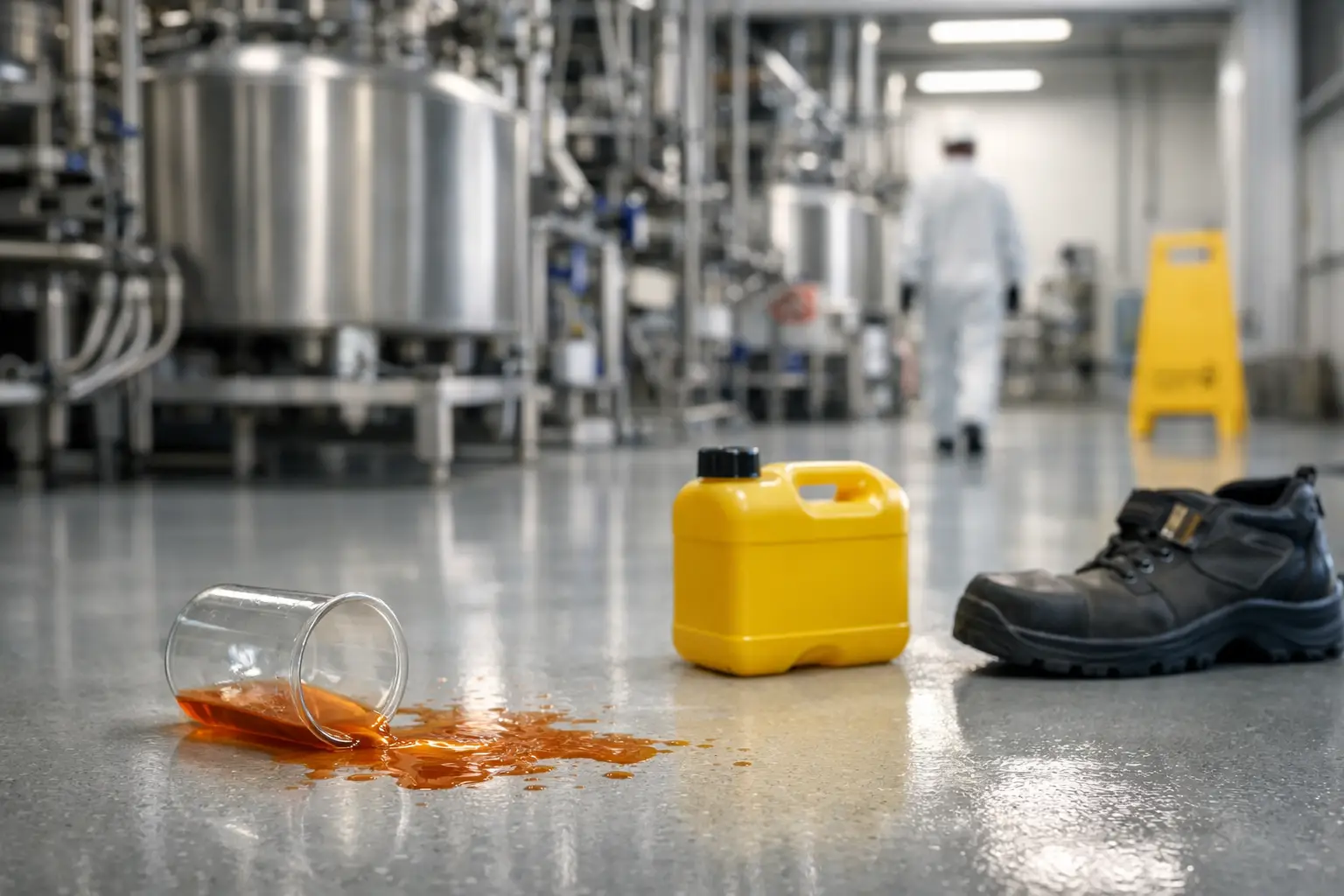
Commercial Kitchen Waterproofing Services in Sydney have become a critical investment for restaurant owners, hotel managers, and food-service operators in 2026. If you run a busy kitchen, water damage isn’t a matter of if — it’s a matter of when. Grease, steam, cleaning chemicals, and constant spills attack your floors, walls, and drains every single day. Without proper waterproofing, you’re looking at mould growth, structural damage, hygiene violations, and expensive emergency repairs. This guide covers everything you need to know: why it matters, what to design for, how much it costs, and how to choose the right provider in Sydney.
According to Food Standards Australia New Zealand (FSANZ) at foodstandards.gov.au, commercial kitchens must maintain surfaces that are impervious to moisture to comply with food safety standards. Non-compliance can lead to on-the-spot fines or business closure. Whether you’re building a new kitchen or refurbishing an existing one, this guide is for you.
See our full Waterproofing Services page for a complete overview of what’s covered.
Who Will Benefit From This Guide? Restaurant owners, café managers, hotel kitchen operators, food manufacturers, and property developers in Sydney who need compliant, long-lasting waterproofing for commercial kitchen environments.
The Scale of Water Damage in Australian Commercial Kitchens
Water damage is one of the most underreported operational risks in the Australian food service industry — not because it is rare, but because its early stages are invisible.
The Insurance Council of Australia consistently identifies water damage as one of the top three causes of commercial property insurance claims. In food service environments specifically, the combination of constant moisture, thermal cycling, aggressive cleaning chemicals, and heavy foot traffic creates conditions that accelerate substrate deterioration faster than almost any other commercial setting.
What makes commercial kitchen water damage particularly costly is its compounding nature. A small breach in a floor membrane near a drain allows water to penetrate the concrete substrate over weeks or months. By the time visible signs appear — cracking tiles, efflorescence, persistent odours, or mould growth at wall junctions — the water has typically already migrated well beyond the visible damage zone. The remediation scope then extends far beyond what a surface inspection would suggest.
The Australian food service industry must comply with strict hygiene obligations under FSANZ Standard 3.2.3, which requires food premises surfaces to be impervious, smooth, and easy to clean effectively. When water damage compromises these surface properties, businesses face not only structural repair costs but also potential enforcement action under state food safety legislation — a dual financial risk that professional waterproofing from the outset helps prevent.
Commercial Kitchen Waterproofing Services: Common Problems People Face
Why Is Waterproofing Important for Commercial Kitchens in Sydney?
Commercial kitchens in Sydney generate enormous amounts of moisture — from steam, spills, cleaning, and drainage. Without proper commercial kitchen waterproofing services, water seeps into concrete substrates, causing structural decay, mould colonies, and dangerous slip hazards. Sydney’s climate also involves humidity fluctuations that accelerate moisture ingress.
This happens because most standard floor coatings are not designed for continuous wet exposure. The solution is a multi-layer waterproofing system — starting with a vapour-retarding primer, followed by a reinforcing membrane, and topped with a durable finish coat. This layered approach creates a seamless barrier that water simply cannot penetrate. Sydney Epoxy Flooring has applied this exact system in 2,000+ projects across Sydney, and it consistently outperforms single-coat alternatives.
Which design factors should you consider before waterproofing a commercial kitchen?
Many kitchen operators start a waterproofing project without a proper design plan, then face costly rework. Key design factors include placing drains correctly and ensuring floors slope at least 1:100 toward them, repairing cracked or uneven concrete with two-pack epoxy mortar before waterproofing, and specifying different membranes for each zone, such as cool rooms, steam areas, and prep areas.
Poor planning leads to pooling water, delaminating coatings, and failed health inspections. The right approach starts with a site inspection and a customised proposal. Sydney Epoxy Flooring provides a free on-site assessment before any work begins, mapping every vulnerable zone and recommending the right system for each area. This upfront investment in planning saves significant money during the project lifecycle.
How Much Does Commercial Kitchen Waterproofing Typically Cost in Sydney?
Cost is the number one question — and the answer depends on kitchen size, substrate condition, and scope of areas to be waterproofed. Most Sydney operators are surprised to learn that professional commercial kitchen waterproofing services are more affordable than emergency repairs after water damage occurs.
A typical kitchen floor waterproofing project depends on the size of the space, surface condition, and overall complexity. Full kitchen packages can include floor and wall waterproofing, drain detailing, cool room areas, and even integrated countertop solutions where required. Sydney Epoxy Flooring provides transparent, itemised quotes — so you know exactly what’s included, with no hidden charges.
What Areas of a Commercial Kitchen Require Waterproof Protection?
A common mistake is waterproofing only the floor and ignoring other high-risk zones. Every area that contacts water — directly or through steam — needs protection. This includes kitchen floors, sink surrounds and drain channels, cool rooms and refrigeration areas, grease traps, food prep countertops, wall splashbacks, steam cooking zones, and dry storage pantries where condensation builds.
Missing even one of these zones creates a weak link. Water finds the path of least resistance — and it will find any unprotected join or penetration. Sydney Epoxy Flooring’s commercial kitchen waterproofing services cover all these zones comprehensively, using the appropriate system for each surface type.
How Can Professional Waterproofing Reduce Long-Term Repair Costs?
Operators who invest in professional commercial kitchen waterproofing services upfront typically save 3–5x in avoided repair costs over 10 years. Water damage to commercial kitchens leads to tile replacement, concrete remediation, equipment corrosion, mould remediation, and regulatory fines — all of which dwarf the cost of proper waterproofing.
A professional application also ensures the system bonds correctly to the substrate. DIY or low-grade applications frequently fail at joins, corners, and penetrations — exactly the spots under the most stress. With 12 years of Sydney experience and 2,000+ completed projects, Sydney Epoxy Flooring brings the expertise needed to get it right the first time.
Pro Tip: The most cost-effective time to waterproof your commercial kitchen is during a scheduled renovation. Combining waterproofing with flooring or equipment upgrades minimises downtime and reduces mobilisation costs significantly.
Understanding Waterproofing Systems: What the Different Products Actually Do
The waterproofing industry uses terminology that can be confusing for operators who are not familiar with the materials involved. Understanding what each product category does — and where it is appropriate — helps you evaluate proposals from contractors and make better decisions.
Liquid-applied membranes
Technicians widely use liquid-applied membranes as the main waterproofing system in Australian commercial kitchens. They apply the membranes as a liquid, which then cures to form a continuous, seamless film over the substrate. Because there are no joins or overlapping sheets, there are fewer potential failure points.
Within this category, two-component systems, where a resin and hardener are mixed on-site immediately before application, offer significantly better performance than single-component products. Two-component membranes achieve higher elongation at break (meaning they can flex with minor substrate movement without cracking), better adhesion strength, and faster return-to-service times.
Epoxy-based waterproofing
Epoxy systems offer exceptional chemical resistance and hardness, making them appropriate for areas exposed to cleaning chemicals, cooking oils, and food acids. They are typically used for floor surfaces, countertops, and areas where abrasion resistance is as important as moisture exclusion.
Epoxy systems are less forgiving of substrate movement than polyurethane-based systems. In areas subject to significant thermal cycling, such as cool rooms, where temperatures swing between ambient and sub-zero — a more flexible system is generally preferred.
Polyurethane cement (PU cement)
Polyurethane cement is a hybrid system combining the strength of cement with the flexibility of polyurethane chemistry. It is the system of choice for extreme thermal environments, including commercial cool rooms, blast chillers, and high-heat cooking zones. Its key advantage is elongation — it can accommodate substrate movement that would crack a rigid epoxy system.
Cementitious waterproofing
Cementitious systems use crystalline waterproofing compounds mixed with water to form a slurry, which technicians brush onto the substrate. Professionals primarily apply them as a remedial treatment on existing concrete structures, not as a standalone system for commercial kitchen floors. Sometimes, they use these systems as a primer layer beneath a membrane system.
Why the choice of system matters
A waterproofing contractor proposing a single system across an entire commercial kitchen — regardless of the conditions in different zones — is either not differentiating their specification or is fitting your kitchen to their preferred product rather than the other way around. A properly designed waterproofing system for a commercial kitchen will typically involve at least two different product specifications, matched to the conditions in each zone.
Why Choose Our Commercial Kitchen Waterproofing Services
Sydney Epoxy Flooring has been Sydney’s trusted provider of commercial kitchen waterproofing services for over 12 years. Based in Castle Hill and servicing all of Greater Sydney — including the CBD, Inner West, Eastern Suburbs, Hills District, Parramatta, North Shore, and South Sydney — our team of 120 skilled professionals has completed more than 2,000 projects for restaurants, hotels, aged care facilities, food manufacturers, and commercial buildings.
Our commercial kitchen waterproofing services follow a fully structured 5-step process:
- Initial Consultation & Free On-Site Assessment – We visit your site, assess all risk zones, and identify existing damage.
- Surface Preparation – Diamond grinding removes old coatings; cracks and imperfections are repaired with two-pack epoxy mortar.
- Primer Application – A two-component waterborne epoxy primer acts as a vapour retarder, optimising membrane adhesion on porous substrates.
- Membrane Installation – Two-component liquid-applied membranes are installed in reinforcing and finish coats for flexibility, fast-drying performance, and low odour.
- Curing & Final Inspection – Full cure is verified before handover, ensuring compliance and long-term performance.
We service all Sydney areas, including the CBD, Parramatta, Hills District, Inner West, Eastern Suburbs, North Shore, South Sydney, and Western Sydney. Our commercial kitchen waterproofing services are available for hospitality, healthcare, food manufacturing, retail food, and aged care sectors.
Why Clients Choose Sydney Epoxy Flooring
Sydney Epoxy Flooring has operated for over 12 years and has grown to a team of 120 specialists. Our technicians use the latest waterproofing techniques, including liquid-applied membrane systems, substrate assessment, and applying AS 3740 principles in commercial environments.
We hold 137+ verified Google Reviews with consistent 5-star ratings, reviewers frequently cite professionalism, punctuality, and quality workmanship. Owner Austin leads the team personally on major projects, which is why clients consistently recommend him and his team by name.
Every project starts with a detailed, itemised proposal. You know exactly what you’re paying for before work begins. Our partnerships with top-tier waterproofing material suppliers — including two-component waterborne epoxy and liquid membrane systems, ensure every installation meets or exceeds industry standards.
Frequently Asked Questions (FAQ)
Q1: What are Commercial Kitchen Waterproofing Services exactly?
These are professional services that apply moisture barriers, including membranes, primers, and coatings, to all vulnerable surfaces in a commercial kitchen to prevent water damage and ensure hygiene compliance.
Q2: Are Commercial Kitchen Waterproofing Services required by law in Sydney?
Yes. FSANZ food safety standards require that kitchen surfaces be impervious to water. Sydney councils also enforce building codes requiring waterproofing in wet commercial areas. Non-compliant kitchens risk fines and closure.
Q3: How long does commercial kitchen waterproofing take?
A standard kitchen floor typically takes 1–3 days including curing time. Full kitchen packages covering multiple zones may take 3–5 days. Sydney Epoxy Flooring works to minimize your operational downtime.
Q4: Can you waterproof over existing tiles in a commercial kitchen?
Yes. Sydney Epoxy Flooring can apply epoxy-based waterproofing systems over existing tiles, saving you the cost and downtime of full tile removal. The substrate is assessed first to confirm suitability.
Q4: How often should you renew commercial kitchen waterproofing services?
A professionally installed system typically lasts 10–15 years with proper maintenance. Annual inspections are recommended to check joins, drains, and high-traffic zones for early signs of wear.
Q6: What’s the difference between epoxy and polyurethane cement waterproofing for commercial kitchens?
Epoxy is ideal for dry to moderately wet areas with chemical resistance needs. Polyurethane cement suits extreme thermal cycling in cool rooms and high-heat cooking zones because it flexes without cracking.
Q7: Do commercial kitchen waterproofing services cover cool rooms?
Yes. Cool rooms require specialist two-component membrane systems that handle temperature fluctuations without delaminating. Sydney Epoxy Flooring includes cool room waterproofing in full-kitchen packages.
Q8: Does your team hold a license for commercial kitchen waterproofing in NSW?
Yes. Our team of 120 professionals is trained in commercial waterproofing applications and complies with relevant Australian Standards. We operate with full insurance and provide documented project records for compliance purposes.
Q9: How can I start using your commercial kitchen waterproofing services in Sydney?
Call 1300 621 873 or email info@sydepoxyflooring.com.au to book your free on-site assessment. We service all Sydney metro areas and provide a detailed proposal within 48 hours of the site visit.
Book a Commercial Kitchen Waterproofing Assessment
If you’re planning a new kitchen, upgrading an existing space, or reviewing compliance requirements, a proper site assessment is the logical first step.
Sydney Epoxy Flooring provides structured on-site evaluations across Greater Sydney. The goal is straightforward: we assess moisture risk areas, review current surface conditions, and outline what you need to meet food safety and building compliance standards.
Contact Sydney Epoxy Flooring Experts:
Phone: 1300 621 873
Email: info@sydepoxyflooring.com.au
Address: Unit 123/7 Hoyle Ave, Castle Hill, NSW 2154