A glossy resin floor can look slippery before anyone has stepped on it. That visual impression is understandable, but it is not a reliable safety assessment. Are resin floors slippery? They can be if the system is specified as a smooth finish for an environment where water, oil, food residue, dust, or frequent foot traffic is present. Properly designed resin flooring, however, can deliver dependable traction while retaining the durability, hygiene, and easy-clean benefits that make it popular in garages, warehouses, kitchens, workshops, and commercial spaces.
The key is to treat slip resistance as a performance requirement, not an add-on selected at the end of the project. The right resin system considers how the area is used, what may land on the floor, how it will be cleaned, and the type of footwear or vehicle traffic it receives.
Why Resin Floors Can Feel Slippery
Resin floors such as epoxy, polyurethane, and MMA create a continuous, non-porous surface. In a smooth gloss finish, that surface may have limited texture for shoes or tires to grip. When it is dry and clean, a smooth resin floor can still perform well in many low-risk settings, including showrooms, residential interiors, and lightly used storage areas.
Conditions change when contaminants enter the picture. Water can form a thin film between footwear and the coating. Oil, grease, soap, food spills, fine dust, and cleaning chemicals can reduce traction further. A warehouse entry exposed to rain, a commercial kitchen near a wash-down area, and a workshop bay with oil drips do not need the same finish as a dry office corridor.
Gloss is also often confused with slipperiness. A high-gloss floor reflects light, which can make it appear slick, but gloss alone does not determine its grip. Surface profile, aggregate selection, contamination, maintenance, drainage, and footwear all have a greater effect on real-world slip performance.
Are Resin Floors Slippery When Wet?
Any flooring material becomes more hazardous when wet, especially if it has been designed with a very smooth finish. Resin is not an exception. The practical question is whether the floor has enough texture and drainage for its expected wet conditions.
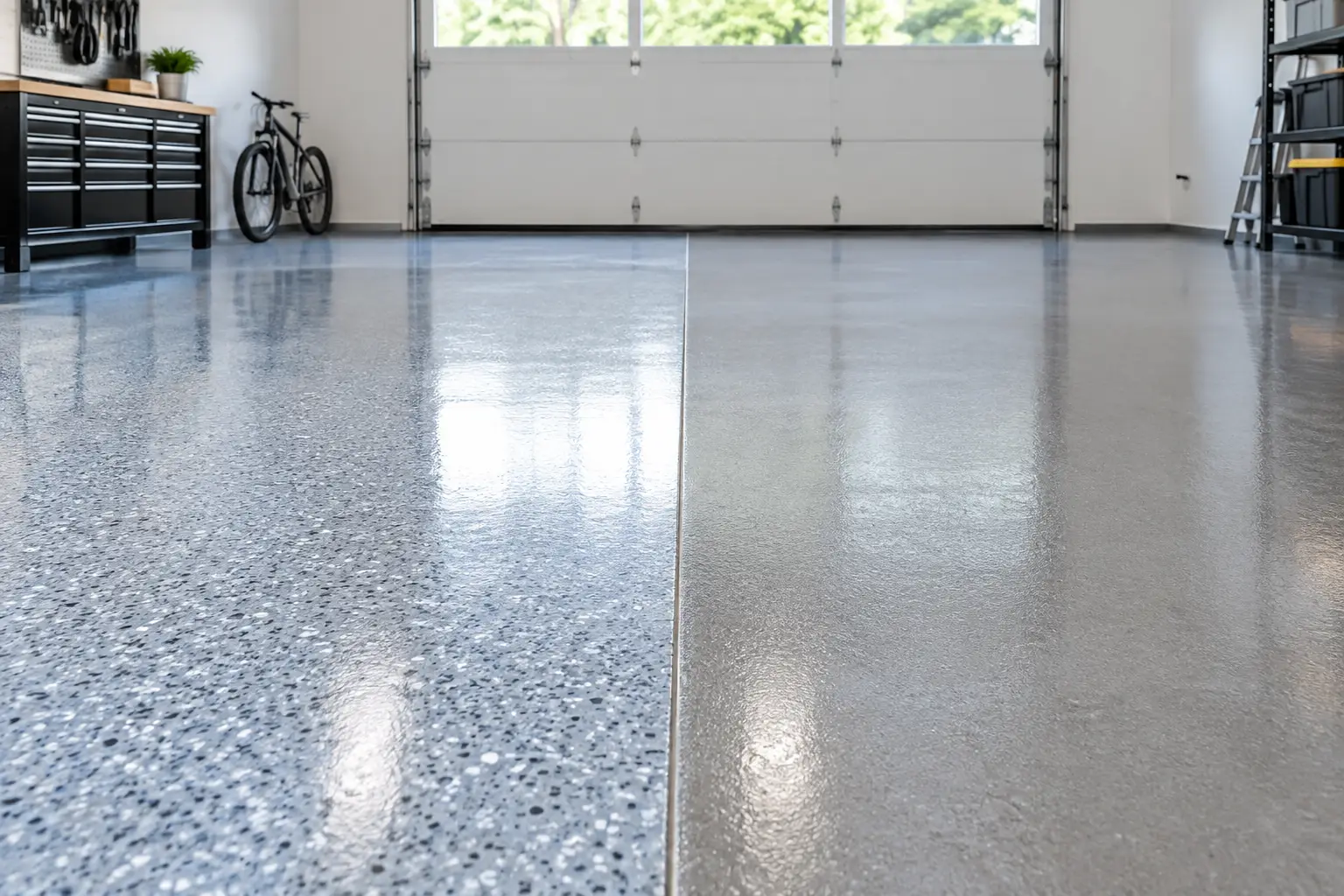
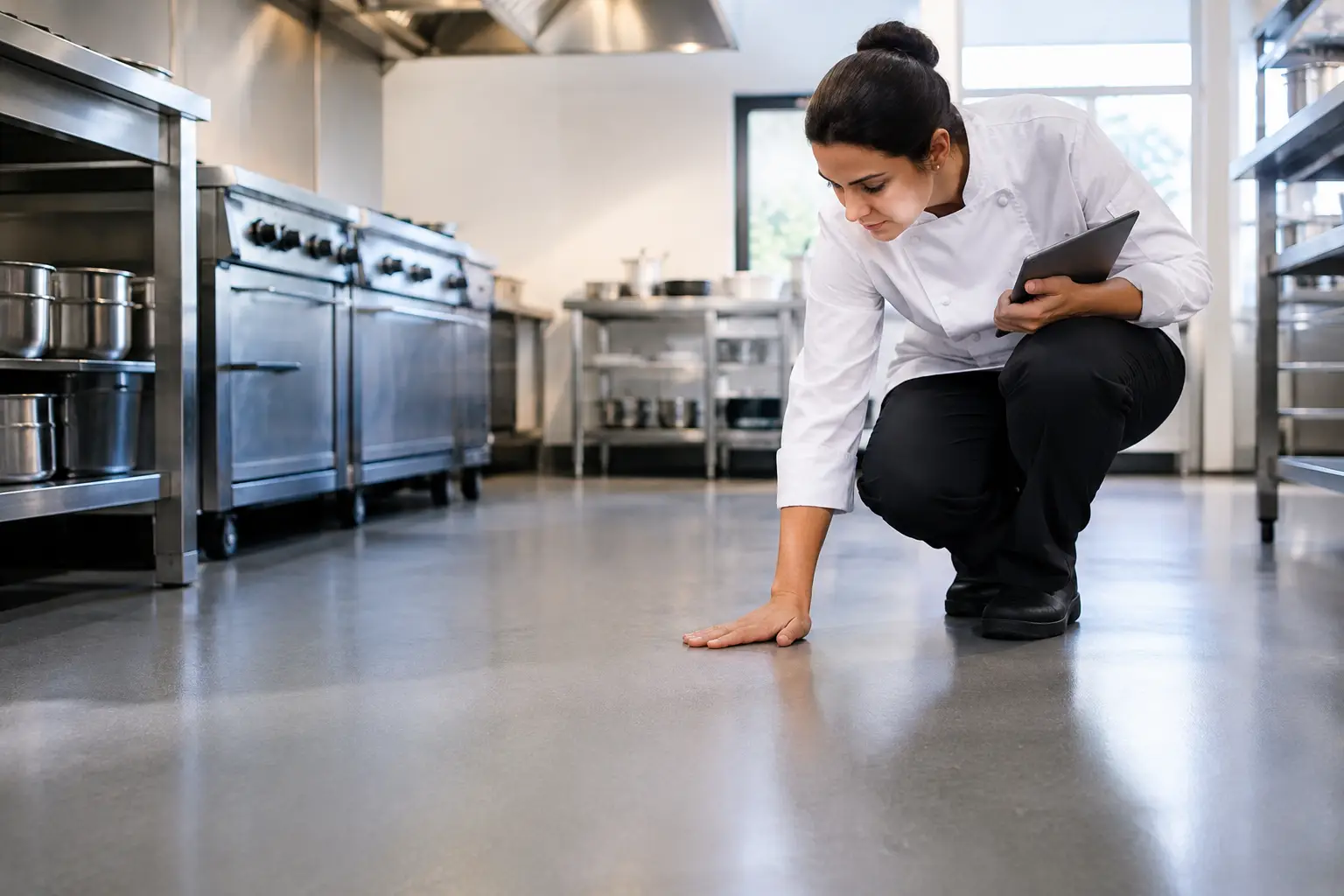
For a dry garage floor, a decorative flake epoxy system with a clear topcoat may provide an excellent balance of appearance, cleanability, and everyday traction. For a car wash area, commercial kitchen, food processing space, loading dock, or outdoor walkway, a more aggressive anti-slip profile is generally needed. These areas may also require a resin system with stronger resistance to thermal shock, chemicals, or standing water, such as polyurethane cement or an appropriately specified MMA coating.
The goal is not to create the roughest possible floor. Excessively coarse texture can trap dirt, make mopping difficult, and become uncomfortable or impractical for wheeled equipment. A safer result comes from matching the surface profile to the operating conditions.
What Makes a Resin Floor Slip Resistant?
Slip-resistant resin flooring is usually created by incorporating aggregate into the coating system. Depending on the required finish, installers may use graded quartz, decorative flakes, polymer grit, aluminum oxide, or another suitable material. The aggregate can be broadcast into a wet resin coat and then sealed, or it can be integrated into the finish coat.
The size and amount of aggregate matter. A fine texture can improve grip without significantly changing the floor’s appearance or cleanability. A heavier broadcast produces a more pronounced profile for wet or industrial environments. It is often appropriate where boots, forklifts, pallet jacks, hoses, and regular wash-down cleaning are part of normal operations.
A quality anti-slip system is more than grit scattered over a finished floor. The aggregate needs to be properly bonded and encapsulated so it does not shed prematurely. The topcoat must also be compatible with the resin beneath it and suited to the chemical, UV, abrasion, and temperature exposure of the site.
Surface Profile Must Suit the Area
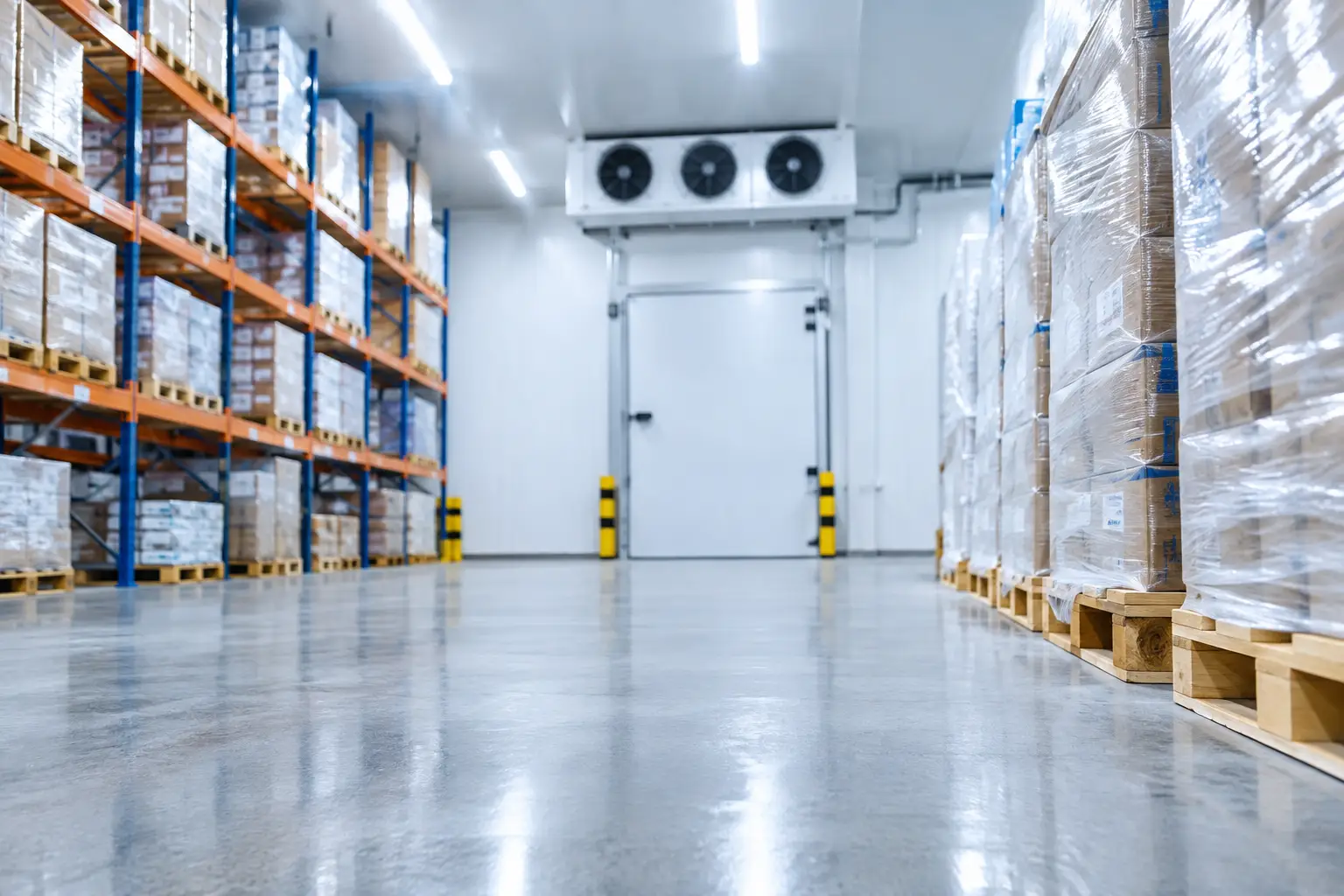
A facility manager may need different levels of texture within the same building. For example, a warehouse may use a smoother, easier-to-clean finish across general storage aisles, with added grip at loading doors, wash stations, pedestrian crossings, and external entry points. Clearly marked walkways and hazard zones can also help separate people from vehicle movements.
In a home, a garage or patio may benefit from a fine anti-slip additive that maintains a neat decorative finish. A pool surround, ramp, or sloped outdoor path may call for a more textured system, particularly where water is likely to collect. The best choice depends on how frequently the area gets wet and how the floor will be cleaned.
The Factors That Affect Traction Every Day
Even a well-specified resin floor needs to be assessed as part of the whole environment. Floor slope is one example. If water cannot drain, it will remain on the surface and create a continuing slip risk. Repairs to low spots, correct falls toward drains, and appropriate waterproofing may be just as important as the coating texture.
Cleaning practices also matter. A floor coated for chemical resistance still needs contaminants removed promptly. Grease buildup, overspray, detergent residue, and powdery dust can reduce traction over time. Use cleaning products that suit the coating system, rinse where required, and avoid leaving a soapy film behind.
Wear should be monitored as well. In busy traffic lanes, abrasive use, dragged pallets, and repeated turning from forklifts can gradually polish or damage the surface. A planned inspection and maintenance program helps identify areas that may need repair or recoating before they become a safety concern.
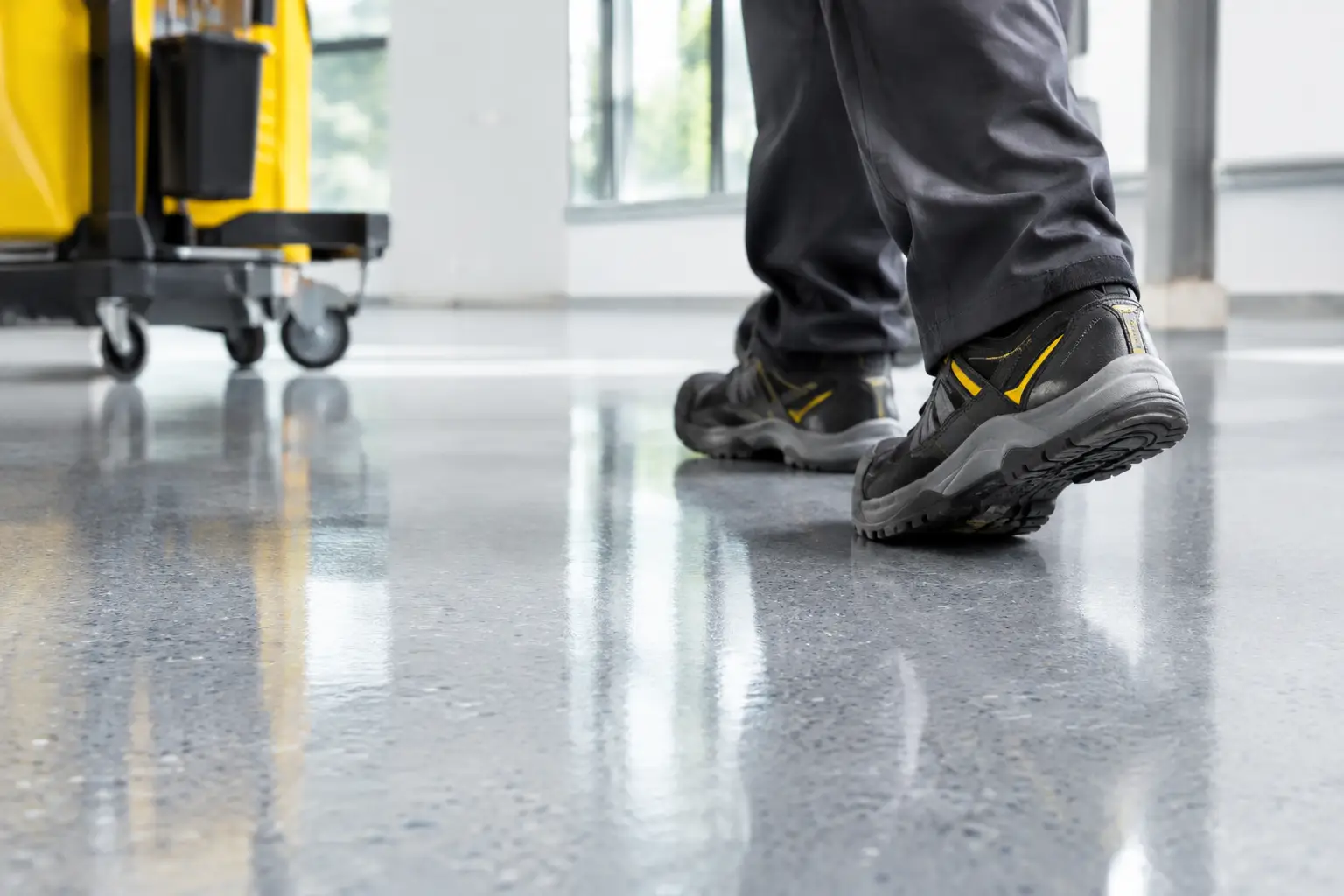
Footwear and tires are the final part of the equation. Smooth-soled shoes, worn work boots, and contaminated vehicle tires can compromise grip on any floor. For workplaces, flooring decisions should support – not replace – sensible housekeeping, footwear policies, drainage, and safe operating procedures.
How to Specify a Safer Resin Floor
The right time to address slip resistance is during the initial floor audit. A contractor should inspect the concrete substrate, existing coatings, cracks, moisture conditions, drainage, traffic patterns, and exposure to oils or chemicals. This assessment determines whether the floor needs grinding, crack repair, moisture management, priming, or localized leveling before the resin is applied.
Be specific about the environment. A useful project brief identifies whether the area is dry, occasionally wet, or routinely washed down; whether pedestrians, forklifts, or vehicles will use it; and whether the floor must resist oil, acids, hot liquids, food residue, or sunlight. It should also account for cleaning equipment and the desired visual finish.
Where a measurable slip-resistance target is required, confirm the applicable site, industry, insurance, or building requirements before selecting the system. Test methods and target values can vary by project and jurisdiction. The selected coating should be designed around the performance requirement, then installed and cured according to the manufacturer’s system specifications.
Preparation Is Central to Long-Term Performance
Surface preparation has a direct effect on both durability and safety. Concrete must be mechanically prepared to create a sound profile for bonding, then cleaned of dust, oils, weak material, and contaminants. Cracks and joints may need treatment before coating, particularly in areas subject to movement, impact, or frequent wheeled traffic.
If the resin does not bond properly, the finish can chip, peel, or wear unevenly. That creates maintenance issues and can leave the floor less consistent underfoot. Professional preparation, controlled application, curing time, and final inspection are what turn a specified anti-slip finish into a floor that performs over the long term.
Choosing Between Appearance and Grip
There is always a trade-off between a perfectly smooth decorative look and higher traction. Metallic epoxy and polished solid-color finishes can create a refined appearance, but may not be the right choice for a wet processing area. Conversely, a heavily textured industrial finish may offer excellent grip but be harder to clean and less suitable for a customer-facing space.
This is why a tailored system is more effective than a one-size-fits-all product. Decorative flake can provide visual variation that helps conceal minor dust and wear, while a clear topcoat with a fine aggregate can retain a clean, professional finish. In demanding industrial or commercial kitchen conditions, a more heavily broadcast resin system may be the sensible choice.
A resin floor should feel deliberate underfoot, not merely look impressive on installation day. When texture, drainage, preparation, and maintenance are planned together, resin flooring can provide a durable, attractive surface that supports safer daily use for the people who rely on it.