A hygienic floor has to do more than look clean after a mop. In a commercial kitchen, clinic, food-processing area, or busy workshop, it must resist moisture, chemicals, staining, impact, and repeated washdowns without creating places for contamination to settle. The best hygienic flooring options are those that match the actual conditions on site, including traffic levels, cleaning methods, temperature changes, and slip-risk requirements.
For facilities managers and business owners, the wrong choice can lead to cracked joints, lifting edges, difficult cleaning, and avoidable downtime. The right system creates a sealed, easy-to-maintain surface that supports daily operations rather than becoming another maintenance problem.
What Makes Flooring Hygienic?
Hygiene begins with a surface that is continuous, non-porous, and easy to access during cleaning. Open grout lines, failed sealants, cracked tiles, and rough concrete can hold water, grease, bacteria, and cleaning residue. These issues are especially problematic where food is handled, hygiene standards are audited, or floors are washed frequently.
A hygienic floor should also be detailed correctly at the perimeter. Resin systems can be continued up walls as a coved skirting, eliminating the hard-to-clean 90-degree junction between the floor and wall. When paired with appropriate falls to drains, this helps washdown areas dry faster and reduces standing water.
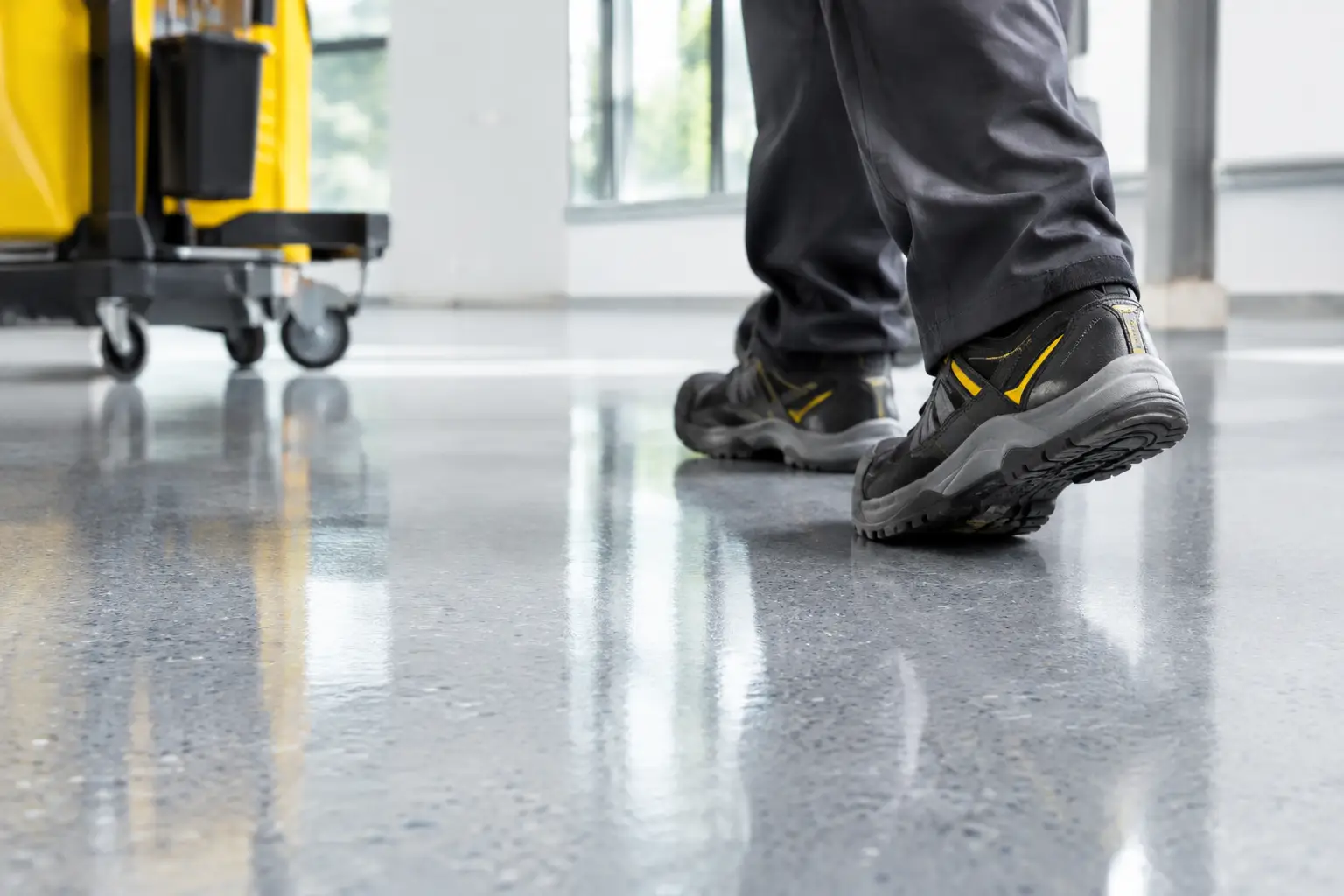
Slip resistance matters as much as cleanability. A perfectly smooth finish may be simple to wipe, but it can become hazardous when wet or greasy. The goal is a texture designed for the likely contaminants and cleaning regime, not the roughest surface possible. Excessive texture can trap dirt and make cleaning harder, so there is always a balance to strike.
Best Hygienic Flooring Options by Environment
Epoxy resin flooring
Epoxy is a widely used hygienic flooring option for commercial, industrial, and institutional spaces. Once properly installed, it forms a hard, seamless surface with strong resistance to staining, moisture, many chemicals, and everyday abrasion. It is well suited to dry or moderately wet areas such as laboratories, warehouses, retail back-of-house spaces, clinics, garages, and workshops.
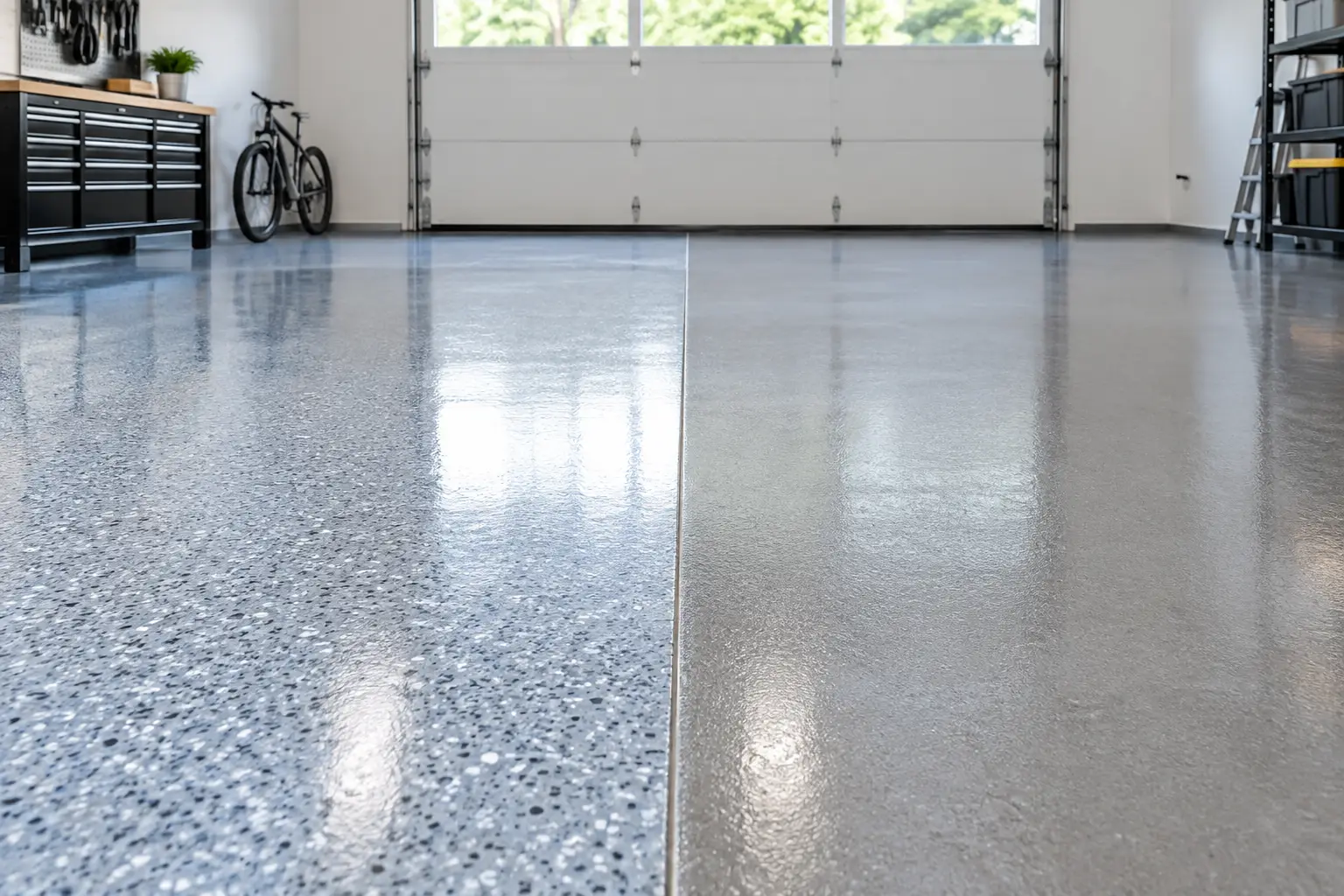
A solid-color epoxy floor provides a clean, professional finish that is simple to inspect. Decorative flake epoxy can also work in staff amenities, showrooms, and healthcare-adjacent spaces where a more welcoming appearance is required without giving up easy maintenance.
Epoxy is not automatically the answer for every wet environment. Standard epoxy can be affected by thermal movement and prolonged high temperatures, particularly where hot washdowns, steam, or rapid temperature changes occur. Surface preparation is also critical. Moisture vapor rising through a concrete slab, weak concrete, or inadequate crack repair can compromise even a premium coating system.
Polyurethane cement
For demanding food, beverage, pharmaceutical, and commercial-kitchen settings, polyurethane cement is often the stronger long-term choice. This heavy-duty resin system is built for areas exposed to heat, thermal shock, aggressive cleaning, fats, acids, sugars, and frequent washdowns.
Polyurethane cement is thicker and more forgiving of harsh operating conditions than conventional epoxy. It is commonly specified for commercial kitchens, food-production rooms, cool rooms, breweries, dairies, and processing facilities. With a broadcast aggregate finish, it can deliver dependable slip resistance while remaining practical to clean.
Its main trade-off is cost and installation complexity. Polyurethane cement is a specialized system, and its performance depends on correct substrate assessment, moisture management, edge detailing, and cure conditions. Where hygiene failure would interrupt production or create a compliance issue, that added investment is often justified.
Methyl methacrylate flooring
Methyl methacrylate, commonly called MMA flooring, is valuable when shutdown time is limited. MMA systems cure rapidly, allowing some projects to return to service much sooner than traditional resin installations. This makes them useful for retail food areas, commercial kitchens, hospitals, and operational facilities that cannot afford lengthy closures.
Like other resin systems, MMA can be installed as a seamless, chemical-resistant, non-slip floor. It is available in different textures and can be used with coved wall details where washdown hygiene is a priority.
The speed of cure does not remove the need for preparation. Grinding, repairs, cleaning, priming, and moisture checks still determine the quality of the finished floor. MMA also has a noticeable odor during application, so installation planning and ventilation need to be managed carefully in occupied buildings.
Sheet vinyl and welded vinyl systems
Sheet vinyl remains a practical choice for healthcare, education, aged care, and low-to-medium traffic clinical environments. When sheets are heat-welded at the seams and turned up the wall, they can provide a smooth, water-resistant surface with few joints. They are comfortable underfoot, comparatively quiet, and available in a broad range of colors and patterns.
However, vinyl is not the best fit for every hygienic space. Heavy point loads, pallet traffic, dropped tools, hot oil, and aggressive chemicals can damage it. Once torn or punctured, the surface becomes harder to keep sanitary. It is generally better suited to clean, controlled interiors than hard-working production or kitchen floors.
Tile with chemical-resistant grout
Quarry tile and porcelain tile can perform well in wet commercial areas, especially where heat and moisture are routine. They offer good durability and can provide natural slip resistance. For some existing facilities, tile may also be the most familiar or economical choice.
The limitation is the grout. Even chemical-resistant grout creates joints that require ongoing inspection and maintenance. Cracks, missing grout, and failed sealants can allow water and contaminants below the surface. Tile is often suitable for lower-risk wet areas, but seamless resin flooring is generally easier to maintain in hygiene-critical spaces.
Choosing the Right Hygienic Floor System
The best specification starts with how the area is actually used. A small coffee shop prep area needs a different system from a seafood-processing room or a hospital corridor. Consider the contaminants likely to reach the floor, whether hot water or steam is used, the frequency of washdowns, required slip resistance, and the type of traffic crossing the surface.
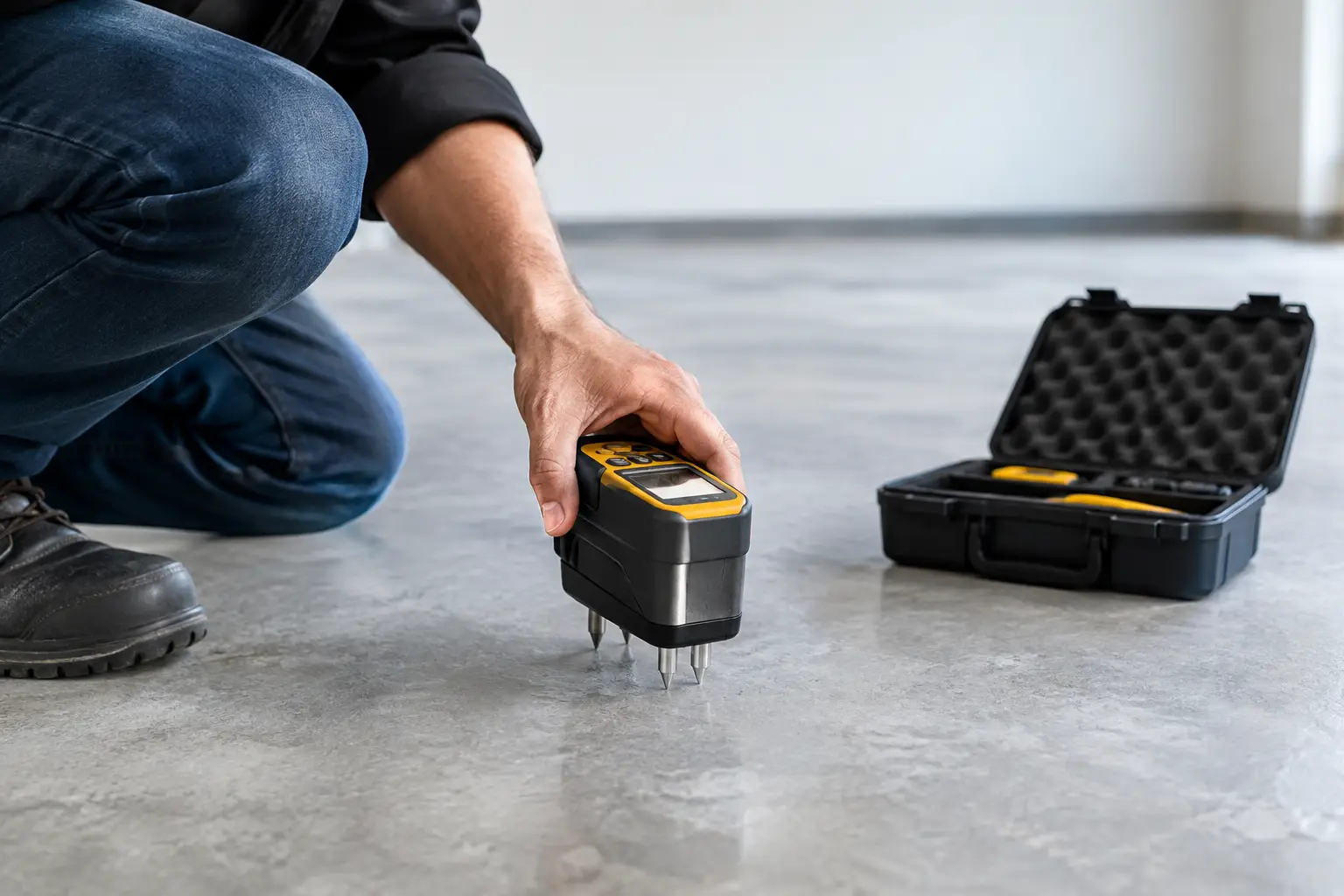
Drainage and substrate condition are equally important. A floor coating cannot correct poor drainage on its own. If water pools around equipment or drains, the slab may need regrading or localized repairs before the final system is installed. Cracks, weak concrete, old adhesive, existing tiles, and moisture vapor all need to be assessed before a material is selected.
Color and line marking should also be planned early. Light colors make spills easier to see, while darker systems may better suit high-traffic industrial areas. Clearly marked walkways, exclusion zones, and work bays can improve safety without introducing painted edges that wear away quickly.
Installation Details That Protect Hygiene
Material selection is only half the decision. Hygienic performance is won or lost in the preparation and detailing. Mechanical grinding opens the concrete and removes weak surface material. Cracks and joints must be repaired or treated correctly, while primers and moisture-tolerant systems should be selected for the slab conditions.
In wet areas, seamless coving, drain transitions, door thresholds, and equipment bases deserve close attention. These are the locations where water often finds a path beneath a floor finish. A professional installer should inspect these details before application, not try to solve them after the coating has cured.
At Sydney Epoxy Flooring, the process begins with a site inspection and floor assessment so the specified resin system reflects the environment, operating schedule, and safety requirements. That practical planning helps minimize disruption while delivering a floor that is easier to clean and built for the work it needs to do.
Maintenance Without Compromising the Surface
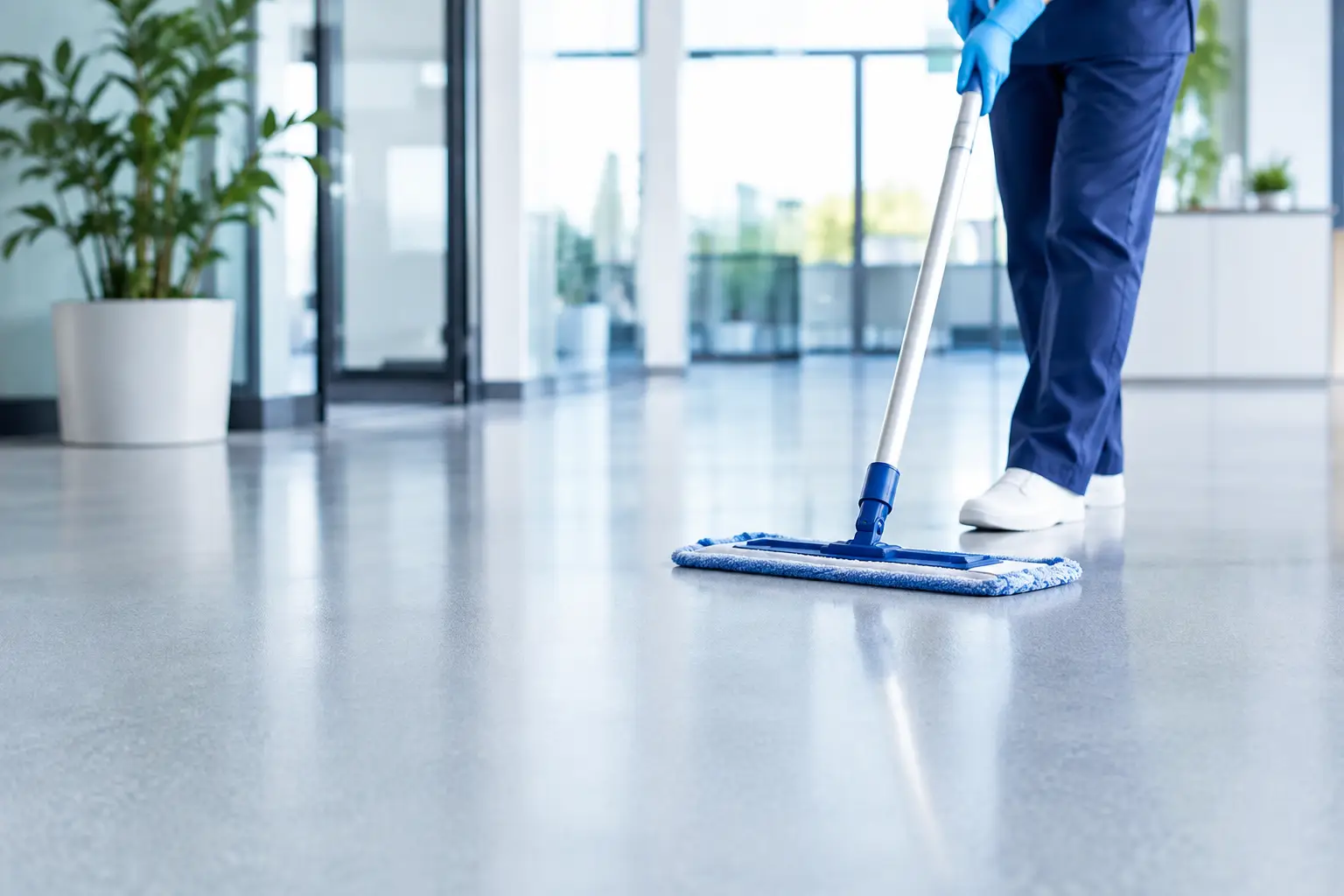
Even the most durable hygienic floor needs the right cleaning routine. Remove spills promptly, use cleaning products compatible with the installed system, and avoid overly aggressive pads or chemicals that can wear down the finish. In textured floors, use equipment and methods that lift contaminants from the profile rather than pushing residue into it.
Schedule regular inspections for drain edges, coving, joints, and high-wear traffic routes. Early repairs are usually small and contained. Waiting until water has reached the substrate can turn a minor defect into a larger shutdown and repair project.
A hygienic floor should make daily cleaning more predictable, not more demanding. Start with the conditions your facility faces on its busiest, wettest, most heavily cleaned day, then select the system and installation details that will still perform when those conditions become routine.