If you’re planning to install an epoxy floor coating in Sydney, the preparation work matters more than the coating itself. Mechanical floor preparation is the process of physically grinding, shot blasting, or scarifying concrete to remove old coatings, contaminants, and surface imperfections. Without it, your new epoxy coating won’t bond properly, and you’ll end up with peeling, bubbling, or uneven finishes that cost time and money to fix.
Most flooring failures happen because the surface wasn’t prepared correctly. A clean-looking floor might still have dust, oils, or weak concrete that prevents epoxy from sticking. Mechanical preparation solves this by creating a rough, clean profile that gives the coating something to grip onto.
Why Mechanical Floor Preparation Matters for Epoxy Coatings
Epoxy is a two-part coating system that bonds chemically to concrete. But that bond only works if the surface is clean, dry, and textured enough for adhesion. Think of it like painting a wall if you paint over dirt or gloss, the paint won’t stick.
Mechanical preparation removes:
- Old paint, sealers, or previous coatings
- Oil and grease stains
- Laitance (a weak, powdery layer on concrete)
- Uneven or damaged concrete
- Contaminants that prevent bonding
The result is a strong, porous surface that lets epoxy penetrate and lock in. This means your floor lasts longer, looks better, and performs as it should.
Common Methods Used in Mechanical Floor Preparation
Different tools work for different jobs. The method you choose depends on the condition of your floor, the type of coating you’re applying, and what you’re trying to remove.
Diamond Grinding
Diamond grinding uses rotating discs fitted with industrial diamonds to grind away the top layer of concrete. It’s precise, creates minimal dust when used with vacuum systems, and works well for removing thin coatings or levelling uneven surfaces.
Most commercial spaces and warehouses in Sydney use diamond grinding because it’s clean, controlled, and leaves a smooth finish. It’s also good for creating the exact surface profile your epoxy manufacturer recommends.
Shot Blasting
Shot blasting fires small steel balls at high speed across the concrete surface. The impact chips away old coatings and contaminants while creating a rough texture. It’s faster than grinding and works well on large outdoor areas or heavily contaminated floors.
This method is popular for car parks, driveways, and industrial spaces where speed matters more than a polished look. It’s also effective on floors with thick paint or heavy oil stains.
Scarifying
Scarifying uses rotating drums with cutting teeth to remove concrete and coatings. It’s aggressive, fast, and ideal for damaged or uneven floors that need major repair before coating.
You’ll see this method used in factories or older buildings where the concrete is cracked, flaking, or has multiple layers of old coatings. It’s not subtle, but it gets the job done when nothing else will.
| Method | Best For | Speed | Dust Control | Finish |
| Diamond Grinding | Thin coatings, smooth finish | Moderate | Excellent (with vacuum) | Smooth, even |
| Shot Blasting | Thick coatings, large areas | Fast | Good | Rough, textured |
| Scarifying | Damaged concrete, deep removal | Very Fast | Moderate | Rough, uneven |
What Happens If You Skip Mechanical Preparation
Some contractors suggest acid etching or light cleaning instead of mechanical prep to save time. This almost always causes problems.
Acid etching only cleans the surface; it doesn’t create the right texture or remove weak concrete. Epoxy needs a physical profile to bond to, and acid can’t provide that. You’ll end up with a coating that lifts, peels, or fails within months.
Light sweeping or pressure washing leaves behind invisible contaminants like oils, dust, or chemical residue. Even a thin layer of contamination stops epoxy from bonding. Once the coating fails, you have to remove it, prepare the floor properly, and start over. That’s double the cost and downtime.
Proper mechanical preparation costs more upfront, but it’s the only way to avoid expensive failures later.
How Mechanical Floor Preparation Saves You Money
Doing it right the first time means you won’t pay twice. When your epoxy floor is prepared correctly, it lasts 10–20 years with minimal maintenance. Poor preparation means failures within 1–2 years, followed by removal, repair, and re-coating.
Here’s what proper preparation prevents:
- Peeling and delamination
- Bubbling from trapped moisture or air
- Uneven finishes and visible patches
- Premature wear and cracking
- Full floor replacement
You also save on downtime. A failed floor needs to be shut down for repairs, which costs businesses in lost productivity. Getting it right the first time keeps your space operational longer.
The Process: What to Expect During Mechanical Floor Preparation
Understanding the process helps you plan better and know what questions to ask your contractor.
Initial Assessment
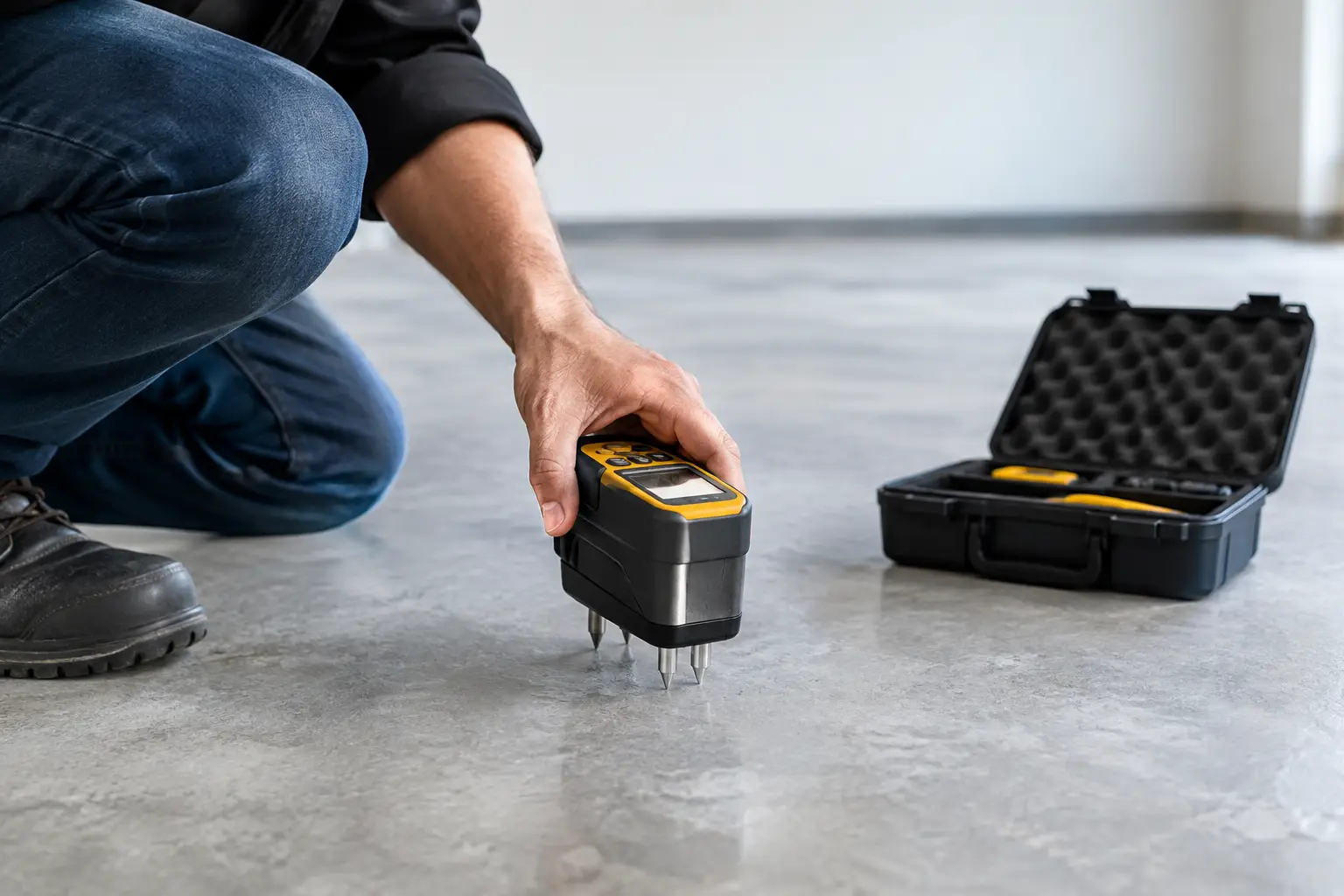
A professional contractor inspects your floor to check for moisture, cracks, weak concrete, and existing coatings. They test the surface to determine which preparation method suits your needs. This step also identifies any repairs needed before preparation begins.
Surface Preparation
The contractor uses the chosen method (grinding, blasting, or scarifying) to remove coatings and create the correct surface profile. They work in sections, ensuring consistent coverage and depth. Dust extraction systems keep the area clean and safe.
Cleaning and Inspection
After mechanical preparation, the floor is thoroughly vacuumed and cleaned. Any remaining dust or debris is removed. The contractor checks the surface profile to ensure it meets the epoxy manufacturer’s specifications.
Repairs (If Needed)
Cracks, holes, or damaged areas are filled and levelled. This creates a smooth, uniform base for the epoxy coating. Repairs are typically done with epoxy-based fillers that bond to the prepared concrete.
Final Check
Before coating begins, the floor is tested for moisture and surface profile. This ensures everything is ready for the epoxy application.Any problems are resolved before the coating process begins.
Why Sydney Floors Need Professional Mechanical Preparation
Sydney’s climate, building age, and usage patterns create unique challenges for floor preparation.
Many older commercial and residential buildings in Sydney have concrete floors that were never properly sealed or maintained. These floors often have layers of old paint, oil stains, or surface damage that need aggressive mechanical preparation.
Sydney’s humidity can also affect concrete moisture levels, which impacts epoxy bonding. Professional preparation includes moisture testing to ensure the floor is dry enough for coating. Without this, trapped moisture causes bubbling and coating failure.
Local regulations also require proper dust control and waste disposal during floor preparation. Professional contractors use vacuum systems and follow waste management protocols to keep your site compliant and safe.
Choosing the Right Contractor for Mechanical Floor Preparation
Not all contractors have the equipment or experience to prepare floors properly. Here’s what to look for:
- Specialised grinding and blasting equipment, not just rental tools
- Experience with different concrete types and conditions
- Understanding of epoxy manufacturer specifications
- Proper dust extraction and safety systems
- Clear communication about timeframes and costs
Ask to see photos of previous jobs and check that they understand the specific requirements of your epoxy coating system. A contractor who only does grinding might not know how to handle heavy contamination or damaged concrete.
Our Approach to Mechanical Floor Preparation in Sydney
We’ve been preparing concrete floors for epoxy coatings across Sydney for years. We work with residential, commercial, and industrial clients who need reliable, long-lasting results.
Our team uses professional-grade diamond grinders, shot blasters, and scarifiers to handle any floor condition. We test every surface before we start, so we know exactly what preparation method will work best. That means no surprises and no shortcuts.
We also manage dust control, site safety, and compliance with local regulations. Your space stays clean, and the work gets done on schedule.
Most importantly, we understand that floor preparation isn’t just about removing old coatings, it’s about creating the right foundation for a floor that performs well for years. We work with your epoxy applicator’s specifications to ensure the surface profile is exactly what your coating needs.
Local Areas We Serve
We work throughout Sydney’s residential, commercial, and industrial areas. Whether you’re in the inner city, western suburbs, or northern beaches, we bring the same equipment and expertise to every job.
Common projects include:
- Warehouse floors in western Sydney
- Commercial kitchens and retail spaces in the CBD
- Garage and workshop floors in suburban homes
- Factory floors and loading docks in industrial areas
Sydney’s diverse building stock means we see everything from brand-new concrete slabs to 50-year-old factory floors. We’ve worked on them all.
Frequently Asked Questions
How long does mechanical floor preparation take?
Most residential garage floors take 1–2 days. Commercial and industrial spaces depend on the size and condition except 3–7 days for larger projects. We’ll give you a clear timeframe after inspecting your floor.
Can I prepare the floor myself to save money?
Rental equipment doesn’t have the power or precision of professional tools. You’ll also need dust extraction systems and experience to avoid damaging the concrete. DIY preparation usually creates problems that cost more to fix than hiring a professional from the start.
Will mechanical preparation damage my concrete?
No. When done correctly, mechanical preparation strengthens the surface by removing weak material and creating a clean, solid base. It’s designed to improve the concrete, not harm it.
How do I know which preparation method I need?
That depends on your floor’s condition and the coating you’re applying. A professional contractor will assess your floor and recommend the right method. Grinding works for most situations, while shot blasting and scarifying handle tougher jobs.
Is mechanical preparation necessary for all epoxy coatings?
Yes. Every epoxy manufacturer specifies a minimum surface profile for proper bonding. Mechanical preparation is the only way to achieve that profile consistently. Skipping it voids most coating warranties.
Ready for a Long-Lasting Epoxy Floor?
Mechanical floor preparation isn’t the exciting part of getting a new epoxy floor, but it’s the most important. Get it right, and your floor will look great and last for decades. Cut corners, and you’ll be dealing with failures and repairs before long.
If you’re planning an epoxy coating project in Sydney, start with proper mechanical preparation. It’s the foundation on which everything else depends.
Phone: 1300 621 873
Email: info@sydepoxyflooring.com.au
Address: Unit 123/7 Hoyle Ave, Castle Hill, NSW 2154