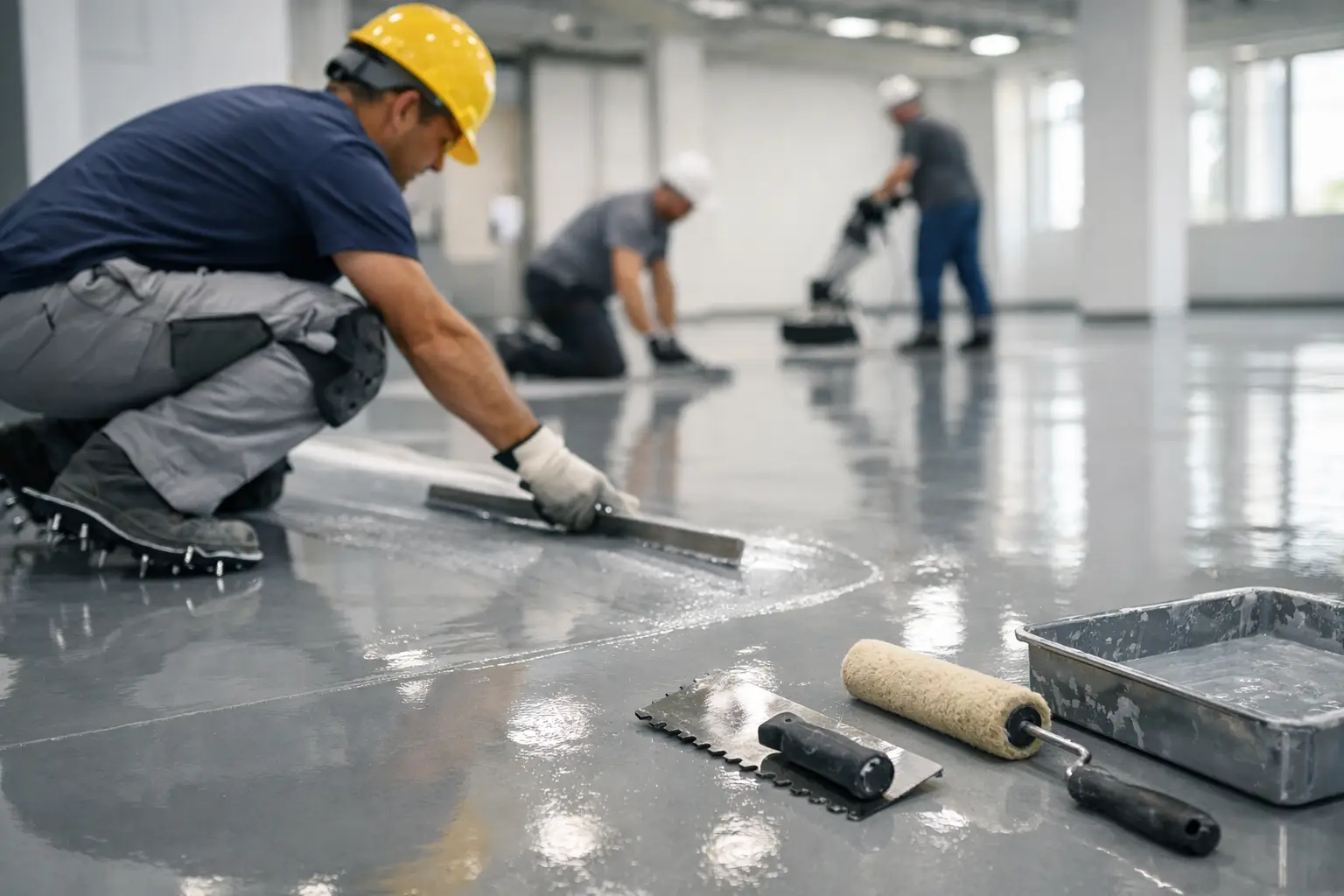
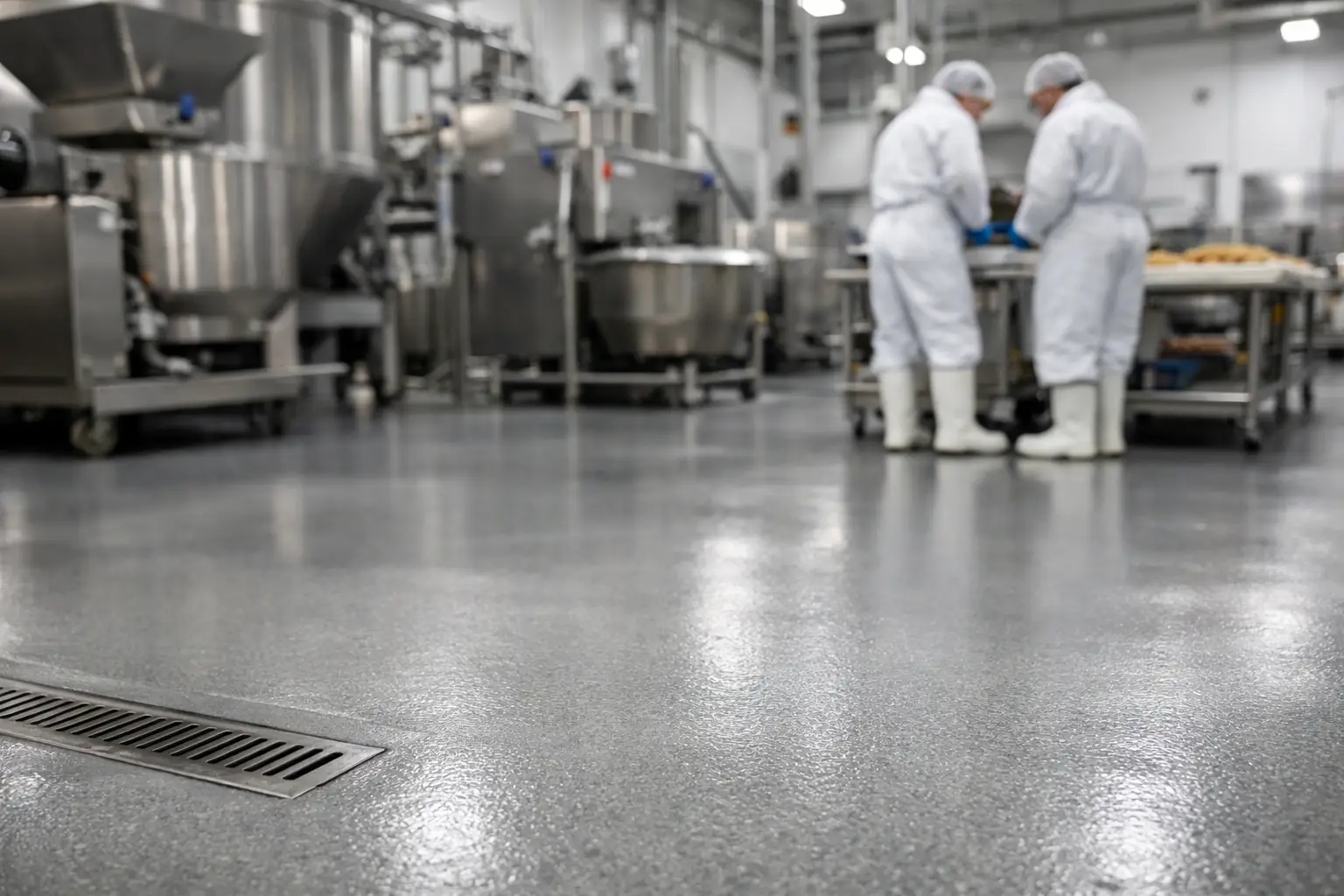
If you own or manage a commercial building in Sydney, your concrete floor is working harder than you think. It carries heavy loads, withstands foot traffic, and supports your daily operations. But over time, even the toughest concrete floors start to show signs of wear. Cracks appear. Surfaces become uneven. Structural problems hide beneath the surface. That’s where professional commercial concrete floor inspection comes in and why it matters for your business.
A proper inspection doesn’t just spot visible damage. It finds problems early, saves you money on major repairs, and keeps your workplace safe. Whether you run a warehouse in Bankstown, a factory in Smithfield, or a retail space in the Sydney CBD, understanding the condition of your floor is essential.
Why Commercial Concrete Floors Need Regular Inspections
Commercial concrete floors take a beating. Forklifts, pallet jacks, heavy machinery, and constant foot traffic all add up. Over months and years, this creates stress that weakens the concrete. Small issues grow into bigger problems if left unchecked.
Here’s why regular inspections matter:
Prevent costly repairs. Even a minor crack today can turn into a serious structural problem tomorrow.
Fixing it early costs far less than replacing an entire section of floor.
Meet safety standards. Uneven floors and cracks create trip hazards. Regular inspections help you meet workplace health and safety requirements and protect your staff and customers.
Extend floor life. Catching problems early means your floor lasts longer. You get more value from your investment.
Avoid business disruption. Emergency repairs can shut down operations. Planned maintenance based on inspection findings keeps your business running smoothly.
What Does a Commercial Concrete Floor Inspection Include?
A thorough commercial concrete floor inspection in Sydney looks at every aspect of your floor’s condition. Professional inspectors don’t just walk around and take notes; they use specialised tools and techniques to get the full picture.
Visual Assessment
This is the first step. Inspectors examine the entire floor surface for visible signs of damage, including:
- Cracks (hairline, structural, or pattern cracking)
- Spalling (surface flaking or chipping)
- Delamination, which occurs when the top layer peels away from the base.
- Surface wear and abrasion
- Discolouration or staining
- Joint deterioration
- Uneven settlement or sinking
Structural Testing
Surface problems often point to deeper issues. That’s why inspectors use testing methods to check what’s happening below:
Core sampling removes small cylindrical samples to test concrete strength and check for internal damage.
Ground-penetrating radar scans beneath the surface to locate voids, rebar positioning, and hidden defects without drilling.
Moisture testing identifies water infiltration problems that weaken concrete over time.
Load-bearing tests determine if the floor can still handle its intended weight capacity.
Detailed Reporting
After the inspection, you receive a comprehensive report. This includes photos, measurements, test results, and clear recommendations. You’ll know exactly what needs fixing, what can wait, and what the costs might look like.
Common Issues Found During Floor Inspections
Sydney’s climate and typical commercial use patterns create specific challenges for concrete floors. Here’s what inspectors often find:
Cracking
Not all cracks are equal. Hairline cracks might be cosmetic, but wider structural cracks signal serious problems. Inspectors identify crack types, measure their width and depth, and assess whether they’re active (still growing) or stable.
Settlement and Sinking
When soil beneath the concrete shifts or compresses, the floor can sink unevenly. This creates trip hazards and puts stress on the entire structure. It’s common in areas with poor soil preparation or water drainage issues.
Surface Deterioration
Heavy traffic wears down concrete surfaces over time. Chemical spills, moisture, and impact damage accelerate this process. Left unchecked, surface damage spreads and weakens the structural integrity of the floor.
Joint Failures
Concrete floors have joints to allow for expansion and contraction. When these joints fail due to age, poor installation, or damage, cracks form and the floor becomes unstable.
Types of Commercial Properties That Need Floor Inspections
Different types of commercial spaces face different floor challenges. Here’s how various Sydney businesses benefit from regular inspections:
| Property Type | Common Floor Issues | Inspection Focus |
| Warehouses | Heavy equipment damage, joint failures, uneven settlement | Load capacity, structural integrity, joint condition |
| Factories | Chemical spills, machinery vibration damage, surface wear | Chemical resistance, structural cracks, surface hardness |
| Retail Spaces | High foot traffic wear, settlement near entrances, cosmetic damage | Surface condition, trip hazards, appearance |
| Office Buildings | Moisture issues, partition wall settlement, and light wear | Moisture levels, crack monitoring, surface quality |
| Car Parks | Oil contamination, freeze-thaw damage, drainage problems | Surface durability, drainage systems, structural soundness |
How Floor Assessments Save You Money
Some business owners see inspections as an unnecessary expense. In reality, professional assessments can save you substantial money in the long run.
Better planning for capital expenses. Knowing your floor’s condition allows you to plan maintenance and prevent unexpected costs. You’re in control instead of reacting to emergencies.
Reduced liability. A documented inspection history shows you’ve taken reasonable steps to maintain a safe workplace. If someone is injured, this documentation can be crucial.
Longer floor lifespan. Regular maintenance based on inspection findings can extend the usable life of your floor by 10-20 years. That’s a huge return for a relatively small investment.
When Should You Schedule a Concrete Floor Inspection?
Timing matters. Here are the situations where you should arrange a commercial concrete floor inspection in Sydney:
Before purchasing a property. Don’t assume the floor is in good condition just because it looks okay. A pre-purchase inspection reveals hidden problems that could cost you thousands after settlement.
After noticing changes. New cracks, uneven areas, or surface damage are warning signs. Get them checked promptly.
Following major incidents. Floods, earthquakes, or accidents involving heavy equipment can damage floors in ways that aren’t immediately visible.
As part of regular maintenance. For high-traffic commercial spaces, schedule inspections every 3-5 years. For properties with heavy machinery or harsh conditions, inspect every 1-2 years.
Before applying new flooring. If you’re planning to install epoxy coatings, polished concrete, or other finishes, you need to know the substrate is sound. A damaged base will cause any new flooring to fail quickly.
The Assessment Process: What to Expect
Understanding what happens during an inspection helps you prepare and get the most value from the service.
First, you’ll discuss your concerns and requirements with the inspection team. They’ll ask about the floor’s history, current use, and any problems you’ve noticed.
On inspection day, the team arrives with specialised equipment. The process typically takes a few hours to a full day, depending on the floor size and complexity. You can usually keep working during the inspection, though some areas might need temporary access restrictions for safety.
The inspector examines every part of the floor systematically. They take measurements, photos, and samples as needed. If they find immediate safety concerns, they’ll let you know right away.
Within a week or two, you receive a detailed written report. This includes findings, risk assessments, and prioritised recommendations. The best inspection companies explain everything in plain language and answer your questions.
What Happens After an Inspection?
The inspection report gives you a clear action plan. Not everything needs immediate attention. Issues are typically categorised by urgency:
Critical issues require immediate action for safety or structural reasons. These might include major structural cracks or areas at risk of collapse.
High-priority issues should be addressed within months. They’re not immediately dangerous but will worsen quickly if ignored.
Medium priority issues need attention within 1-2 years. These are problems that will eventually cause damage, but aren’t urgent yet.
Low-priority items are minor cosmetic issues or areas to monitor over time.
This prioritisation helps you budget and plan effectively. You can tackle critical repairs immediately while scheduling others for future maintenance windows.
Why Choose Professional Floor Inspection Services
Some property managers try to assess floors themselves. While walking around and looking for obvious problems is useful, professional inspections go much deeper.
Qualified inspectors have specialised training in concrete technology, structural engineering, and testing methods. They spot problems that untrained eyes miss. They understand how different types of damage develop and what causes them.
Professional equipment makes a huge difference. Ground-penetrating radar, moisture meters, concrete core sampling tools, and other specialised instruments reveal issues you can’t see or detect without them.
Experience matters too. Inspectors who’ve assessed hundreds of commercial floors recognise patterns and know which problems are serious and which aren’t. They’ve seen how issues develop over time and understand the most effective repair approaches for different situations.
Sydney Epoxy Flooring: Your Trusted Partner for Floor Inspections
For years, we’ve been helping Sydney businesses assess and maintain their concrete floors. Our team blends technical expertise with deep local knowledge of Sydney’s commercial properties.
When you work with us, you get more than just a report. You gain a partner who truly understands your business needs. Having inspected floors across Western Sydney from Castle Hill to Parramatta and beyond, we know the common issues Sydney properties face and the best solutions to address them.
Our inspection process is thorough but efficient. We use the latest testing equipment and adhere to industry best practices. Most importantly, we explain everything in plain, easy-to-understand language, no technical jargon, just clear insights to help you make informed decisions.
We’re fully licensed and insured, and our team stays up-to-date with Australian Standards and safety regulations. You can rely on our inspection reports for accurate findings and trustworthy recommendations.
Beyond inspections, we offer complete concrete floor solutions. If we identify any issues during an inspection, we can manage the repairs and restoration, providing a single point of contact from assessment through to completion.
Local Knowledge Makes a Difference
Sydney’s conditions impact concrete floors in unique ways. Our humid climate, soil types, and typical commercial building practices all play a role in how floors age and deteriorate.
We know these local factors firsthand, as we work in Sydney every day.
We know which suburbs have soil settlement issues. We’re well-versed in the typical construction methods used across Sydney’s commercial developments over the years.
. We’ve seen how coastal properties face different challenges than inland locations.
This local expertise allows us to give practical, relevant advice. We don’t just follow a checklistn we apply years of Sydney-specific experience to your unique situation.
Frequently Asked Questions
How much does a commercial concrete floor inspection cost?
Costs vary based on floor size, access difficulty, and testing requirements. For a typical warehouse or commercial space, expect to invest between $800 and $3,000. Complex inspections requiring extensive testing may cost more. We offer transparent quotes, so you’ll know exactly what to expect from the start.
How long does an inspection take?
Most inspections are completed in 4-8 hours. Larger properties or those requiring extensive testing may take a full day or require multiple visits. We carry out our work efficiently to keep disruption to your operations to a minimum.
Can I keep working during the inspection?
Usually yes. We coordinate with you to minimize disruption. Some areas may need temporary access restrictions during testing, but most of your space remains operational throughout the inspection process.
What qualifications should floor inspectors have?
Look for inspectors with relevant trade qualifications, experience in concrete assessment, and knowledge of Australian Standards. Membership in industry bodies and ongoing professional development are good signs. Always check for proper insurance and licensing.
How often should commercial floors be inspected?
For standard commercial spaces with moderate traffic, inspect every 3-5 years. High-traffic areas, warehouses with heavy equipment, or properties with known issues should be inspected every 1-2 years. After any significant event like flooding or structural work, schedule an inspection regardless of your regular cycle.
What happens if major problems are found?
We’ll explain the issues clearly and provide prioritised recommendations. Not everything needs immediate action. We guide you on what requires immediate attention, what can be deferred, and the available repair options.
You’ll receive all the necessary information to make confident and informed decisions about your property.
Ready to understand your floor’s true condition?
Contact Sydney Epoxy Flooring today to schedule a professional commercial concrete floor inspection with trusted local experts. Our experienced team is ready to help Sydney businesses maintain safe, durable, and long-lasting floors.
Phone: 1300 621 873
Email: info@sydepoxyflooring.com.au
Address: Unit 123/7 Hoyle Ave, Castle Hill, NSW 2154