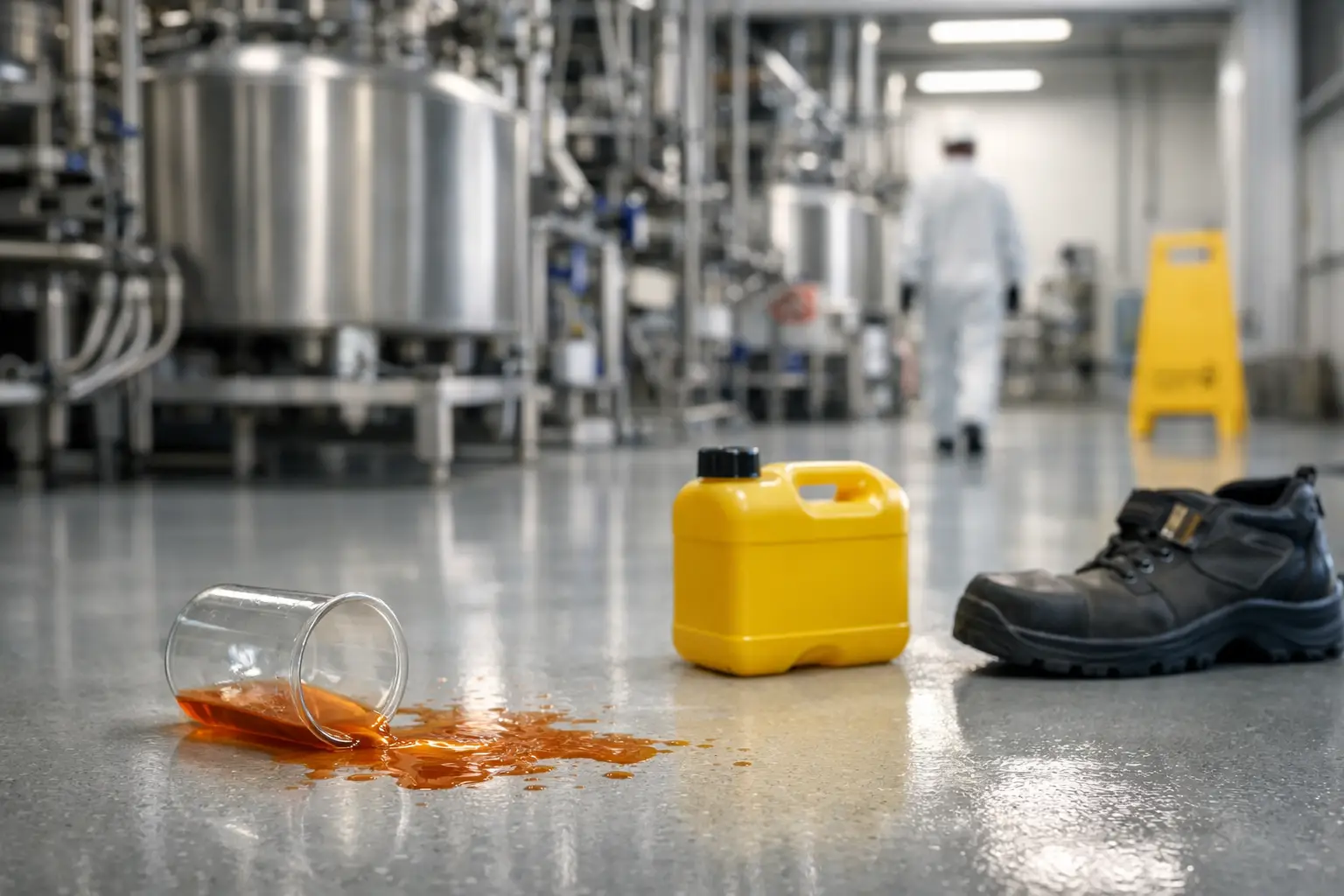
Water damage in kitchens is one of the most expensive and dangerous problems a property owner can face. Unlike other rooms in your home or business, kitchens experience constant moisture exposure from:
- Sinks and drain systems
- Washing and dishwashing
- Steam from cooking
- Refrigeration condensation
- Regular spills and splashes
Without proper waterproofing, this constant moisture seeps into walls, floors, and structural elements—leading to mold growth, structural damage, and costly repairs that can exceed thousands of dollars.
Here’s the truth: By the time you notice water damage, it’s already expensive. Prevention through professional waterproofing is far smarter (and cheaper) than dealing with repairs after damage occurs.
In this guide, we’ll show you why kitchen waterproofing matters, what systems work best, and how Sydney’s leading waterproofing experts can protect your investment.
The True Cost of Kitchen Water Damage
What Happens Without Waterproofing?
Immediate Issues (First 6 months):
- Visible mold and mildew growth
- Musty odors
- Discoloration on walls and ceilings
- Slippery, unsafe floors
- Bacterial growth
Medium-Term Problems (6-12 months):
- Wood rot and structural decay
- Drywall deterioration
- Flooring warping and buckling
- Electrical hazards
- Plumbing corrosion
Long-Term Consequences (1+ years):
- Extensive structural damage requiring costly repairs
- Complete kitchen reconstruction needed
- Health issues for occupants (respiratory problems, allergies)
- Property value decline
- Legal liability issues
Professional waterproofing costs a fraction of this and prevents all these problems.
Why Commercial Kitchens Need Waterproofing
Unique Challenges of Commercial Kitchen Environments
Constant Moisture Exposure Commercial kitchens see continuous water use—far more than residential kitchens. Dishwashing systems, prep areas, and cooking equipment all introduce moisture that can penetrate ordinary flooring.
Heavy Equipment & Traffic The constant movement of people, equipment, and products puts stress on floors and walls. Small cracks or weak points become larger vulnerabilities where water can seep through.
Strict Health Regulations Health and safety codes require:
- Clean, hygienic flooring with no water absorption
- Prevention of bacterial and mold growth
- Proper drainage systems
- Regular inspection and maintenance
Failure to meet these standards results in fines, closure notices, or loss of operating licenses.
Chemical Exposure: Commercial kitchens use strong cleaning agents daily. The waterproofing system must resist:
- Sanitizers and bleach
- Grease buildup
- Acidic substances
- High-temperature water and steam
24/7 Operation: Unlike homes, commercial kitchens operate around the clock. Downtime equals lost revenue, making efficient waterproofing systems essential.
Residential Kitchen Waterproofing Challenges
Why Home Kitchens Need Protection Too
Aging Infrastructure
Many homes have outdated plumbing and flooring. Old concrete cracks, worn sealants, and deteriorating grout create pathways for water penetration.
Daily Moisture Buildup Dishwashing, cooking steam, and general water use create cumulative moisture that can damage:
- Subflooring
- Wall cavities
- Cabinet bases
- Structural framing
Proximity to Living Spaces
Unlike commercial properties, water damage in residential kitchens affects living areas. Mold spreads to bedrooms and other spaces, impacting the entire household’s health.
Property Value Impact
Water damage significantly reduces home value. Potential buyers will negotiate heavily (or walk away) if they see signs of water damage or mold.
Professional Kitchen Waterproofing Systems Explained
What is Commercial Kitchen Waterproofing?
Professional waterproofing is a comprehensive system (not just a sealant) that protects every area of your kitchen vulnerable to water penetration.
Key Areas Protected
Your floor is the primary barrier against water damage. Professional waterproofing involves:
- Sealing the concrete substrate
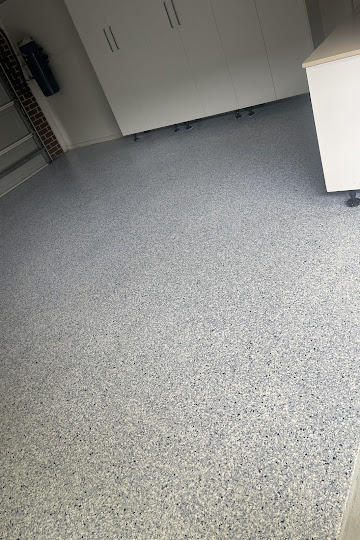
- Applying epoxy or polyurethane coatings
- Creating proper drainage slopes
- Installing cove bases along walls
Why it matters: Water naturally flows toward and under flooring. A sealed, sloped floor directs water to proper drainage areas instead of allowing it to pool and seep underneath.
Sink and Drain Waterproofing
Sink areas are waterproofing hotspots. Professional systems include:
- Waterproof sealing around drain penetrations
- Slope creation for proper water drainage
- Sealed joints and connections
- Backup drain systems for overflow protection
Why it matters: Sink leaks are often hidden. Water runs under cabinets and into subflooring before anyone notices, causing extensive hidden damage.
Cool Room and Refrigeration Area Waterproofing
Cold storage areas present unique challenges:
- Constant condensation from temperature differentials
- High moisture environments
- Heavy equipment weight
- Frequent cleaning with water and chemicals
Professional waterproofing for cold rooms includes:
- Vapor barrier installation
- Insulated, waterproof flooring
- Proper drainage and ventilation
- Sealed penetrations for pipes and equipment
Why it matters: Cold rooms are humidity factories. Without proper waterproofing, condensation soaks into floors and walls, creating ideal conditions for mold and structural damage.
Grease Trap Sealing
Grease traps are notorious for leaks. They contain:
- Hot, greasy water (damages most sealants)
- Bacterial growth
- Corrosive substances
- Constant flow stress
Professional grease trap sealing uses specialized systems that withstand:
- Temperature extremes
- Chemical exposure
- Constant liquid flow
- Cleaning chemicals
Why it matters: Leaking grease traps contaminate soil, violate environmental regulations, and create health hazards. Professional sealing prevents costly environmental cleanup.
Food Preparation Countertop Waterproofing
Countertops experience constant water exposure:
- Daily washing and sanitizing
- Spills and splashes
- Raw food moisture
- Equipment condensation
Professional waterproofing creates:
- Sealed seams and joints
- Waterproof under-mount protection
- Drainage slopes toward sinks
- Protective coatings that resist food acids and bacteria
Why it matters: Water seeping through countertops gets trapped underneath, destroying cabinets and creating mold in hidden spaces.
Waterproof Wall Coatings and Backsplashes
Kitchen walls face constant splashing and steam exposure. Professional waterproofing includes:
- High-grade waterproof paint or epoxy
- Sealed seams and penetrations
- Mold-resistant formulations
- Commercial-grade adhesion
Why it matters: Wall moisture is often overlooked until severe damage appears. Proactive waterproofing prevents mold growth and wall deterioration.
Steam and Cooking Area Waterproofing
The area around the cooking equipment faces:
- Intense heat
- Heavy steam and humidity
- Grease vapor
- Potential equipment leaks
Specialized waterproofing systems handle:
- Heat-resistant coatings
- Vapor barriers
- Ventilation integration
- Durable, easy-clean surfaces
Why it matters: Steam penetrates ordinary surfaces, and heat can damage standard waterproofing. Specialized systems are essential here.
Storage and Pantry Area Waterproofing
Even storage areas need protection:
- Humidity from enclosed spaces
- Potential roof leaks
- Pipe penetrations overhead
- Regular cleaning and moisture from food storage
Professional waterproofing includes:
- Ceiling protection against leaks
- Wall moisture barriers
- Proper ventilation
- Sealed penetrations
Why it matters: Storage area leaks often go unnoticed until products are damaged or mold appears on food packaging.
Why DIY Waterproofing Fails (And Why You Need Professionals)
Common DIY Mistakes
- Using Wrong Products Home improvement stores sell consumer-grade sealants and paints that aren’t designed for commercial kitchen environments. They fail quickly under constant moisture and chemical exposure.
- Incomplete Coverage DIY waterproofing typically covers visible areas but misses critical zones:
- Behind equipment
- Underflooring edges
- Inside wall cavities
- Around pipe penetrations
Water finds these weak points and causes damage.
- Poor Surface Preparation. Professional waterproofing success depends on proper preparation. Most DIY attempts skip this critical step:
- Not removing old coatings
- Failing to repair existing damage
- Not sealing substrate cracks
- Ignoring contamination
- Incorrect Application: Waterproofing products require:
- Proper mixing ratios
- Correct temperature conditions
- Specific application thickness
- Proper curing time
DIY errors lead to premature failure and wasted money.
- No Backup Systems. Professional installations include drainage systems and backup protection. DIY rarely includes this critical redundancy.
Why Professional Installation Guarantees Results
Expert Assessment Professionals identify all vulnerable areas, not just obvious ones. They know where water infiltration typically occurs in kitchens.
Industrial-Grade Materials Professional systems use commercial-grade products engineered for:
- Constant moisture exposure
- Chemical resistance
- Temperature extremes
- Heavy foot traffic
Proper Surface Preparation Professionals spend time on preparation—the foundation of successful waterproofing:
- Grinding and cleaning
- Crack repair and substrate sealing
- Contamination removal
- Proper priming
Expert Installation Trained technicians apply systems correctly:
- Proper mixing and ratios
- Optimal application thickness
- Controlled curing conditions
- Quality assurance checks
Warranty & Guarantee: Professional installations come with guarantees. If something fails, professionals fix it at no cost. You have recourse and protection.
The Sydney Epoxy Flooring Waterproofing Process
Our Comprehensive Approach
Initial Consultation
We discuss your specific kitchen challenges, operational requirements, and budget. Commercial kitchens have different needs than residential ones, and we tailor our approach accordingly.
Professional Site Assessment
Our team conducts a thorough onsite inspection:
- Identify all water intrusion points
- Assess current damage
- Evaluate substrate condition
- Note equipment and layout challenges
- Determine the best waterproofing approach
Customized Proposal
You receive detailed documentation, including:
- Areas to be waterproofed
- Specific products and systems to be used
- Timeline and installation schedule
- Cost breakdown by area
- Expected durability and maintenance requirements
Surface Preparation
- Remove old coatings or damaged materials
- Grind and clean concrete/existing surfaces
- Repair cracks and damaged areas
- Prime substrate for maximum adhesion
- Ensure all surfaces are dry and ready
System Installation
- Apply waterproof membranes
- Install floor coatings and sealants
- Waterproof walls, backsplashes, and penetrations
- Install drainage systems
- Apply specialized coatings around equipment
Final Inspection & Curing
- Inspect all work for proper coverage
- Test drainage systems
- Allow proper curing time
- Conduct final quality check
Benefits of Professional Kitchen Waterproofing
Enhanced Hygiene
Bacteria & Mold Prevention
- Sealed surfaces eliminate moisture absorption
- No crevices where bacteria can hide
- Seamless design prevents contamination
- Complies with health and safety standards
Regular inspections and professional waterproofing work with regular maintenance to keep your kitchen hygienic and compliant.
Increased Durability
Extended Equipment Life Proper waterproofing protects your kitchen investment:
- Equipment lasts longer without corrosion
- Flooring and fixtures maintain integrity
- Structural components stay strong
- Long-term cost savings exceed initial investment
10+ Year Lifespan Professional waterproofing systems protect for a decade or more, far longer than DIY attempts.
Safety Compliance
Regulatory Standards Professional waterproofing ensures compliance with:
- Health department regulations
- Food safety standards
- Environmental protection laws
- Occupational safety requirements
Reduced Liability: A properly waterproofed kitchen means:
- No slip and fall hazards from water accumulation
- No mold-related health issues
- No environmental contamination
- No compliance violations
Reduced Operational Downtime
Minimal Installation Disruption. Unlike complete renovations, professional waterproofing can be scheduled efficiently:
- Off-peak hour installation
- Targeted system application
- Minimal business interruption
- Quick curing and reactivation
Cost Savings
Prevent Expensive Repairs
- Prevent structural damage repairs
- Eliminate emergency repair costs
- Reduce insurance claims and potential rate increases
Long-Term Investment Professional waterproofing is an investment that:
- Pays for itself in prevented damage
- Reduces maintenance labor costs
- Protects property value
- Extends equipment lifespan
Improved Efficiency
Better Drainage Professional systems ensure:
- Water flows to proper drainage
- No pooling or water accumulation
- Cleaner floors and work areas
- Easier daily cleaning
Kitchen Waterproofing: Residential vs. Commercial
Residential Kitchen Waterproofing
Typical Areas Protected:
- Kitchen floor (especially around the sink)
- Under-sink and cabinet protection
- Backsplash and wall areas
- Countertop sealing
- Pipe penetrations
Timeline: 3–5 days
Maintenance: Minimal—regular cleaning is sufficient
Commercial Kitchen Waterproofing
Typical Areas Protected:
- Entire kitchen floor with drainage slopes
- All sink and drain areas
- Cool room and refrigeration areas
- Grease trap sealing
- Food prep surfaces
- Wall coatings and backsplashes
- Steam and cooking area protection
- Storage and pantry areas
- All pipe and equipment penetrations
Typical Cost: $8,000–$25,000+ (varies by kitchen size and complexity)
Timeline: 5–10 days (scheduled during lower operating hours)
Maintenance: Regular inspection and scheduled maintenance to ensure ongoing protection
Real Success Stories
Commercial Kitchen Case Study
Restaurant Kitchen in Sydney. A popular restaurant was experiencing recurring issues:
- Water accumulation under the equipment
- Moldy grout lines near prep areas
- Damp smell in storage areas
- Health inspections noting water concerns
Solution: Comprehensive kitchen waterproofing system, including:
- Full floor sealing with drainage slopes
- Wall waterproofing in food prep areas
- Grease trap sealing
- Cool room moisture protection
Results:
- Zero water-related issues in 2+ years
- Passed all health inspections with flying colors
- An extended equipment lifespan significantly
- Reduced maintenance costs by 40%
- Improved kitchen hygiene ratings
How to Maintain Your Waterproofed Kitchen
Daily Maintenance
- Wipe up spills immediately to prevent pooling
- Check under-sink areas for moisture
- Ensure proper drainage function
- Clean and sanitize surfaces as normal
Weekly Maintenance
- Inspect visible sealed areas for any issues
- Check corners and penetrations for moisture
- Verify drainage areas are clear
- Address any small concerns before they grow
Monthly Maintenance
- Deep clean all sealed surfaces
- Inspect behind/under the equipment if possible
- Check the grease trap sealing integrity
- Note any areas showing stress
Annual Professional Inspection
- Schedule a yearly inspection with waterproofing professionals
- Assess coating integrity
- Test drainage systems
- Plan any maintenance or refresh needed
- Extend system lifespan proactively
Why Choose Sydney Epoxy Flooring for Kitchen Waterproofing
Our Expertise
12+ Years of Experience protecting Sydney kitchens
2,000+ Projects Completed, including commercial kitchens
120 Skilled Professionals trained in waterproofing systems
700+ Happy Clients trusting us with their kitchens
Our Guarantee
Proven Track Record with consistent success
Industrial-Grade Materials designed for kitchen environments
Professional Installation meeting all standards
Transparent Pricing with detailed cost breakdown
On-Time Delivery with minimal disruption
Comprehensive Warranty with guaranteed protection
What Sets Us Apart
- Expert Knowledge: We understand kitchen-specific challenges
- Simple & Effective Methods: Straightforward solutions that work
- Complete Protection: We waterproof every vulnerable area
- 137+ Verified Google Reviews from satisfied clients
FAQ: Kitchen Waterproofing
Q: How long does waterproofing last?
A: Professional systems last 10+ years with proper maintenance. Regular inspections extend lifespan.
Q: Will waterproofing disrupt kitchen operations?
A: Minimal disruption. We schedule work during off-peak hours. Most installations take 5–10 days.
Q: Is waterproofing required by health codes?
A: Yes. Health departments require proper waterproofing and drainage in commercial kitchens.
Q: Can you waterproof existing kitchens?
A: Absolutely. We waterproof kitchens of any age. Surface preparation determines the best approach.
Q: What if waterproofing fails?
A: Our systems come with guarantees. We repair any failures at no cost to you.
Q: How do I know if my kitchen needs waterproofing?
A: Signs include water pooling, musty odors, visible mold, water stains, or health inspection concerns.
Q: Can waterproofing be done in sections?
A: Yes. We can phase work to minimize operational impact.
Ready to Protect Your Kitchen?
Water damage doesn’t wait, and prevention is always smarter than repair. Whether you own a residential kitchen worried about damage or manage a commercial kitchen facing health compliance challenges, professional waterproofing is the solution.
Don’t let water destroy your kitchen investment. Contact Sydney Epoxy Flooring today.
Contact Sydney Epoxy Flooring Experts:
Phone: 1300 621 873
Email: info@sydepoxyflooring.com.au
Address: Unit 123/7 Hoyle Ave, Castle Hill, NSW 2154
Follow Us on Social Media:
Facebook
Instagram
YouTube
LinkedIn