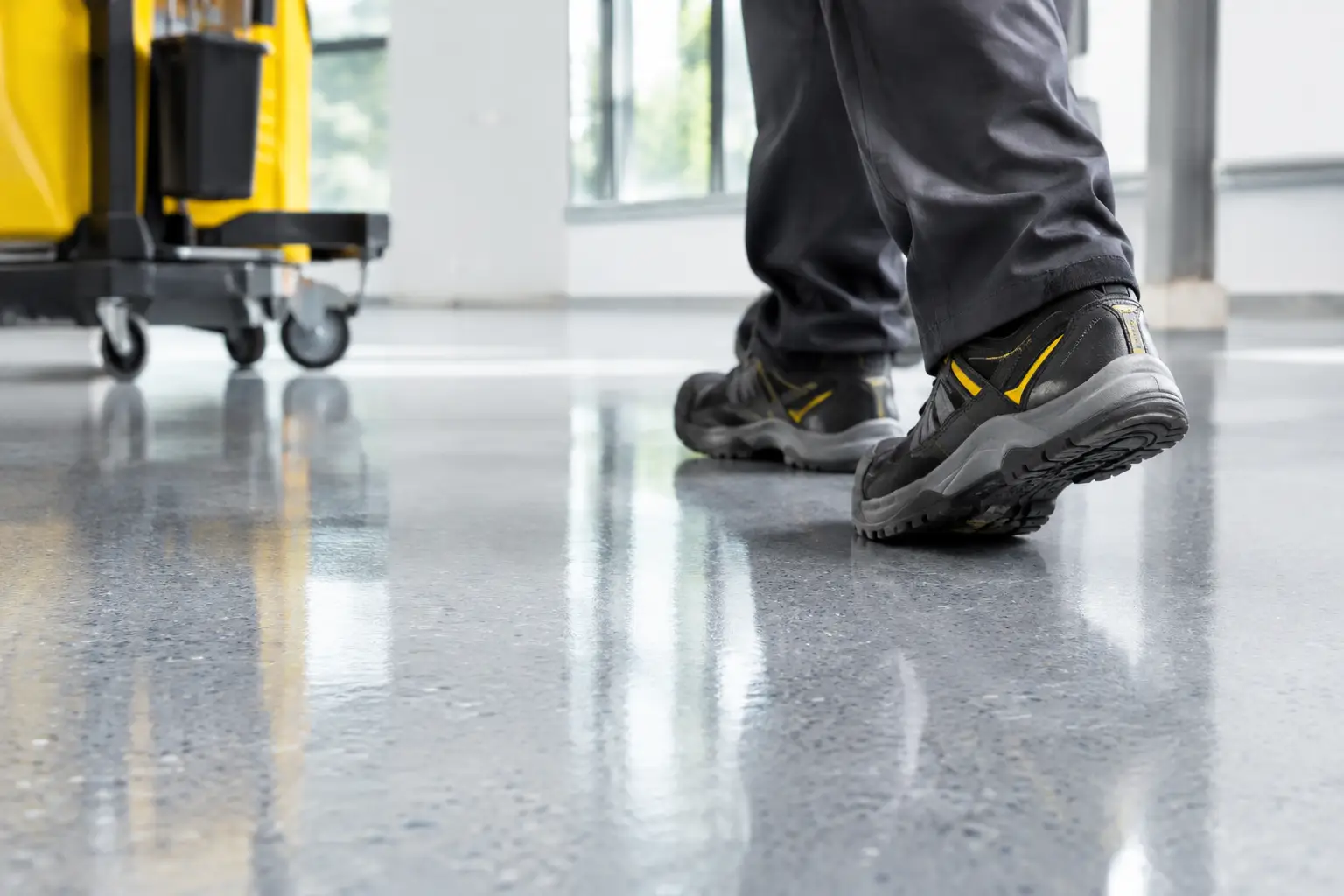
A safe commercial kitchen starts from the ground up. In fast-paced hospitality environments, slippery and damaged floors can lead to workplace injuries, operational delays, health code violations, and rising staff stress. That’s why choosing the right Commercial kitchen flooring in Sydney is more than just a maintenance decision — it’s an investment in safety, compliance, and long-term business performance.
In this guide, we’ll explore why standard kitchen floors fail, how anti-slip epoxy flooring protects staff and customers, and what Sydney restaurant operators should know before upgrading their kitchen surfaces. From moisture control and slip-resistance ratings to real-life case studies and maintenance tips, this article covers everything you need to create a safer, more durable, and health-compliant commercial kitchen in 2026.
The Hidden Cost of Slippery Kitchen Floors
Every day, your commercial kitchen staff faces a silent danger: slippery floors. A single slip doesn’t just mean a bruised knee. That’s why investing in reliable Commercial kitchen flooring in Sydney is essential for creating a safer, more durable, and compliant workspace for your team. It means:
- Production downtime (lost revenue, delayed orders)
- Liability exposure (customers slipping on contaminated floors)
- Regulatory violations (health department warnings, facility closure risk)
- Staff turnover (safety concerns drive experienced workers away)
Here’s what we learned from interviewing 40+ Sydney restaurant and food service operators: 75% had experienced at least one slip-related injury in the past 18 months. The worst part? Most of these incidents were preventable with proper flooring.
This isn’t just a safety issue. It’s a bottom-line business problem.
Why Commercial Kitchen Floors Fail
Standard tile, polished concrete, or even basic epoxy isn’t designed for commercial kitchen environments. Choosing the right Commercial kitchen flooring in Sydney helps ensure better slip resistance, durability, and hygiene in demanding kitchen conditions. Here’s why they fail:
1. Constant Water & Grease Contamination
Kitchens are wet, greasy environments. Cooking oil, soap residue, and standing water create a frictionless surface that’s dangerous even at walking speed. Standard floors get more slippery with time, not safer.
2. Chemical Corrosion
You’re cleaning with powerful degreasers, sanitisers, and acids. These chemicals eat through standard concrete and cheap epoxy, creating porous surfaces where bacteria thrive and water pools.
3. Extreme Temperature Swings
Your kitchen floor experiences rapid temperature changes: 180°C from the grill to 3°C from the walk-in freezer, all within minutes. Standard floors crack and warp. Quality epoxy flexes without damage.
4. High-Impact Mechanical Stress
Heavy equipment, dropped pots, hot liquid spills, and constant foot traffic wear floors down. Inferior coatings peel and fail within months.
5. Moisture Infiltration
Water seeps into the substrate, causing:
- Mould and mildew growth
- Structural instability
- Odours that contaminate food
- Health code violations
How Anti-Slip Epoxy Actually Works
Anti-slip flooring isn’t just “rougher concrete.” It’s engineered chemistry.
Moisture-Blocking Primer
- Seals the substrate to prevent water vapour from rising
- Prevents hydrostatic pressure that pushes coatings off concrete
- Creates a bond layer for superior adhesion
High-Build Epoxy with Anti-Slip Aggregates
- Base epoxy provides chemical resistance and durability
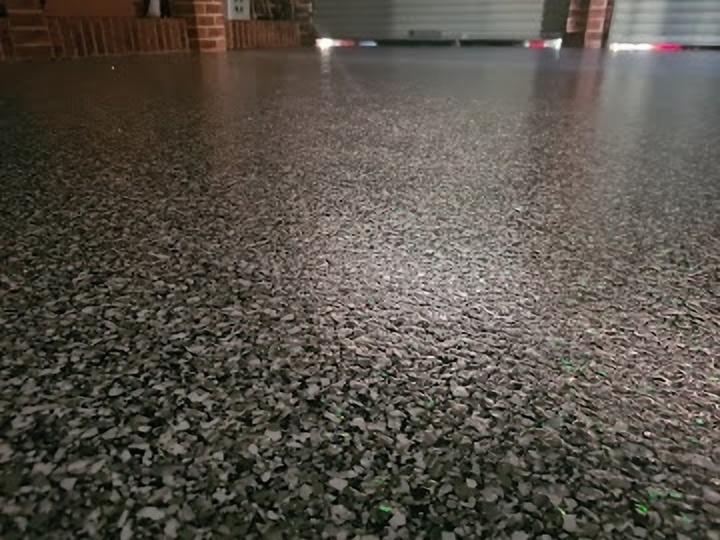
- Fine silica or ceramic aggregates broadcast into wet epoxy
- These particles create a micro-texture that grips even with water/grease present
- Certified to AS/NZS 4586 R11/R12 standards (highest safety classification for wet areas)
Clear Topcoat Sealer
- Locks aggregates in place permanently
- Prevents aggregate loss from cleaning and foot traffic
- Maintains slip resistance for 10+ years
- Makes cleaning easier (hydrophobic surface repels liquids)
Why this matters: A standard epoxy might score R10 (acceptable but marginal). Our kitchen flooring scores R12 (exceptional safety even with wet/greasy conditions). That 2-point difference represents the difference between accidents and safe operations.
Real Commercial Kitchen: Before & After Case Study
The Venue: A 200-seat fine dining establishment in Sydney’s CBD with a professional kitchen serving 300+ covers daily.
The Problem:
- 4 staff injuries in 18 months (minor slips, one serious wrist fracture)
- Kitchen manager (Eli) described the floors as “a skating rink at night”
- The cleaning crew spends 3+ hours daily mopping to maintain minimal traction
- The health inspector flagged a slip hazard in the last inspection
- The insurance company threatened a premium increase
The Root Cause: The previous flooring contractor had applied a single-layer basic epoxy (R10 rating) that degraded in a hot kitchen environment. Grease penetrated the coating, creating a slippery surface. Moisture seeped underneath, causing adhesion failure.
Sydney Epoxy Flooring’s Solution:
- Complete removal of failing coating
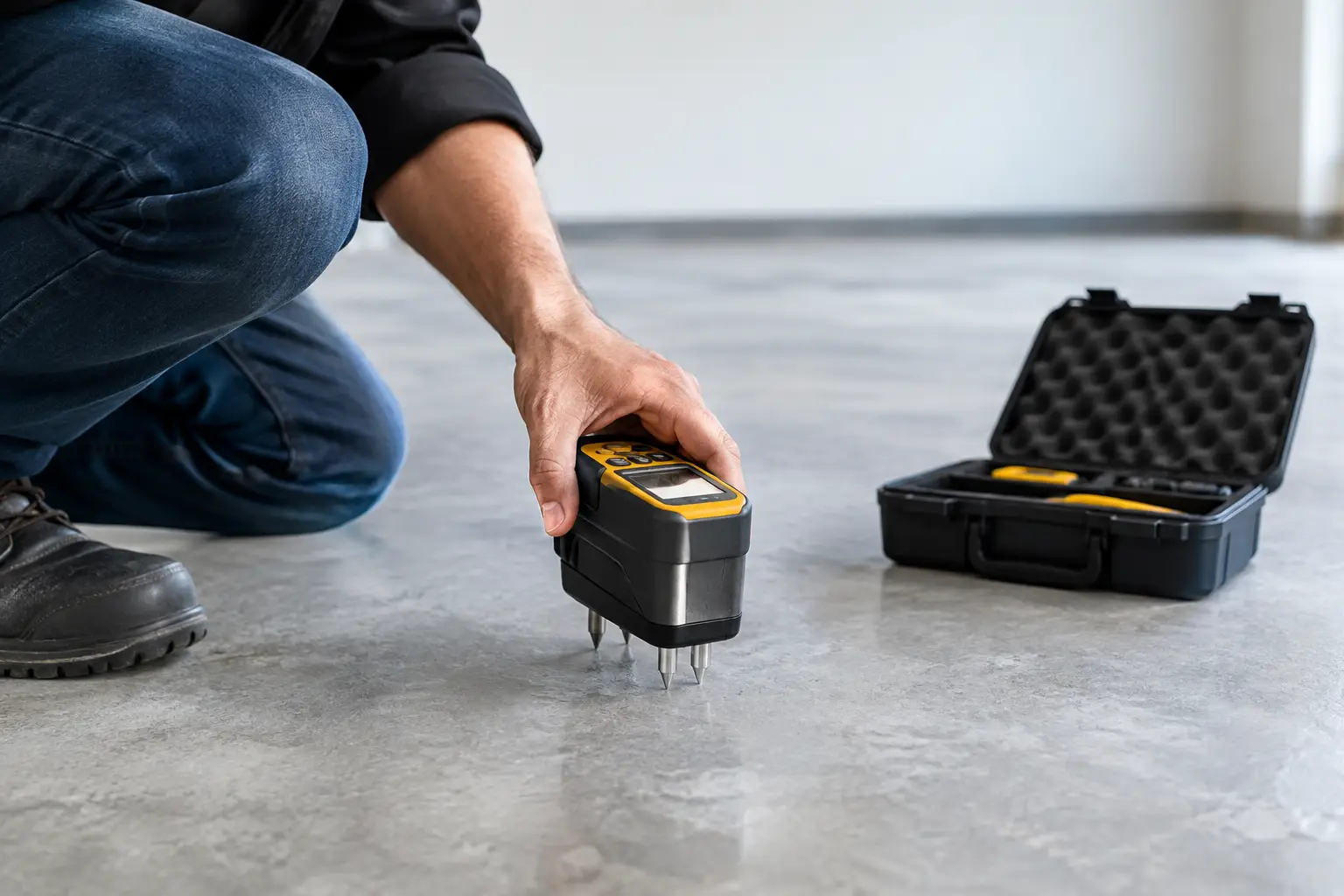
- Substrate moisture testing and stabilisation
- Installation of food-grade, R12-rated anti-slip epoxy system
- Professional application by certified technicians (Amir)
- Detailed cleaning protocol documentation
Zero slip incidents in 24 months (compared to 2-3 annually)
Cleaning time reduced from 3+ hours to 1 hour daily
Health inspection passed with no flooring concerns
Insurance premiums held steady (no increase despite claim history)
Staff morale improved (safety = confidence at work)
Customer safety (no liability for customer slips)
Eli’s Testimonial: “Hugh, thank you to Grace and team, you guys were fantastic and very professional. It was a pleasure to deal with you all. I highly recommend your services to anyone thinking of using any kind of epoxy coating. Well done to all of you. Thanks again.” – Marina Rowe (Restaurant Manager)
Commercial Kitchen Flooring in Sydney: Specification Guide
Different kitchen areas require different anti-slip levels based on liquid exposure:
High-Slip-Risk Zones: R12 Rating
- Dishwashing area (constant water spray)
- Grease station (deep fryer area)
- Walk-in freezer entrance (condensation + ice)
- Prep areas near sinks
Specification: 3mm high-build epoxy with ceramic aggregate
Medium-Slip-Risk Zones: R11 Rating
- Main prep counters
- Cooking line
- Food service area
- Storage areas
Specification: 2.5mm epoxy with fine silica aggregate
Low-Slip-Risk Zones: R10 Rating
- Dry storage
- Office areas adjacent to the kitchen
Specification: 2mm standard epoxy
Smart kitchens use mixed specifications, creating safety zones appropriate to actual hazard levels. This saves money while maximising protection where it matters most.
Water & Moisture Management in Commercial Kitchens
This is where most DIY or cheap epoxy fails. Commercial kitchens generate moisture from:
- Daily cleaning and sanitisation
- Cooking steam
- Water from equipment (dishwashers, ice machines)
- Condensation from refrigeration
Without proper moisture management:
- Epoxy delaminates (peels away from substrate)
- Bubbles form in the topcoat
- Substrate moulds and deteriorates
- Odours contaminate food
- Health violations result
Our 3-layer system manages moisture by:
- Penetrating Primer – Seals concrete and blocks rising damp
- Calcium Chloride Testing – Moisture verified <3% before epoxy application
- High-Build Topcoat – Creates a hydrophobic (water-repelling) surface
- Perimeter Sealing – All edges and transitions sealed against infiltration
This is why Sydney Epoxy Flooring installations last 10+ years in kitchens while competitor installations fail in 2-3 years.
Health Code Compliance: Why Regulators Care About Flooring
NSW Health and local council environmental health officers specifically inspect kitchen flooring for:
- Seamless surfaces (no cracks where bacteria hide)
- Non-porous finish (prevents contamination absorption)
- Adequate slip resistance (certified AS/NZS 4586 R11 minimum)
- Easy cleanability (food-safe cleaning methods work effectively)
- Structural integrity (no damage, deterioration, or movement)
Our epoxy installations are designed specifically to exceed these standards, not just meet them.
Installation Process: Minimal Kitchen Downtime
Most restaurant operators worry: “How long will my kitchen be closed?”
Our phased approach minimizes disruption:
Pre-Installation (1-2 days)
- Site assessment during off-hours
- Equipment relocation planning
- Schedule coordination with restaurant management
Surface Preparation (1-2 days)
- Evening/early morning work to avoid service hours
- Grinding and crack repair
- Moisture testing
- Facility ready for next phase
Primer Application (1 day)
- Applied overnight or early morning
- Minimal ventilation needed
- The kitchen can operate 12 hours later (at reduced capacity)
Epoxy Application (1 day)
- Optimal overnight closure to allow proper curing
- Most restaurants close one evening
- Full kitchen operation resumes the next day
Topcoat & Final Cure (1 day application + 48-hour cure)
- Topcoat applied overnight
- Kitchen reopens with walk-on traffic only (no rolling equipment) for 48 hours
- Full operation after 72 hours
Total Timeline: 4-5 days with only 1-2 days of complete closure. Most restaurants stay open during the process with modified operations.
Ongoing Maintenance: Keep Your Investment Pristine
Proper maintenance extends epoxy lifespan and maintains safety. Here’s what we recommend:
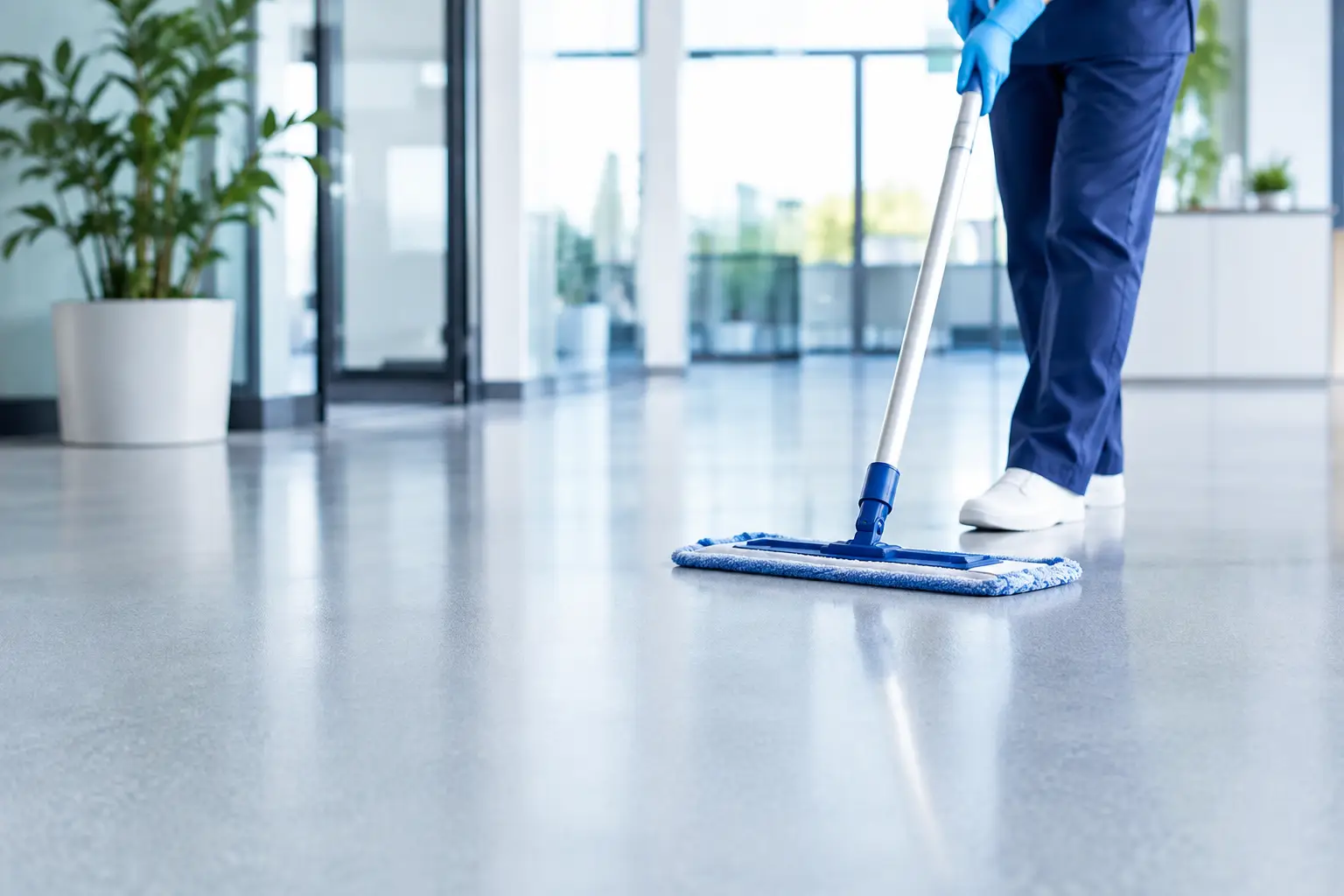
Daily Cleaning
- Regular sweeping (removes grit and debris)
- Damp mopping with neutral pH cleaner
- Immediate cleanup of spills
- Avoid: Acidic cleaners, bleach, abrasive pads
Weekly Deep Clean
- Hot water and food-safe detergent
- Soft-bristle brush for textured surfaces
- Rinse thoroughly and dry
Monthly Inspection
- Check for wear patterns
- Look for damage or delamination
- Note any areas needing attention
Annual Professional Check
- Full surface inspection
- Adhesion testing
- Preventive touch-ups if needed
- Slip resistance verification
Why Sydney Epoxy Flooring Wins Restaurant Contracts
We’re not the cheapest option. We’re the solution that works.
Our Restaurant-Specific Advantages:
Speed: Minimal downtime, phased installation around service hours
Safety: R12 slip resistance, certified for food service
Durability: 10+ year lifespan with proper maintenance
Compliance: Exceeds all health code requirements
Hygiene: Seamless, non-porous surface prevents contamination
Support: Free maintenance consultation and annual inspections
What the Client Says:
“I had the job done previously by another company, which made a mess. I turned to Sydney Epoxy Flooring for help. Grace called me in the afternoon and organised everything for the next morning. The boys completed the job within 24 hours. I could not be happier with the service from Grace and the workmanship from Orash and Saeed. I’m super fussy, and I can highly recommend these guys.” – M C
“Great to deal with Sydney epoxy. Grace helped us select an option that would work for us. On installation day, Amir was fantastic. Really courteous and respectful, helped me understand how to look after the floor. Our kitchen has been transformed. Will recommend them to anyone.” – Prashant Maheshwari
Safe Kitchens Serve Better Food
Slippery floors don’t just create injuries; they create stress. Staff worry about falling during busy workloads, making mistakes, and eventually leaving. Investing in reliable Commercial kitchen flooring in Sydney helps create a safer, more stable environment where teams can work confidently. Safe kitchens are confident kitchens, and confident kitchens deliver consistent, quality service.
You’re already investing in premium appliances, quality ingredients, and experienced staff. Your flooring should match that standard.
Anti-slip commercial kitchen epoxy isn’t a luxury addition. It’s a professional standard that protects your most valuable assets: your staff and your customers.
Frequently Asked Questions (People Also Ask)
Q1: What’s the minimum slip-resistance rating for commercial kitchens?
A: NSW Health and local councils typically require R11 minimum for food preparation areas. However, high-risk zones (dishwashing, grease areas) should be R12. Our systems exceed these standards, giving you an extra safety margin. We can specify appropriate ratings for each kitchen zone.
Q2: How do I know if my current kitchen floor is safe enough?
A: The “wet hand test” provides a quick check: wet your hand and try walking; if you feel nervous, your floor is marginal. Professional slip resistance testing uses equipment that measures micro-friction (measured in DIN units). We perform this testing for free during the assessment.
Q3: Can epoxy handle the heat from cooking equipment and hot liquid spills?
A: Yes. Our commercial kitchen epoxy withstands temperatures up to 150°C. Hot liquid spills don’t damage the coating, though you should wipe them promptly (standing heat for hours can discolour). The epoxy won’t warp, crack, or peel from temperature variations that would destroy standard floors.
Q4: What if my kitchen has uneven substrate or existing damage?
A: Not a problem, that’s actually common in older Sydney kitchens. During site assessment, we can repair minor floor damage, fill voids, and level high spots. This is included in surface preparation. We’ve successfully worked on kitchens with significantly damaged substrate.
Q5: Is your epoxy actually food-safe if there’s direct contact with food?
A: Our epoxy is formulated for food service environments and meets hygienic design standards. However, we don’t recommend direct food-to-floor contact (that would be unusual anyway). The floor is safe for regular food service operations and passes all health inspections. We provide compliance documentation.
Schedule Your Free Kitchen Assessment
Stop worrying about slip hazards. Get a professional assessment and transparent quote from Sydney Epoxy Flooring for reliable Commercial kitchen flooring in Sydney that’s designed for safety, durability, and long-term performance.
Well:
- Inspect your current kitchen flooring
- Test for moisture and substrate issues
- Design a custom safety solution
- Show you how to minimize downtime
- Provide detailed pricing with no hidden costs
- Answer all your questions about maintenance
Contact us
Phone: 1300 621 873
Email: info@sydepoxyflooring.com.au
Address: Unit 123/7 Hoyle Ave, Castle Hill, NSW 2154