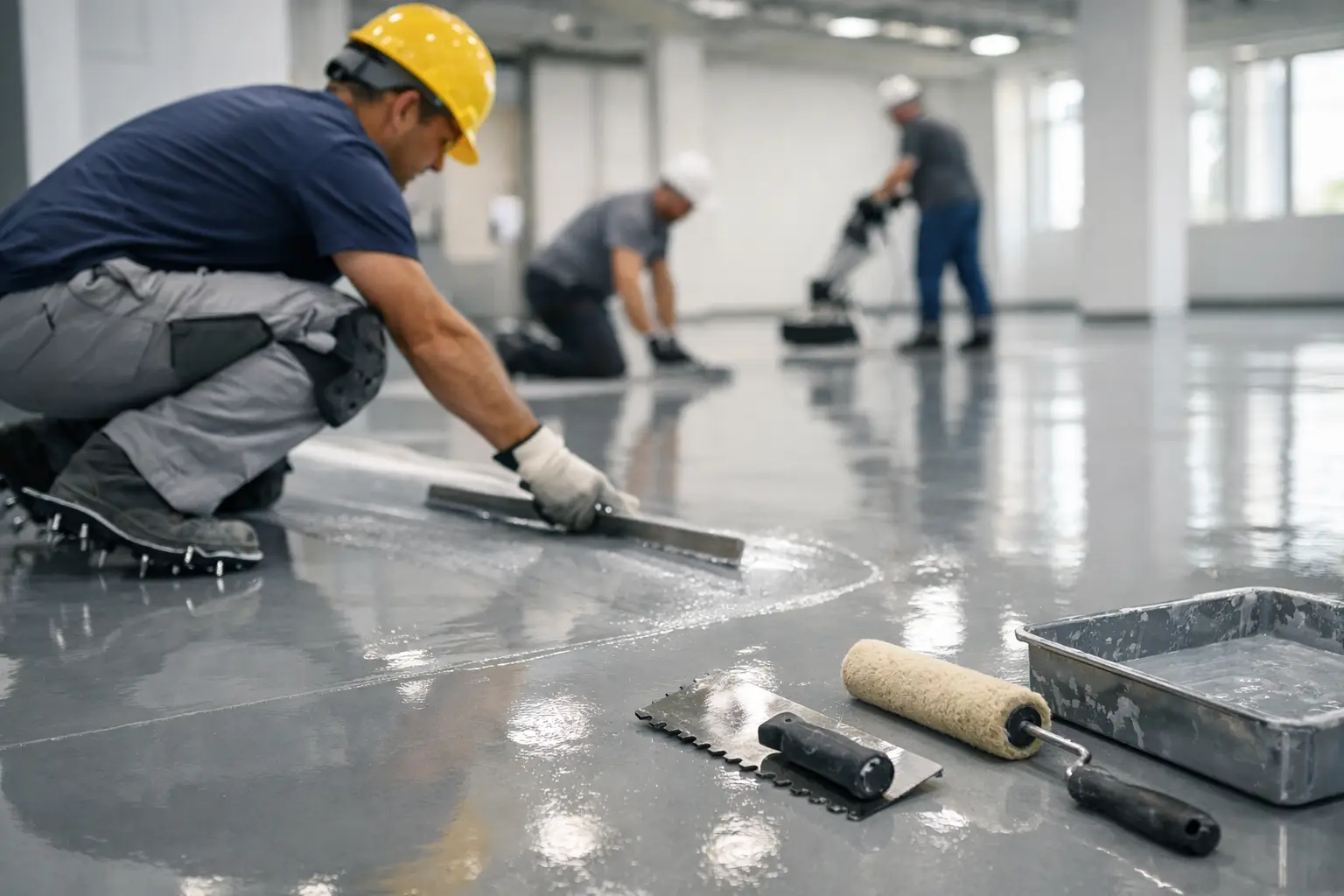
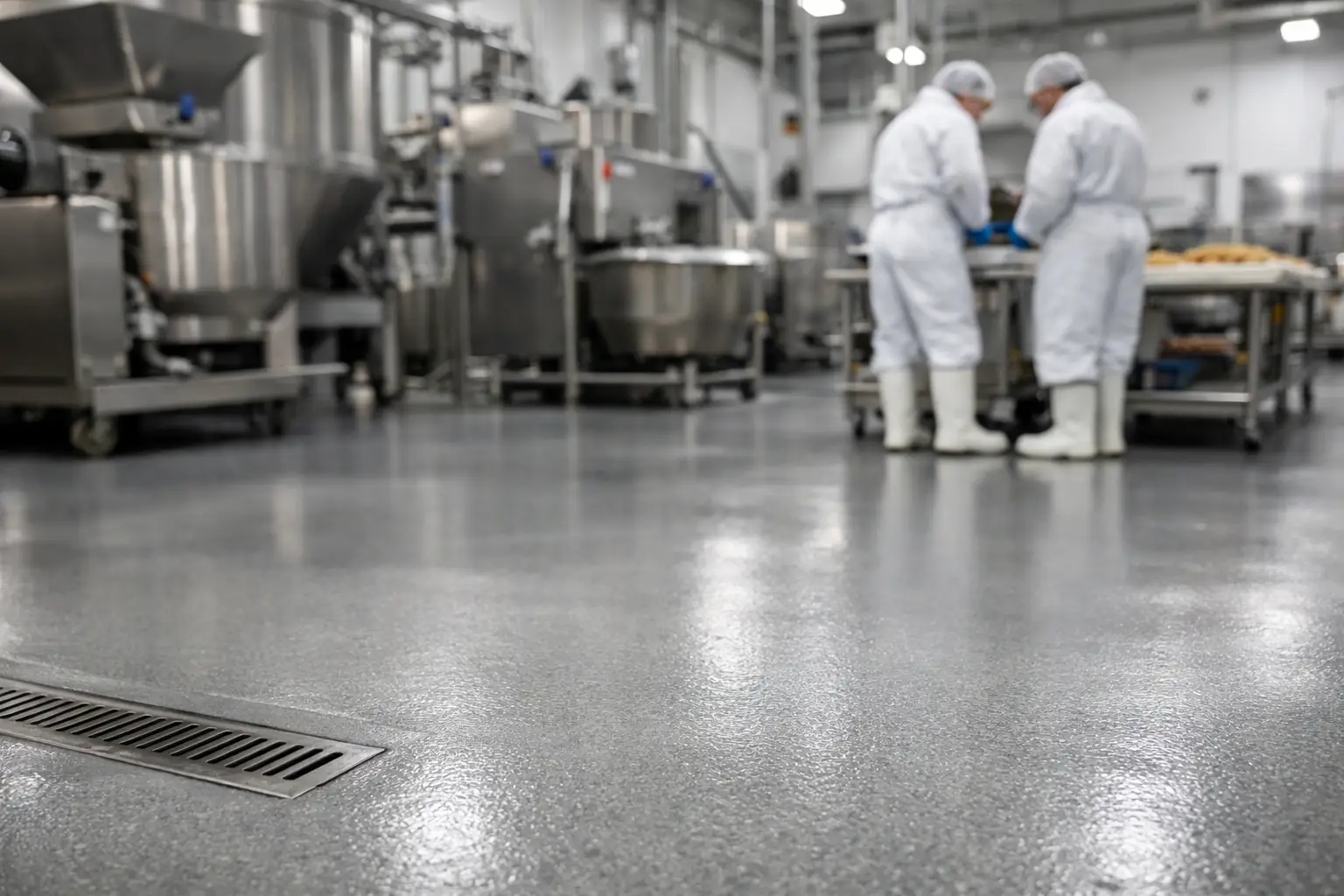
Factory floors cop a hiding every single day. Forklifts, pallet jacks, chemical spills, and constant foot traffic- your floor needs to handle it all without falling apart. Heavy-duty epoxy flooring gives you a surface that stands up to industrial punishment while staying safe and easy to maintain.
If you run a factory in Sydney, the right flooring system isn’t just about looks. It’s about keeping operations running smoothly, protecting your investment, and meeting safety standards. Let’s look at what makes heavy-duty epoxy the go-to choice for industrial facilities across the city.
What Is Heavy-Duty Epoxy Flooring?
Heavy-duty epoxy flooring is a specialised coating system designed for spaces that cop serious wear and tear. It’s made from epoxy resin and hardener that chemically bond to create an incredibly tough surface.
Unlike standard epoxy you might see in a garage, heavy-duty systems are thicker and built with extra reinforcement. They’re engineered to handle the weight of machinery, resist impacts from dropped tools or materials, and stand up to chemical exposure.
Most factory floors in Sydney use either 100% solid epoxy or methyl methacrylate (MMA) systems. These create a seamless, non-porous surface that’s easier to clean and maintain than concrete alone.
Why Factories Choose Epoxy Over Other Flooring Options
Durability That Pays Off
Concrete floors might seem tough, but they crack, dust up, and absorb spills. Epoxy creates a protective layer that extends the life of your concrete slab by decades.
Chemical Resistance
Manufacturing facilities deal with oils, solvents, acids, and other substances that eat away at untreated floors. Heavy-duty epoxy systems resist most industrial chemicals without staining or deteriorating.
Safety Features
Slip resistance is critical in factories. Epoxy can be customized with anti-slip additives and line marking to clearly define work zones, traffic paths, and hazard areas.
Easy Maintenance
A sealed epoxy surface doesn’t trap dirt or bacteria. Spills wipe up easily, and regular cleaning takes less time and fewer chemicals than porous concrete.
Types of Heavy-Duty Epoxy Systems for Industrial Use
Different factories have different needs. Here’s how the main systems compare:
| System Type | Best For | Key Benefit |
| Self-levelling epoxy | Heavy machinery areas | Smooth, level surface |
| Mortar epoxy | High-impact zones | Maximum strength |
| Quartz-filled epoxy | Anti-slip requirements | Texture and durability |
| MMA systems | Cold storage, quick turnaround | Fast cure time |
Self-Levelling Epoxy
This system creates a perfectly flat surface ideal for areas with heavy equipment that needs stable ground. Forklifts and automated machinery run more smoothly on a level floor, reducing wear on wheels and mechanical parts.
Mortar Epoxy Flooring
When you need the toughest surface possible, mortar epoxy is the answer. It’s packed with quartz sand, making it ideal for areas where you drop heavy items or drag pallets across the floor.
Quartz-Filled Systems
These systems combine durability with slip resistance. The quartz aggregate creates a texture that improves traction, which matters in areas where spills happen or workers move quickly.
MMA Fast-Cure Systems
If you can’t shut down for long, MMA systems cure in hours instead of days. They also work in cold environments like cool rooms and freezers, where standard epoxy won’t set properly.
Key Benefits of Heavy-Duty Epoxy Flooring for Sydney Factories
Long-Term Cost Savings
The upfront cost of epoxy flooring pays back through reduced maintenance and longer floor life. You won’t need to resurface or repair as often, and cleaning costs drop because the smooth surface doesn’t harbour grime.
Improved Workplace Safety
Proper floor coatings reduce trip hazards from uneven concrete. Anti-slip properties prevent accidents, and clear line marking helps workers navigate safely around machinery and loading zones.
Better Lighting Efficiency
Epoxy floors reflect light better than raw concrete. This can reduce your lighting costs and create a brighter, more pleasant work environment.
Professional Appearance
A clean, well-maintained floor makes a good impression on clients and inspectors. It shows you take your facility seriously and care about quality standards.
How Heavy Duty Epoxy Flooring Holds Up in Real Factory Conditions
Sydney factories face specific challenges. Summer heat, occasional moisture, and constant use all test your flooring system.
Quality heavy-duty epoxy handles these conditions without breaking down. The chemical bond with the concrete base means it won’t peel or bubble if installed correctly. Temperature fluctuations don’t affect cured epoxy the way they can crack or shift other materials.
High-traffic areas like loading docks and production lines take the most punishment. A properly specified epoxy system in these zones should last 10-15 years or more with basic maintenance.
What About Repairs and Touch-Ups?
Even the toughest floors eventually need attention. The good news is that epoxy can be repaired without replacing entire sections. Damaged areas can be ground back and recoated to blend with the surrounding floor.
This matters because downtime costs money. Quick repairs mean less disruption to your operations.
Choosing the Right Heavy-Duty Epoxy System for Your Factory
Not every factory needs the same flooring solution. Consider these factors:
Your Daily Operations
What kinds of machinery run on your floors? How heavy is the typical load? Chemical-heavy processes need different specs than dry goods manufacturing.
Traffic Patterns
Identify your highest-traffic areas. These zones might need a thicker system or more frequent maintenance than other parts of your facility.
Compliance Requirements
Some industries have specific flooring standards. Food manufacturing, pharmaceuticals, and chemical processing all have regulations about floor finishes and cleanliness.
Budget and Timeline
While epoxy is cost-effective in the long term, installation requires planning. Some systems need several days to cure fully, so factor in production schedules.
Professional Installation Makes the Difference
DIY epoxy might work for a home garage, but factory floors need professional installation. Here’s why that matters.
Surface Preparation
Proper prep is everything. The concrete needs to be ground, cleaned, and checked for moisture. Any cracks or damage must be repaired before coating. Rushed prep leads to early failure.
Environmental Control
Temperature and humidity affect how epoxy cures. Professional installers monitor conditions and adjust accordingly to ensure proper bonding and finish.
System Selection
Experienced contractors help you choose the right thickness, resin type, and finish for your specific use case. They’ve seen what works in different Sydney industrial settings.
Quality Assurance
Professional installation comes with warranties. You get documentation for compliance purposes and backup if something goes wrong.
What to Expect During Installation
Understanding the process helps you plan around it.
Day 1: Preparation
The crew grinds the concrete surface to create a profile for bonding. They remove any existing coatings, repair cracks, and clean thoroughly. This creates dust, so nearby work areas may need protection.
Day 2: Primer and Base Coat
A primer seals the concrete and improves adhesion. Then the base epoxy coat goes down. This layer needs time to cure before the next step.
Day 3: Top Coats and Finish
Additional layers build up the system thickness. Anti-slip additives or decorative elements get added at this stage. The final clear coat provides extra protection and sheen.
Cure Time
Light foot traffic might be okay after 24 hours, but full industrial use typically requires 5-7 days for complete cure. Fast-cure systems reduce this significantly.
Maintenance Tips to Extend Your Floor’s Life
Heavy-duty epoxy is low-maintenance, but not no-maintenance.
Regular Cleaning
Sweep daily to clear away dirt and debris that could damage the surface.
Mop with a pH-neutral cleaner as needed. Use gentle, non-abrasive cleaners to preserve the finish over time.
Quick Spill Response
Even though epoxy is chemical-resistant, promptly cleaning spills helps prevent stains or surface damage.
Periodic Inspections
Check high-traffic areas for wear. Catching small issues early means simple repairs instead of major work.
Scheduled Recoating
Even the best systems need a refresh eventually. Applying a new top coat every 5–10 years keeps your floor looking and performing like new.
Why Sydney Factories Trust Local Epoxy Specialists
Choosing a local contractor who knows Sydney’s industrial areas makes a real difference. They understand local building codes, work with familiar suppliers for faster delivery, and can respond quickly if you need follow-up service.
Sydney’s industrial zones, from Bankstown to Smithfield, Alexandria to Auburn, each have unique characteristics. Local specialists know what works in different facility types and can reference similar projects in your area.
We’ve been installing heavy-duty epoxy flooring systems across Sydney for years. Our team handles everything from initial assessment to final cure, working around your production schedule to minimise disruption. We’re licensed, insured, and focused on delivering floors that perform exactly as promised.
Common Questions About Heavy Duty Epoxy Flooring
How long does heavy-duty epoxy flooring last in a factory?
With proper installation and maintenance, expect 10-15 years or more. High-traffic zones may need recoating sooner, but the base system remains solid for decades.
Can epoxy be applied over existing coatings?
In some cases, yes, depending on what’s there and its condition. Usually, it’s better to remove old coatings completely to ensure proper bonding with the concrete.
What’s the cost difference between standard and heavy-duty epoxy?
Heavy-duty systems cost more upfront due to thicker applications and specialised materials. Figure roughly 50-100% more than basic garage epoxy, but the durability justifies the investment.
How do I know which system my factory needs?
A professional assessment looks at your traffic patterns, chemical exposure, load requirements, and budget. There’s no one-size-fits-all answer; it depends on your specific operations.
Does epoxy work in areas with forklift traffic?
Absolutely. That’s exactly what heavy-duty systems are designed for. Mortar, epoxy, or thick self-levelling systems handle forklift traffic without problems.
What happens if the floor gets damaged?
Damaged sections can be ground down and recoated to match the surrounding floor. You don’t need to replace the entire surface for localised damage.
Making the Smart Choice for Your Factory Floor
Your factory floor is a working asset, not just a surface to walk on. The right heavy-duty epoxy flooring system protects your concrete investment, improves safety, and reduces long-term costs.
Sydney’s manufacturing and industrial sectors depend on reliable infrastructure. When your floor can handle everything your operations throw at it, you spend less time worrying about maintenance and more time focusing on production.
If you’re ready to upgrade your factory floor or need expert advice on the best system for your facility, get in touch. We’ll assess your space, explain your options clearly, and deliver a floor that stands up to whatever your business demands. Contact us today.
Phone: 1300 621 873
Email: info@sydepoxyflooring.com.au
Address: Unit 123/7 Hoyle Ave, Castle Hill, NSW 2154