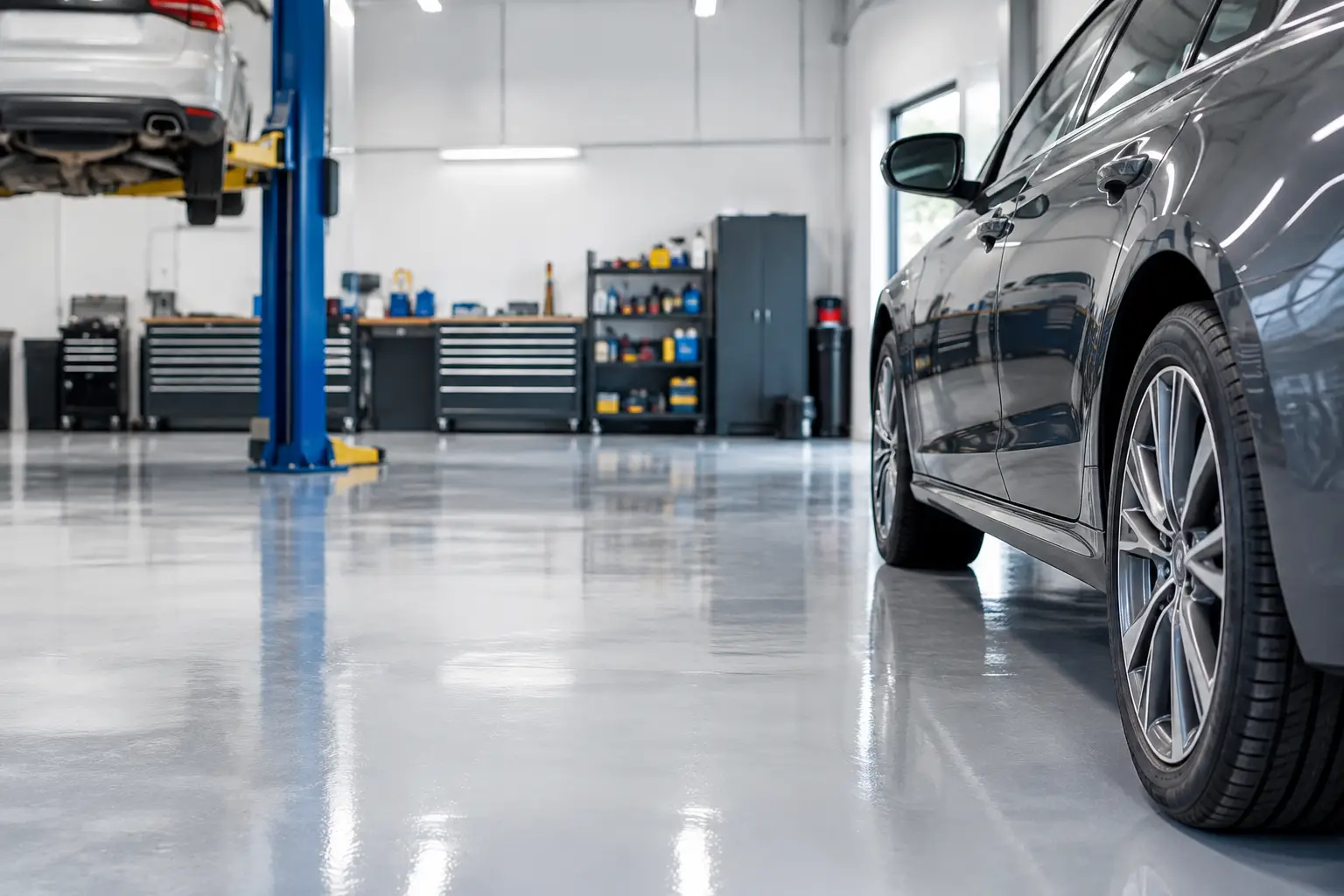
Choosing the right floor system for a warehouse is not just a matter of aesthetics — it’s a strategic decision that affects safety, durability, maintenance costs, productivity, and the long-term operational efficiency of your business. In Sydney’s competitive industrial landscape, warehouse owners must consider the growing demands of logistics, heavy machinery use, high foot traffic, forklift movement, and strict occupational health and safety standards.
For decades, traditional concrete floors have been the baseline choice due to low upfront costs. However, more warehouses are turning to industrial epoxy flooring for its performance advantages. This article explores key differences between industrial epoxy flooring vs traditional concrete floors, helping you determine which is best for your Sydney warehouse.
Target Keywords:
industrial epoxy flooring, epoxy flooring Sydney, industrial floor coating, warehouse epoxy flooring, concrete floor vs epoxy, epoxy coating benefits, Sydney warehouse flooring, heavy-duty flooring solutions.
The Problem: Why Warehouse Flooring Matters
Warehouse environments are tough on floors. They require surfaces that can withstand:
- Heavy vehicle traffic (forklifts, trucks, pallet jacks)
- Impact from dropped goods and machinery
- Chemical spills, oil, and grease
- Moisture and humidity variations
- Intensive daily wear and tear
Limitations of Traditional Concrete Flooring
Concrete is inherently strong but not invincible. Uncoated concrete floors in warehouses can develop serious issues over time:
- Surface cracking and spalling
- Dusting and cement degradation
- Staining from chemicals, oils, and water
- Porosity that traps debris and bacteria
- Uneven wear leading to safety hazards
These issues lead to higher maintenance costs, more frequent downtime, and safety concerns for staff — impacting productivity and profitability.
The Solution: Industrial Epoxy Flooring
Industrial epoxy flooring is not just a cosmetic upgrade — it’s a complete transformation of your warehouse surface. Designed for heavy-duty environments, epoxy flooring systems provide:
- High chemical resistance
- Superior impact and abrasion resistance
- Seamless, non-porous surface
- Enhanced safety and slip resistance
- Easy cleaning and maintenance
In moisture-prone environments or areas where hygiene is critical (e.g., food distribution, pharmaceuticals), epoxy coatings outperform bare concrete by sealing pores and preventing contamination.
At SyDepoxyFlooring.com.au, we specialise in industrial epoxy flooring and coatings tailored to warehouse operations across Sydney.
Industrial Epoxy Flooring vs Traditional Concrete Floors: Head-to-Head
Whether you are building a new warehouse or upgrading your existing flooring, it’s critical to understand how each material performs in high-stress industrial environments.
Comparison Table: Epoxy Flooring vs Concrete
| Feature / Criterion | Industrial Epoxy Flooring | Traditional Concrete Flooring |
| Durability | Excellent — resists abrasion, impact, chemicals | Good — subject to cracking and wear |
| Maintenance | Low — easy to clean and repair | High — frequent repairs and cleaning |
| Chemical Resistance | High — impervious to oils, solvents | Low — absorbs spills and stains |
| Slip Resistance | Customisable anti-slip textures | Dependent on surface finish |
| Lifespan | 10-20+ years with proper care | 5-10 years under heavy use |
| Cost | Moderate initial investment with low lifetime cost | Lower initial cost but high lifetime cost |
| Aesthetics | Multiple colours, finishes, logos | Limited visual appeal |
| Hygiene | Seamless, non-porous | Porous — harbour dust and contaminants |
| Downtime for Installation | Moderate | Fast initial pour but long cure for heavy use |
| Safety Features | Optional safety demarcation & reflective surfaces | Only basic surface unless treated |
Core Benefits of Industrial Epoxy Flooring
1. Exceptional Durability and Load Resistance
Epoxy coating bonds with concrete at the molecular level, creating a reinforced surface capable of handling forklift traffic, heavy storage racks, and dropped pallets without cracking or chipping.
2. Chemical & Stain Protection
Warehouses often encounter chemical exposure — from lubricants to cleaning agents. Epoxy flooring is chemically resistant, preventing surface discoloration and deterioration.
3. Easy Maintenance & Cleaning
A seamless epoxy surface eliminates grout lines and pores, making it simple to sweep, mop, or wash — critical for facilities focused on hygiene and safety.
4. Safety Enhancements
Epoxy systems can include anti-slip additives, coloured zones, and floor striping to define walkways, hazardous areas, and loading zones — reducing workplace incidents.
5. Long-Term Cost Savings
While epoxy may cost more upfront than plain concrete, it significantly reduces maintenance, repair, and downtime costs over the life of the floor.
When Concrete Alone May Fall Short
Plain concrete may be suitable for low-traffic areas of a warehouse, but in high-demand zones, it often leads to:
- Dust generation which affects air quality and machinery
- Absorption of oils and moisture that weakens the slab
- Frequent resealing and patch repairs
- Safety hazards from uneven surfaces
For warehouses prioritising durability and long-term performance, epoxy overlays or coatings are a smart choice.
Industrial Epoxy Flooring Options for Sydney Warehouses
At SyDepoxyFlooring.com.au, we offer tailored solutions, including:
- Self-Leveling Epoxy Floors – Perfect for smooth, flat surfaces with high load tolerance.
- Epoxy Flake Systems – Adds decorative finishes and slip resistance.
- High-Build Epoxy Coatings – Extra thickness for heavy traffic zones.
- Anti-Static Epoxy – Essential for areas with sensitive electronics or static discharge concerns.
- Moisture-Mitigating Systems – Ideal for older slabs prone to moisture migration.
Each system is engineered to maximise performance while meeting the specific needs of Sydney’s warehouse environments.
Cost Considerations
Budget planning for warehouse flooring requires understanding both initial installation costs and lifecycle value:
Concrete Floor Costs
- Lower initial installation
- Potentially higher costs over time due to repairs, sealing, and maintenance
- May require additional coatings for protection
Industrial Epoxy Flooring Costs
- Higher initial investment than plain concrete
- Long-term savings with fewer repairs, less downtime, and reduced maintenance
- Added value with safety, aesthetics, and functionality enhancements
From a long-term ROI perspective, epoxy floors are often more cost-effective for high-usage warehouses.
Installation Process: What to Expect
Proper installation is crucial to performance. Here’s the typical epoxy flooring workflow:
- Substrate Inspection & Repair
Cracks, pits, and joints are assessed and repaired. - Surface Preparation
Grinding or shot blasting removes contaminants and profiles the concrete for adhesion. - Primer Application
Enhances bonding strength. - Epoxy Coating or System Application
Multiple coats applied depending on system chosen. - Optional Topcoat & Additives
Anti-slip aggregates or UV-resistant topcoats for shine and protection. - Curing Time
Warehouse operations resume after the epoxy cures, typically within 24-72 hours depending on system and weather conditions.
Professional installation ensures performance, warranty protection, and safety.
Why Sydney Warehouse Owners Are Choosing Epoxy Flooring
Sydney’s industrial hubs are evolving — warehouses must support faster logistics, tighter safety regulations, and more sophisticated operations. Industrial epoxy flooring delivers:
- Better surface performance under heavy loads
- Enhanced safety for staff
- Improved cleanliness and hygiene
- Lower total cost of ownership
- A more professional appearance for clients and visitors
Epoxy floors are no longer a luxury — they are becoming the standard for warehouses that demand efficiency and longevity.
10 Most Asked Questions (FAQs)
1. What is industrial epoxy flooring?
Epoxy flooring is a resin-based coating applied over concrete to create a durable, seamless, and chemically resistant surface suited for warehouses.
2. How long does epoxy flooring last compared to concrete?
Properly installed epoxy floors can last 10–20 years or more under heavy use, significantly longer than untreated concrete in high-traffic areas.
3. Is epoxy flooring suitable for all warehouse environments?
Yes — especially high-traffic, heavy-load, chemical exposure, and moisture-prone areas.
4. Can epoxy flooring handle forklift traffic?
Yes — industrial epoxy systems are designed to withstand repeated forklift and machinery loads without damaging the surface.
5. How does epoxy flooring compare to polished concrete?
Polished concrete improves aesthetics and dust control but lacks the chemical resistance, impact protection, and seal of an epoxy surface.
6. Is epoxy flooring easy to maintain?
Yes — the seamless surface resists dust and stains and can be easily cleaned with standard warehouse cleaning tools.
7. Will epoxy flooring crack like concrete?
Epoxy can bridge minor cracks, but significant slab movement may eventually show hairline cracks. Proper substrate preparation minimises this risk.
8. How long does installation take?
Installation time varies by system and warehouse size, but most epoxy coatings cure in 1–3 days before full service use.
9. Are there colour and finish options available?
Yes — epoxy systems can be customised for colours, flake patterns, anti-slip textures, and specialised finishes.
10. Does epoxy flooring improve workplace safety?
Absolutely — epoxy systems can include anti-slip additives and zone colouring to reduce accidents and improve navigation.
Which Flooring Is Better for Sydney Warehouses?
Both traditional concrete and industrial epoxy flooring have roles in warehouse environments. However, for high-performance, high-traffic operations in Sydney, industrial epoxy flooring clearly outperforms traditional concrete floors in durability, safety, chemical resistance, maintenance, and long-term value.
If you want a flooring solution that enhances operations, reduces long-term costs, and improves workplace safety — industrial epoxy flooring is the superior choice.
Phone: 1300 621 873
Email: info@sydepoxyflooring.com.au
Address: Unit 123/7 Hoyle Ave, Castle Hill, NSW 2154