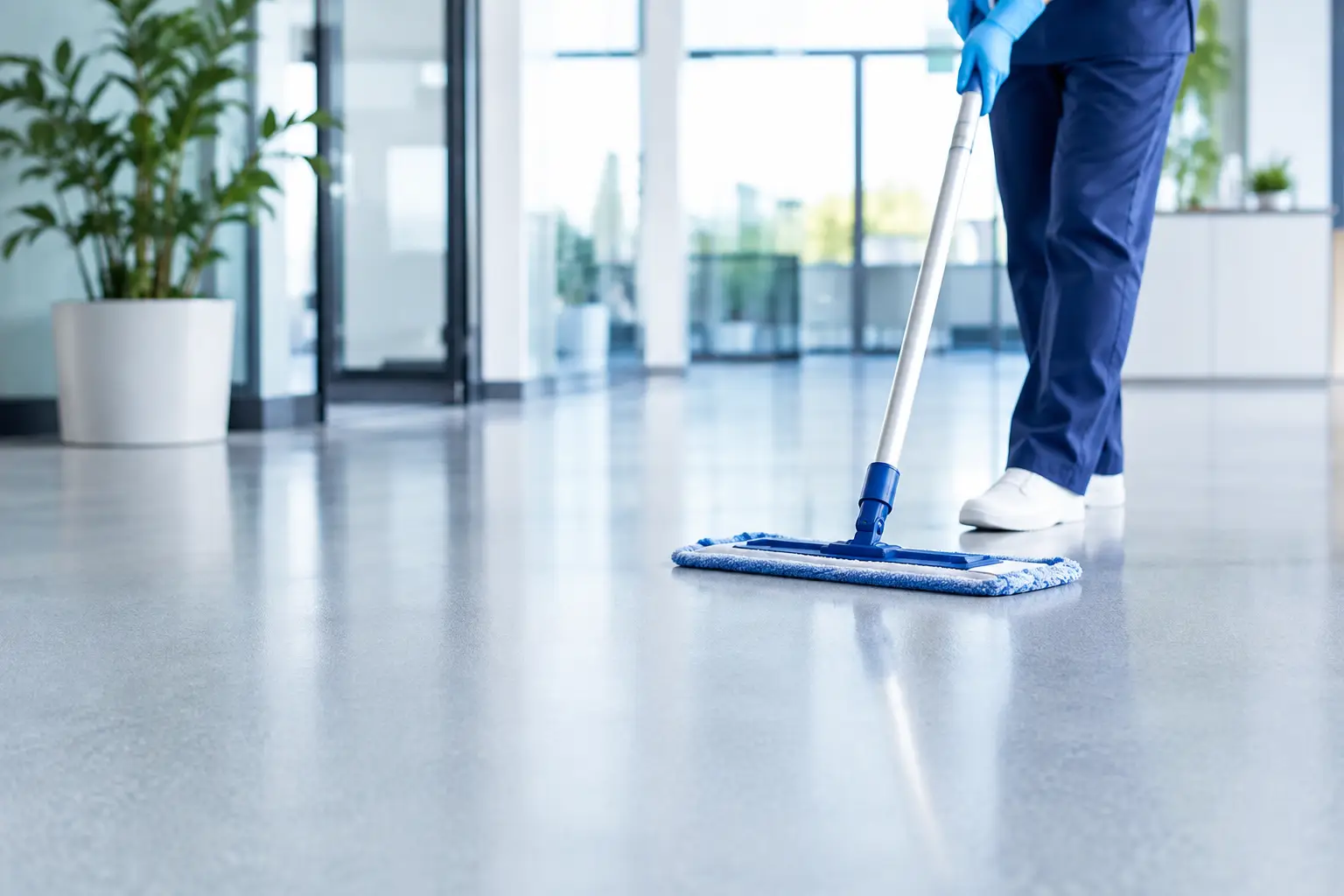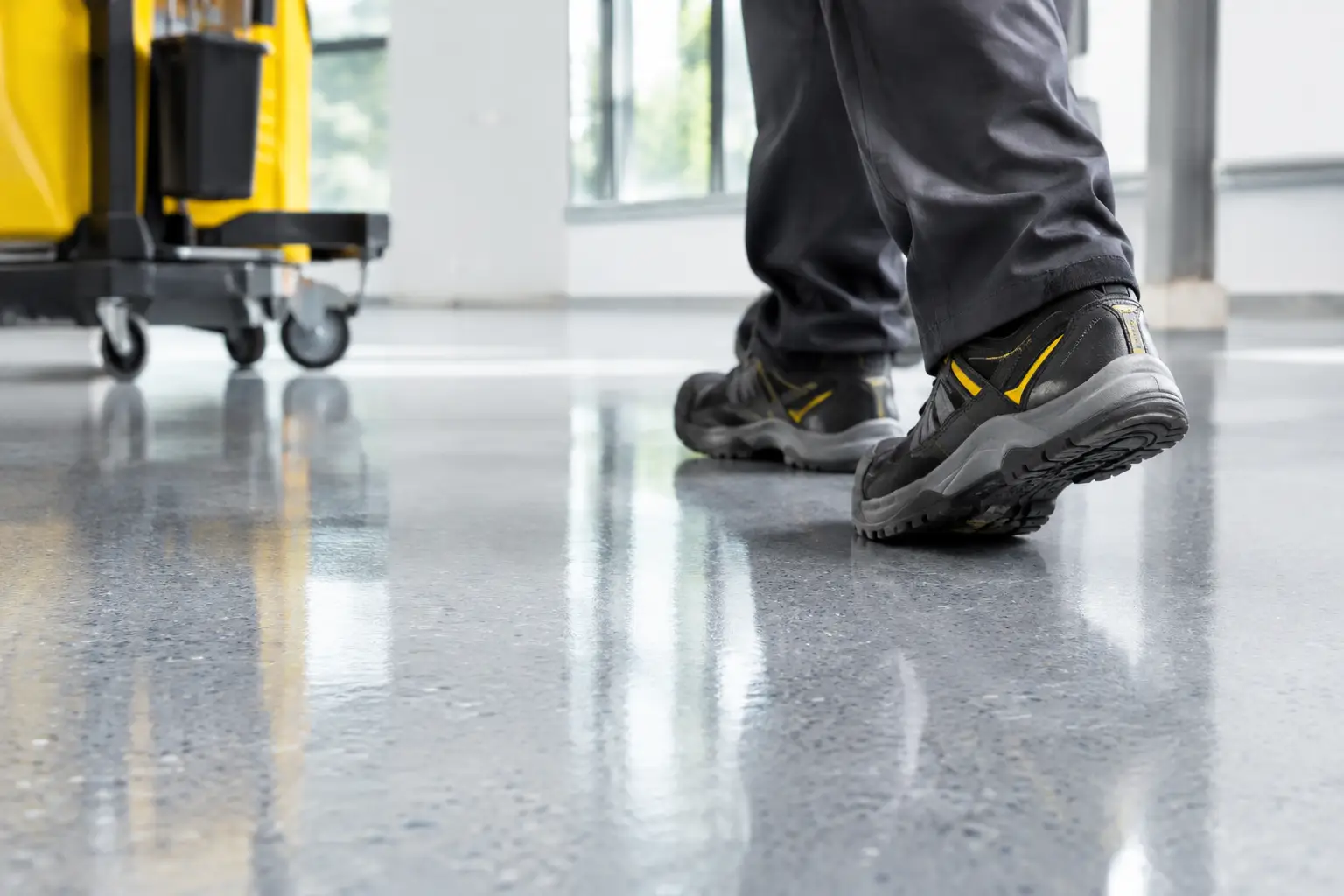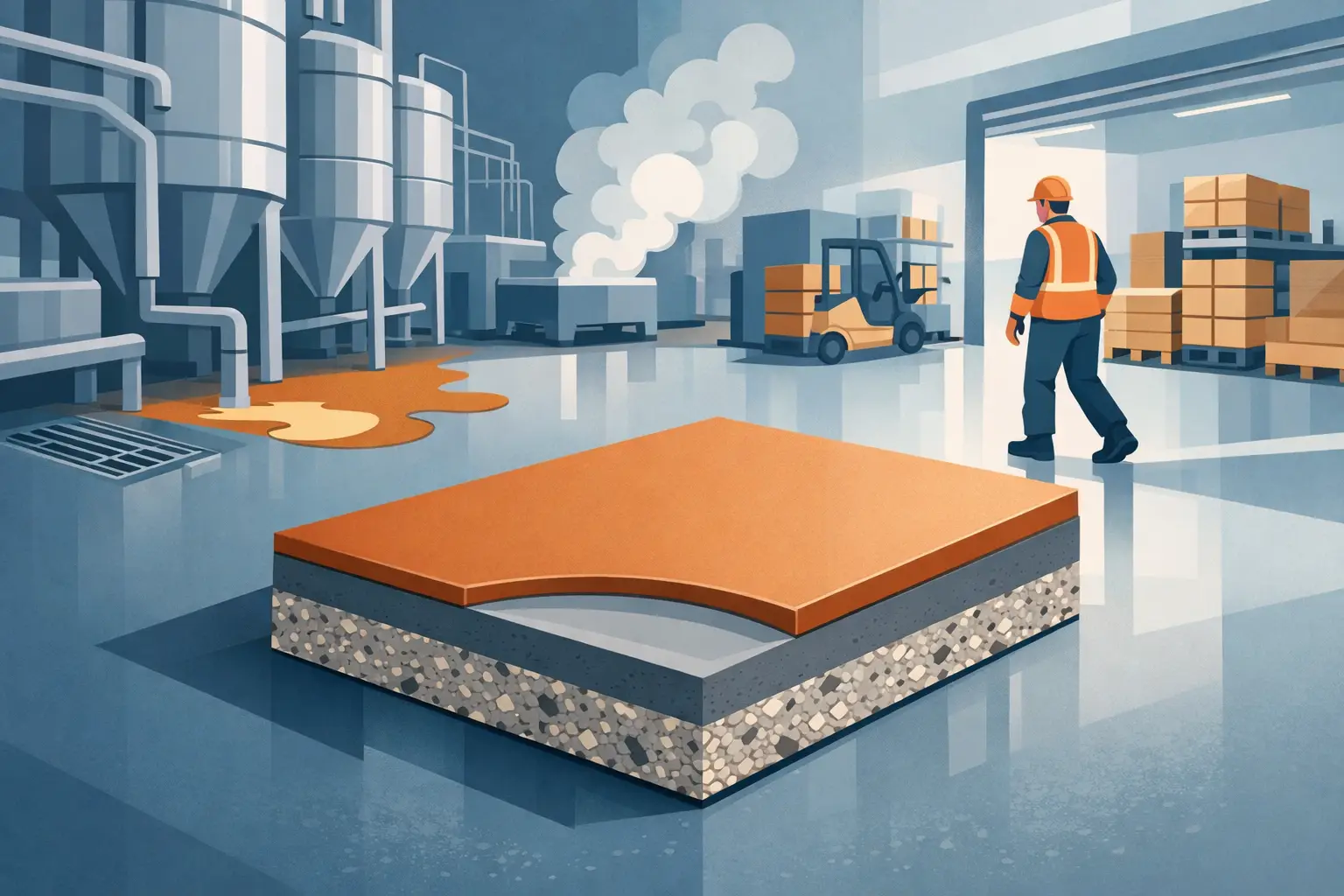
A floor failure in a busy kitchen, processing area, or workshop rarely starts with a dramatic crack. It starts at the edges, around drains, beneath standing water, or in the small areas where hot washdowns and chemical spills repeatedly test the surface. Polyurethane cement flooring is designed for these demanding conditions, providing a hard-wearing resin system that can handle thermal movement, moisture exposure, impact, and aggressive cleaning better than many conventional coatings.
For facility managers, builders, and business owners, the key question is not whether polyurethane cement is a premium flooring option. It is whether the floor has conditions that justify its performance characteristics. When the answer is yes, selecting the correct system and preparing the concrete properly can reduce maintenance issues, improve slip safety, and keep operations moving.
What Is Polyurethane Cement Flooring?
Polyurethane cement, also called urethane cement, is a resin flooring system made by combining polyurethane resin with cement, aggregates, and other performance additives. Once installed and cured, it forms a dense, durable surface bonded to the prepared concrete substrate.
It is not the same as a standard polyurethane topcoat applied over epoxy. Polyurethane cement is generally installed as a thicker, cementitious system, often built to suit the level of traffic, impact, chemical exposure, and thermal stress on site. The finish can be smooth, lightly textured, or heavily broadcast with aggregate where additional slip resistance is required.
Its major advantage is its ability to perform in areas where the concrete and coating are exposed to rapid temperature changes. A hot washdown on a cold floor can cause ordinary coatings to expand and contract at a different rate from the concrete below. Over time, that movement may lead to cracking, debonding, or edge failure. Polyurethane cement is formulated to manage this type of stress more effectively.
Where Polyurethane Cement Performs Best
This flooring is most often specified for hard-working commercial and industrial environments rather than decorative residential spaces. It is particularly suited to food and beverage facilities, commercial kitchens, breweries, cold storage areas, laboratories, workshops, loading zones, and manufacturing plants.
In a commercial kitchen, for example, the floor may face hot oils, food acids, detergents, grease, wet footwear, and regular washdowns. In a beverage facility, it may be exposed to sugar, acids, water, wheeled equipment, and frequent cleaning. A warehouse or workshop may place more emphasis on forklift traffic, dropped tools, abrasion, and chemical spills. Each environment has different risks, which is why one generic coating specification is rarely the right answer.
Polyurethane cement can also be a strong option around drains, wash bays, and wet processing areas where moisture management is critical. It can be installed with appropriate falls, coving, and transitions to support cleaning and reduce areas where contaminants can collect. The flooring system must work with the drainage design, not simply cover the slab around it.
The Performance Benefits That Matter on Site
The value of polyurethane cement is practical. It is built for floors that need to remain serviceable under conditions that would quickly wear down lighter-duty coatings.
Thermal shock and temperature resistance
Rapid temperature change is one of the clearest reasons to consider polyurethane cement. Facilities using steam cleaning, hot-water washdowns, ovens, freezers, or cold storage may experience thermal cycling throughout the day. A correctly specified system helps accommodate movement between the floor finish and the concrete substrate.
This does not mean every polyurethane cement floor is suitable for every temperature range. System thickness, aggregate blend, substrate condition, and exposure type all affect performance. A site assessment should establish whether the floor will encounter hot water, dry heat, freezing temperatures, or repeated temperature swings.
Chemical and moisture resistance
Polyurethane cement systems can resist many of the chemicals encountered in industrial and food-service environments, including cleaning solutions, oils, greases, and selected acids. Resistance is never a blanket promise. Chemical concentration, contact time, cleaning frequency, and temperature all matter.
Moisture tolerance is another important benefit. Concrete slabs can retain or transmit moisture, particularly in older buildings or ground-level facilities. While moisture testing and preparation remain essential, polyurethane cement can be more forgiving than some resin systems when substrate moisture is a concern. It is still not a substitute for diagnosing hydrostatic pressure, failed vapor barriers, or structural water ingress.
Impact, abrasion, and slip resistance
Heavy cart traffic, pallet jacks, equipment movement, and dropped tools place constant stress on industrial floors. A properly built polyurethane cement system offers substantial resistance to abrasion and impact, helping it retain its finish in active work areas.
Slip resistance can be adjusted through the texture and aggregate profile. More texture may improve traction in wet areas, but it can also make cleaning more involved. The right balance depends on footwear, contaminants, cleaning methods, and whether wheeled equipment operates in the space. A floor that is too smooth can be unsafe when wet; a floor that is too aggressive can hold dirt and increase maintenance time.
Thickness and Finish Should Match the Environment
Polyurethane cement is not a one-thickness product. Thin applications may suit moderate-duty spaces with limited impact and thermal exposure, while thicker mortar systems are used where the floor must withstand heavier traffic, stronger mechanical stress, or more severe temperature changes.
Color is usually selected for visibility, cleanliness, and practical maintenance rather than decoration alone. Medium tones can help conceal everyday marks, while lighter colors may improve brightness in a production area. Safety zones, walkways, and equipment locations can be defined with line marking where required.
In wet or hygiene-sensitive areas, floor-to-wall coving may be included to create a more cleanable transition. This reduces sharp corners where water and debris can accumulate. Details such as cove height, drain terminations, expansion joints, door thresholds, and equipment bases should be resolved before installation begins. These are often the points where a floor either performs well for years or begins to fail early.
Installation Depends on Surface Preparation
Even the best resin materials cannot compensate for poor substrate preparation. Concrete must be assessed for strength, contamination, cracking, moisture conditions, previous coatings, and flatness before a system is selected.
The installation process typically begins with a site consultation and floor audit. The contractor identifies the operating conditions, reviews access and downtime requirements, and checks the slab for defects or contamination. Surface preparation may include mechanical grinding, shot blasting, crack repair, removal of failed coatings, cleaning, and priming as required.
Preparation creates the profile needed for the polyurethane cement to bond securely to the concrete. Oil-contaminated slabs, weak surface laitance, unaddressed cracks, and moisture-related damage need attention before application. Applying a new system over these issues may make the floor look better temporarily, but it will not resolve the underlying cause of failure.
Once the substrate is ready, the material is mixed and installed in controlled stages. The contractor builds the chosen thickness, applies texture or aggregate where specified, finishes edges and coves, and allows the floor to cure according to the product system and site conditions. Final inspection should confirm coverage, finish consistency, drainage transitions, and any required line marking or safety details.
Planning Around Downtime and Operations
A high-performance floor still needs a realistic installation window. Preparation work can be noisy and dusty without proper containment, while curing times affect when the area can return to foot traffic, equipment traffic, washdown, or full chemical exposure.
For an operating facility, project planning should account for staging, access routes, equipment relocation, food-safety controls where applicable, ventilation, and the sequence of other trades. Fast-return systems may be available for tight shutdown periods, but the selection should be based on the actual site requirements rather than speed alone.
Sydney Epoxy Flooring approaches these projects as complete flooring scopes, from inspection and preparation through application, curing, and final review. This helps ensure the material, surface profile, thickness, and finish are aligned instead of treated as separate decisions.
Is Polyurethane Cement the Right Choice?
Polyurethane cement is an excellent fit when a floor faces heat, washdowns, chemicals, moisture, heavy traffic, or repeated impact. It may be more performance than a dry, light-duty storage room needs, where a standard epoxy system could provide a more cost-effective result. Conversely, a decorative garage or retail space may prioritize appearance and UV stability, making a different resin system more suitable.
The best flooring decision begins with the conditions beneath your feet: what contacts the floor, how it is cleaned, how hot or cold it gets, how traffic moves across it, and how much downtime the business can accept. When those details are clear, the right polyurethane cement system becomes a dependable working surface rather than an expensive guess.