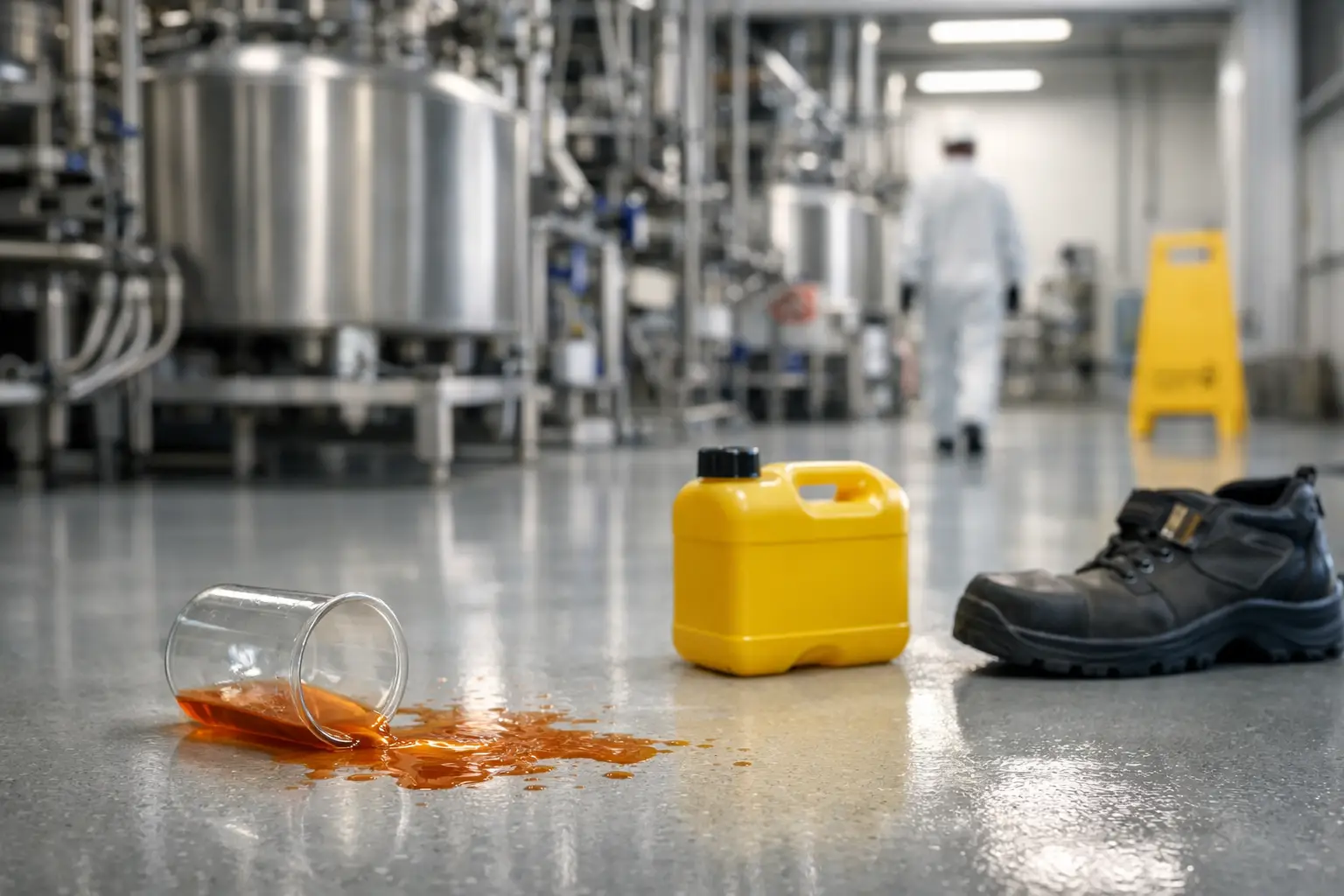
In the meat and poultry processing industry, hygiene and safety are not just priorities—they are absolute necessities. Every day, facilities in this sector deal with heavy machinery, sharp equipment, high foot traffic, and strict sanitation requirements. This creates an environment where the choice of flooring plays a vital role in maintaining compliance with food safety regulations.
One of the most effective and reliable flooring solutions for these facilities is epoxy flooring. Known for its durability, resistance, and seamless finish, epoxy flooring has become the preferred option for meat and poultry plants across the world. Let’s explore the top benefits of epoxy flooring in the meat and poultry industry.
1. Enhanced Hygiene and Sanitation
Food safety is at the core of any meat and poultry processing facility. Traditional flooring systems often have joints, tiles, or cracks that can trap dirt, moisture, and bacteria. Over time, these hidden areas can become breeding grounds for harmful microorganisms, putting both products and employees at risk.
Epoxy flooring solves this problem with its seamless and non-porous surface. Since there are no crevices or grout lines, bacteria, mold, and other contaminants have nowhere to hide. This makes cleaning faster and more effective, ensuring that facilities maintain the highest hygiene standards and comply with stringent food safety regulations.
2. Resistance to Harsh Cleaning and Chemicals
In meat and poultry processing, daily cleaning with strong chemicals and high-pressure washing is the norm. These cleaning methods, while necessary, can damage traditional flooring materials over time—causing cracks, erosion, or even peeling.
Epoxy flooring, however, is designed to withstand these extreme conditions. Its chemical resistance ensures that harsh sanitizers and cleaning agents don’t compromise the integrity of the surface. Even after repeated washing cycles, the flooring remains intact, ensuring long-term durability and consistent performance.
3. Durability Under Heavy Stress
Processing plants often use heavy equipment such as grinders, conveyors, forklifts, and other machinery. Combined with constant foot traffic from staff, this puts an immense strain on flooring surfaces. Traditional floors can chip, crack, or wear down quickly under such conditions, leading to costly repairs and unsafe working environments.
Epoxy flooring is engineered for exceptional durability. It can handle the pressure of heavy machinery and continuous use without losing its strength or quality. This resilience means fewer repairs, less downtime, and lower maintenance costs in the long run.
4. Slip Resistance and Worker Safety
Safety is a key concern in the meat and poultry industry. Floors can often become slippery due to water, oils, or other by-products of processing. Slippery surfaces increase the risk of accidents and workplace injuries, which can be costly for both employees and employers.
Epoxy flooring can be customized with anti-slip textures and finishes. This improves traction and significantly reduces the risk of slips and falls. By creating a safer work environment, facilities can protect their employees while maintaining productivity.
- Compliance with Industry Regulations
The meat and poultry sector is heavily regulated, with strict guidelines set by food safety authorities. Flooring systems that are difficult to clean, prone to cracks, or susceptible to bacterial contamination can quickly lead to compliance issues.
Epoxy flooring not only meets but often exceeds these requirements. Its seamless design, chemical resistance, and hygienic surface help facilities stay compliant with international food safety standards such as HACCP, USDA, and FDA guidelines.
6. Cost-Effective and Long-Lasting Solution
While the initial investment in epoxy flooring may seem higher than traditional options, the long-term benefits far outweigh the costs. Epoxy floors require minimal maintenance, resist damage, and last for years without major repairs. This makes them a cost-effective choice for facilities looking to balance safety, hygiene, and budget.
Additionally, the reduced risk of bacterial contamination and workplace accidents helps facilities avoid potential penalties, legal issues, and production delays—saving even more in the long run.
7. Easy Maintenance and Faster Cleaning
Time is money in the meat and poultry industry. Facilities cannot afford lengthy cleaning processes or downtime due to flooring issues. Epoxy flooring makes maintenance simple and efficient.
Its smooth surface ensures that debris, liquids, and residues can be cleaned quickly without leaving stains or damage. High-pressure washing is safe, and the flooring’s chemical resistance allows cleaning staff to use the necessary sanitizers without worrying about deterioration. This not only saves time but also boosts overall facility productivity.
Frequently Asked Questions
Q1: Why choose epoxy flooring for meat and poultry plants?
A1: It ensures hygiene, durability, and safety.
Q2: Is epoxy flooring hygienic?
A2: Yes, its seamless surface prevents bacteria growth.
Q3: Can it handle strong cleaning chemicals?
A3: Absolutely, it resists harsh cleaning and washing.
Q4: Is epoxy flooring slip-resistant?
A4: Yes, anti-slip options improve worker safety.
Q5: How long does epoxy flooring last?
A5: With care, it lasts many years in tough conditions.
📞 Phone: 1300 621 873
📧 Email: info@sydepoxyflooring.com.au
📍 Address: Unit 123/7 Hoyle Ave, Castle Hill, NSW 2154