A garage floor sees a tougher mix of abuse than many interior spaces. Tires bring in water, grit, and road residue. Tools get dropped, oil gets spilled, and concrete is expected to tolerate it all while remaining easy to clean. The right garage flooring system turns that porous, dusty slab into a finished surface designed for the way the space is actually used.
A quality floor is not simply a matter of applying a shiny coating. It starts with the concrete beneath it, the moisture conditions in the slab, the type of traffic it will carry, and the level of slip resistance required. Those details determine whether a coating performs for years or begins to peel after a season of use.
What Good Garage Flooring Needs to Do
Garages vary widely. A residential space may store two cars, bikes, lawn equipment, and a workbench. A commercial workshop may have rolling loads, frequent chemical exposure, welding activity, and constant foot traffic. Both need a durable surface, but they do not necessarily need the same resin system or finish.
At a minimum, garage flooring should resist abrasion from tires and tracked-in grit, reduce concrete dust, and make routine cleaning manageable. It should also stand up to common contaminants such as motor oil, brake fluid, fuel, grease, and household chemicals. A properly specified resin floor creates a continuous protective layer over the concrete, rather than leaving spills to soak into an unsealed slab.
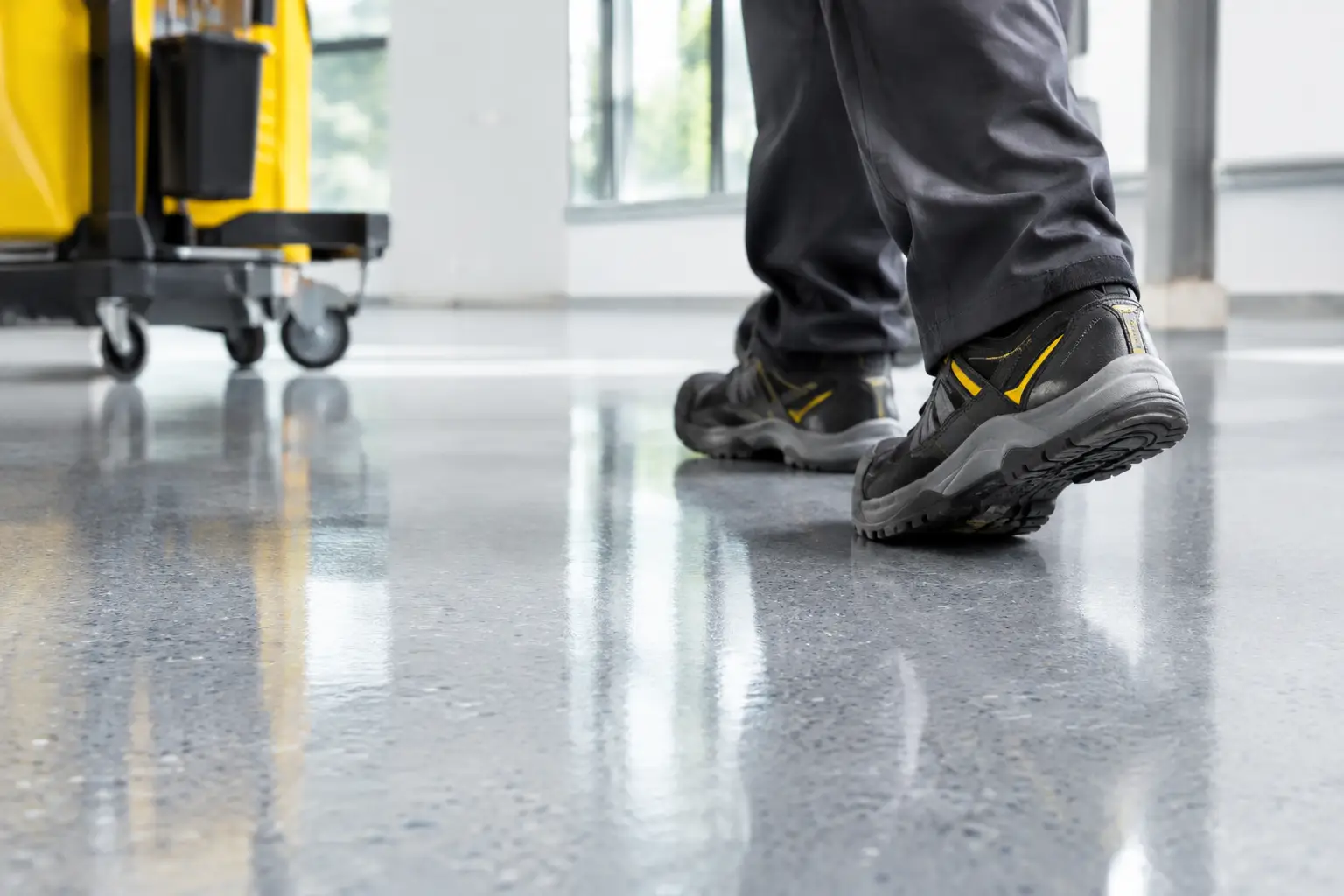
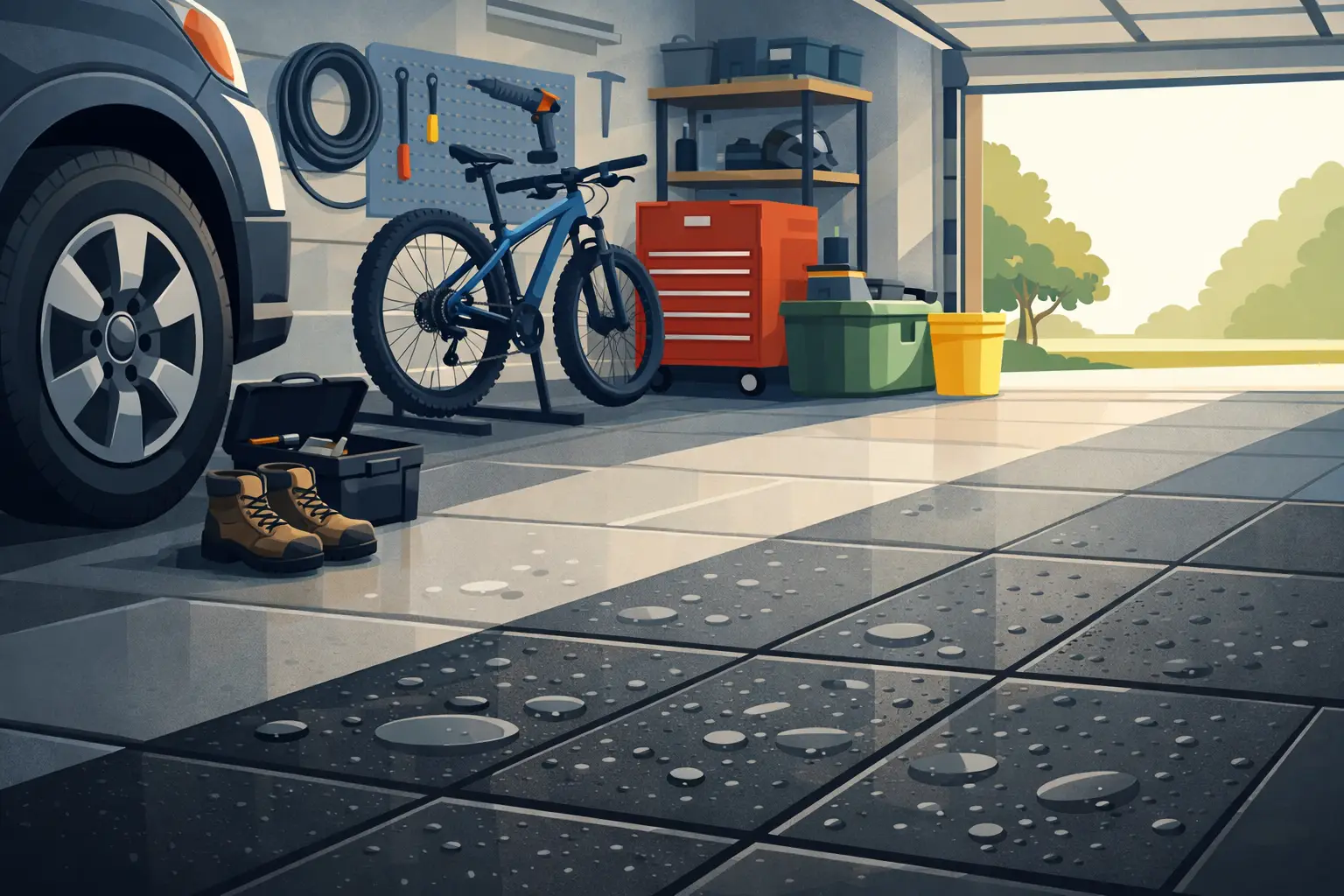
Safety matters as much as appearance. High-gloss finishes can look sharp, but a garage that is regularly wet may need a textured broadcast finish or a specified non-slip additive. The goal is practical traction without creating a surface that traps dirt or becomes difficult to mop.
Choose the System Based on How You Use the Space
Epoxy is a proven choice for many garage applications because it provides strong adhesion, impact resistance, and chemical resistance. It can be installed in solid colors, decorative flake finishes, or more customized decorative effects. For a typical residential garage with normal vehicle traffic, a professionally prepared epoxy system with a protective topcoat is often a dependable long-term solution.
Decorative flake systems are especially well suited to garages where presentation and concealment of everyday dirt both matter. Colored flakes add visual depth, break up the appearance of dust and small marks, and can be adjusted to suit the property. They are not just decorative. A full broadcast flake system can also add texture and contribute to slip resistance when finished correctly.
For garages exposed to direct sunlight, UV stability deserves attention. Standard epoxy can amber or chalk when exposed to sustained UV light, particularly near open doors or in garages with large glazed openings. A UV-resistant polyurethane or polyaspartic topcoat helps retain color and finish quality in those conditions. The best system is often a combination: epoxy for build and adhesion, followed by a topcoat selected for wear, UV exposure, and cleanability.
Some demanding environments call for a different material entirely. Polyurethane cement is designed for severe thermal, chemical, and impact conditions, making it more relevant to industrial workshops or facilities with aggressive washdowns than a standard home garage. MMA flooring cures quickly and can be useful where downtime is tightly controlled, though it requires experienced handling and careful site planning. The right choice depends on the floor’s actual demands, not on the material with the most familiar name.
Concrete Preparation Decides the Result
Most coating failures can be traced back to poor surface preparation. Concrete may look sound from above while hiding weak laitance, previous sealers, oil contamination, moisture vapor issues, or cracks that will telegraph through a new finish. Applying resin over those problems only conceals them temporarily.
A professional assessment should examine the slab’s condition before any material is selected. That includes checking for cracking, spalling, old paint, moisture exposure, contamination, and areas where the concrete has become soft or degraded. Garages with vehicles parked inside after rain or snow, for example, may have higher moisture exposure near entry points and drains.
Mechanical grinding is generally the preferred preparation method for resin flooring. It removes weak surface material and creates a clean profile that allows the primer and coating to bond properly. Acid etching may appear quicker, but it does not provide the same level of control or remove all contaminants reliably. Dust-controlled grinding, crack repair, detailed cleaning, and priming form the foundation of a flooring system that stays bonded.
Cracks require a practical approach. Static hairline cracks can often be repaired before coating, but active movement joints should not simply be covered and forgotten. They may need to be honored or filled with an appropriate flexible joint material, depending on the slab design and expected movement. A careful contractor will explain where a repair is suitable and where movement may remain visible over time.
Moisture Is Not an Afterthought
Concrete is porous, and moisture vapor can move through it even when the surface appears dry. If a coating is installed over a slab with unaddressed moisture pressure, it can blister, delaminate, or develop adhesion problems. This is particularly relevant for ground-level garages, older slabs, and spaces where drainage around the building is poor.
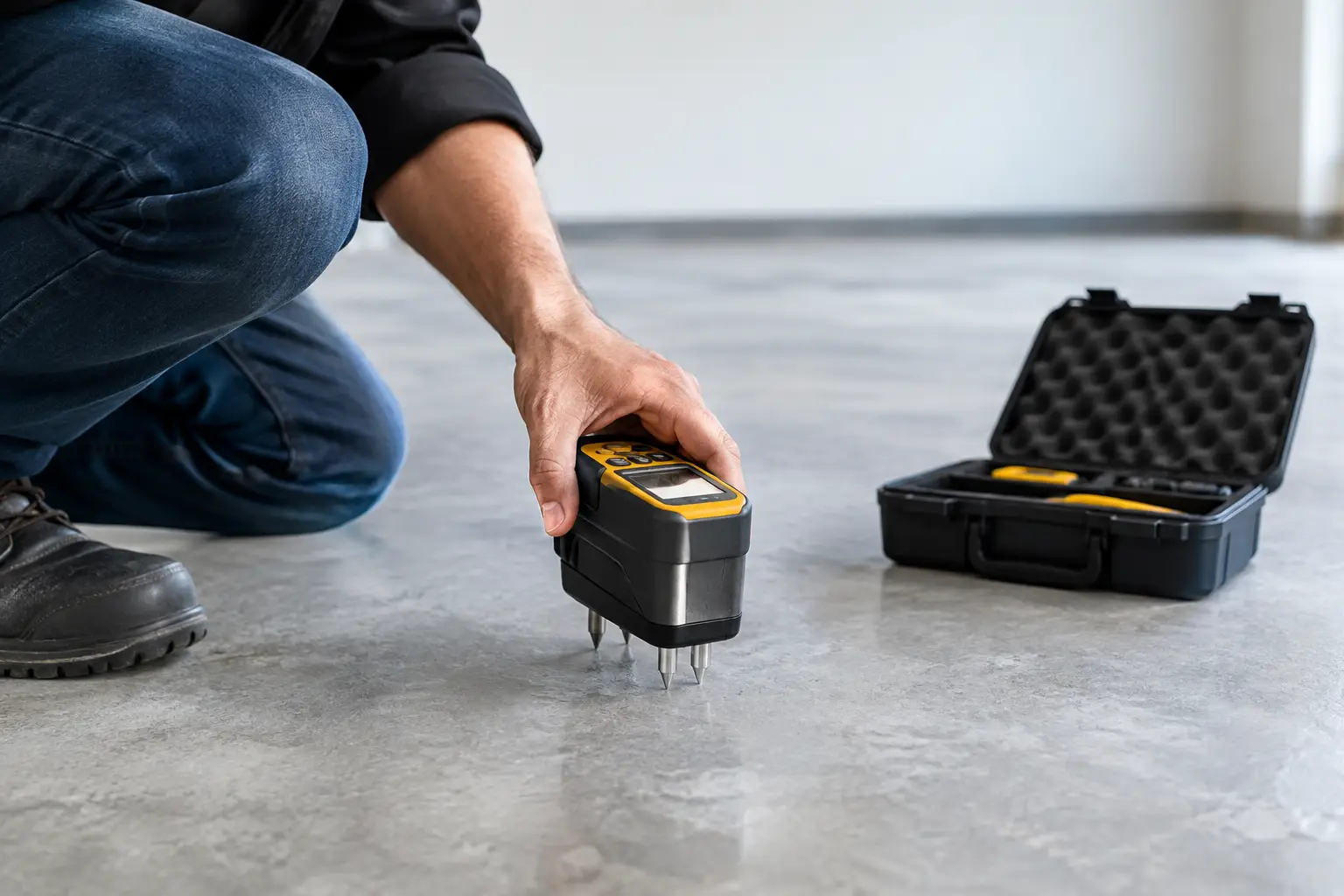
Moisture testing and site inspection help determine whether a moisture-mitigating primer or vapor barrier is needed. There is no universal answer because the risk depends on the slab, local conditions, existing vapor protection, and the selected system. Addressing moisture before installation is far less disruptive than repairing a failed coating later.
Plan the Finish Around Safety and Maintenance
A garage floor should be easy to live with after the installer leaves. Smooth solid-color floors offer a clean, modern appearance and are straightforward to sweep and mop. They can also show dust, tire marks, and scratches more readily than a flake finish. Decorative flake systems are more forgiving visually, while still allowing a polished, intentional result.
Texture should be selected carefully. A lightly textured finish may be sufficient for a private garage with occasional wet tires. A workshop entrance, wash bay, or shared parking area may need more aggressive slip resistance. More texture can improve traction, but excessive texture makes cleanup harder. The best finish balances the likelihood of spills and water exposure with the maintenance standards of the space.
Color selection is also functional. Mid-tone gray, charcoal, and flake blends are popular because they conceal everyday grime better than bright white or very dark solid colors. Line marking can be added in larger garages or commercial facilities to define vehicle bays, pedestrian routes, storage zones, or equipment areas. Clear organization improves both safety and daily workflow.
A Disciplined Installation Process Reduces Risk
A reliable garage floor installation follows a sequence rather than relying on a quick coat-and-go approach. The work begins with consultation and inspection, followed by a clear proposal that identifies the recommended system, preparation work, finish, and curing expectations. Once the scope is agreed, the floor is mechanically prepared, repaired, cleaned, and primed before the resin layers are applied.
Each coat needs the correct coverage rate, recoat timing, and environmental conditions. Temperature and humidity affect working time and cure behavior, so installation should be planned around the site rather than rushed to meet an arbitrary schedule. After the final topcoat is applied, the system needs enough time to cure before foot traffic, equipment, or vehicles return.
This is where transparent communication matters. A garage may be out of service for part of the project, and owners need a realistic schedule for preparation, application, curing, and return to use. Fast-cure systems can reduce downtime, but they are not automatically the best option for every slab or finish requirement.
Keep the Floor Performing After Installation
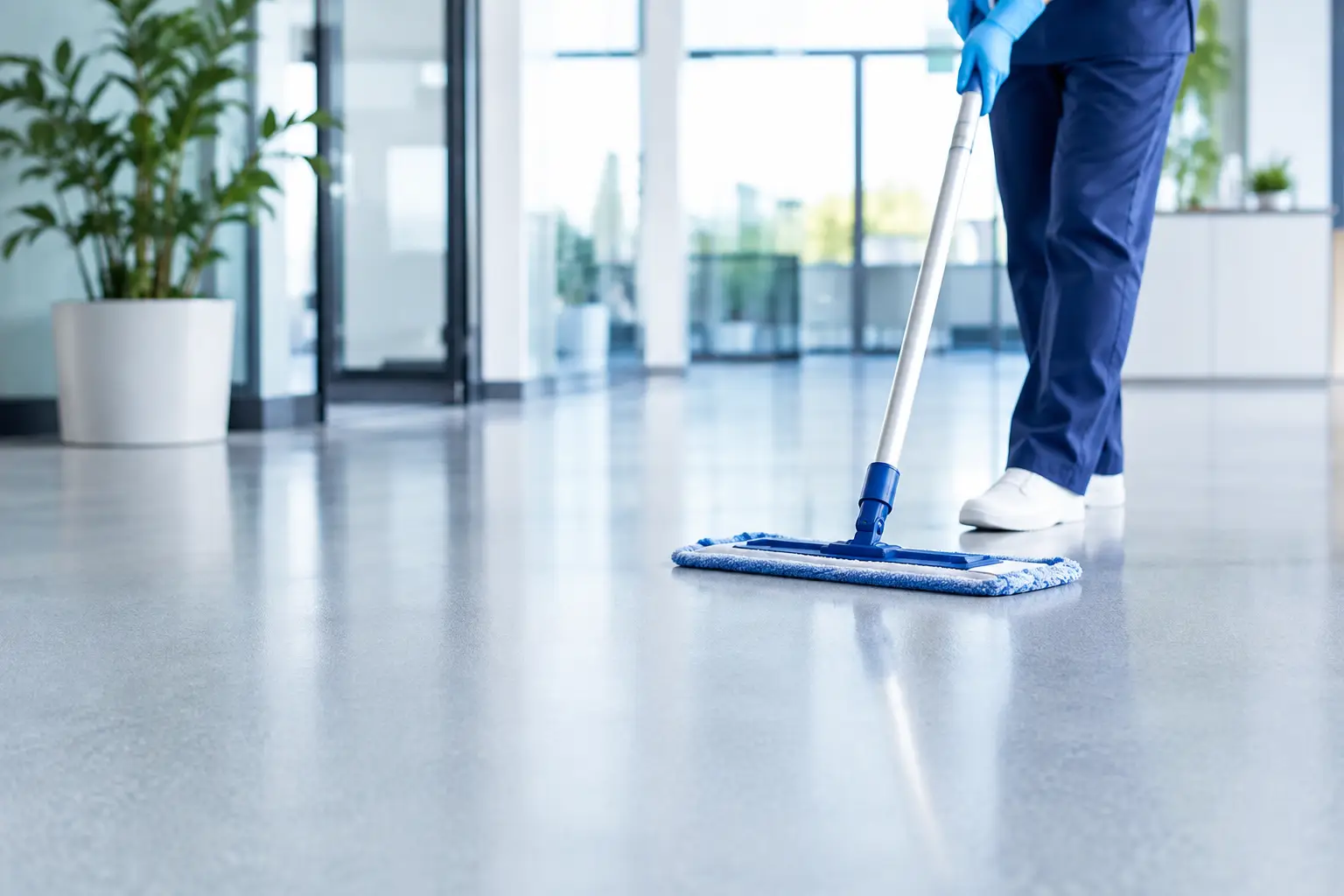
Resin garage floors are low maintenance, not maintenance-free. Sweep away abrasive grit regularly, especially near the garage door. Clean spills promptly with a soft mop or suitable pH-neutral cleaner, and avoid harsh products that can leave residue or dull the finish. For stubborn tire marks, use a cleaner approved for the coating rather than an aggressive solvent.
Place protective pads under heavy equipment, use drip trays under vehicles with known leaks, and avoid dragging sharp metal items across the floor. These simple habits preserve the topcoat and keep the space looking professional. If the floor eventually shows wear in high-traffic areas, a maintenance topcoat may restore protection without requiring a full replacement.
The best garage floor is one that fits the slab, the traffic, and the people using the space every day. Start with an honest assessment of those conditions, then choose a system built to handle them with confidence.