A garage floor can look sound from the driveway yet still have oil contamination, weak concrete, hairline cracking, or moisture pressure below the surface. That is why garage epoxy flooring cost Sydney is not best judged by a single square-meter rate. A lasting floor is a complete system: assessment, mechanical preparation, repairs, primers, coatings, curing, and a finish suited to how the garage is actually used.
For a straightforward residential garage with sound concrete, epoxy flooring may be a cost-effective upgrade over repeated painting or patching. But if the slab needs extensive repair, moisture management, or a more decorative finish, the investment changes. The right question is not simply, “What is the cheapest epoxy?” It is, “What coating system will stay bonded, clean easily, and perform under my conditions?”
Typical Garage Epoxy Flooring Cost in Sydney
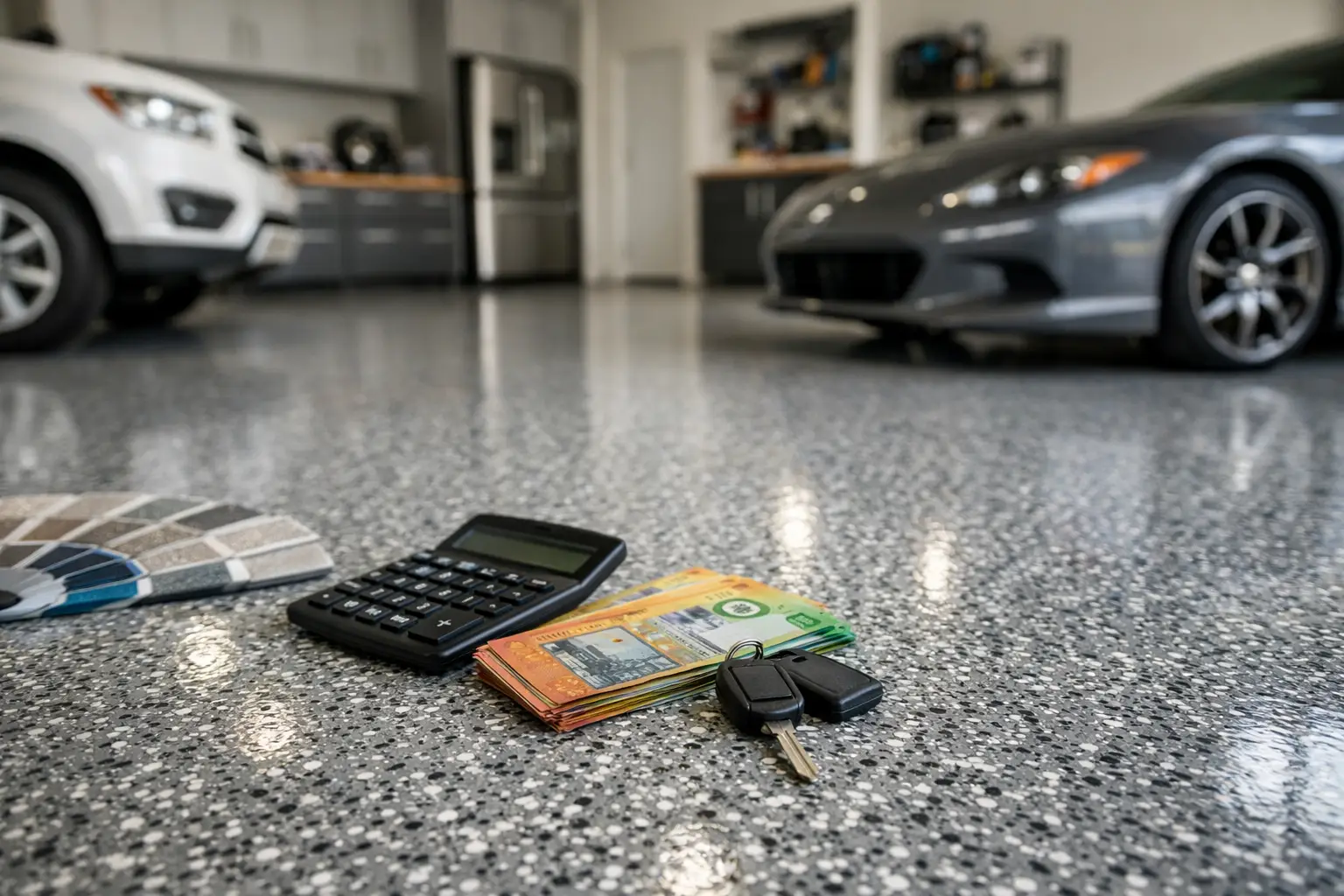
As a general guide, professionally installed garage epoxy systems in Sydney commonly fall around AUD $80 to $160 or more per square meter. Smaller garages can sit toward the higher end of that range because setup, grinding equipment, material handling, and mobilization are required whether the space is 20 square meters or 100.
A basic solid-color epoxy system on a clean, accessible slab is usually the most economical professional option. A full decorative flake floor with a protective clear topcoat generally costs more because it uses additional materials and application stages. Premium systems designed for demanding use, faster return to service, high chemical exposure, or heavier vehicle traffic may also require a higher budget.
These ranges are useful for early planning, not a substitute for a site-specific proposal. Concrete condition can change the scope significantly. A transparent estimate should separate the coating system from necessary preparation and repair work, so you can see what is driving the price.
Why square-meter pricing is only part of the picture
A 35-square-meter double garage and a 35-square-meter open workshop may require different work. The garage may have tightly placed walls, steps, storage cabinets, garage-door edges, and limited access for grinding equipment. It may also have years of tire residue, oil drips, or old paint that must be removed before coatings are applied.
Likewise, a floor that appears flat can contain low spots, spalled concrete, or cracks that need treatment. Quoting only by area without accounting for these conditions can lead to shortcuts during preparation or unexpected variations later. A proper inspection helps prevent both outcomes.
What Changes Garage Epoxy Flooring Cost Sydney Most?
Concrete preparation and repairs
Surface preparation is usually the most important part of an epoxy flooring project. Epoxy needs a clean, mechanically profiled concrete surface to achieve dependable adhesion. Professional diamond grinding opens the concrete and removes weak surface material, existing coatings, contaminants, and laitance – the fragile dusty layer often found on newer slabs.
Cracks, holes, broken edges, and spalling then need to be repaired with suitable resin mortars or fillers. Minor hairline cracks are common and can often be managed efficiently. Widespread deterioration, movement-related cracking, or concrete that is soft and contaminated takes more labor and material.
Cheap quotes often understate this stage. The result may look acceptable immediately after installation but fail where tires turn, where moisture enters, or where the original slab was already weak. Preparation is not an optional extra. It is the foundation of the finished floor.
Moisture and slab condition
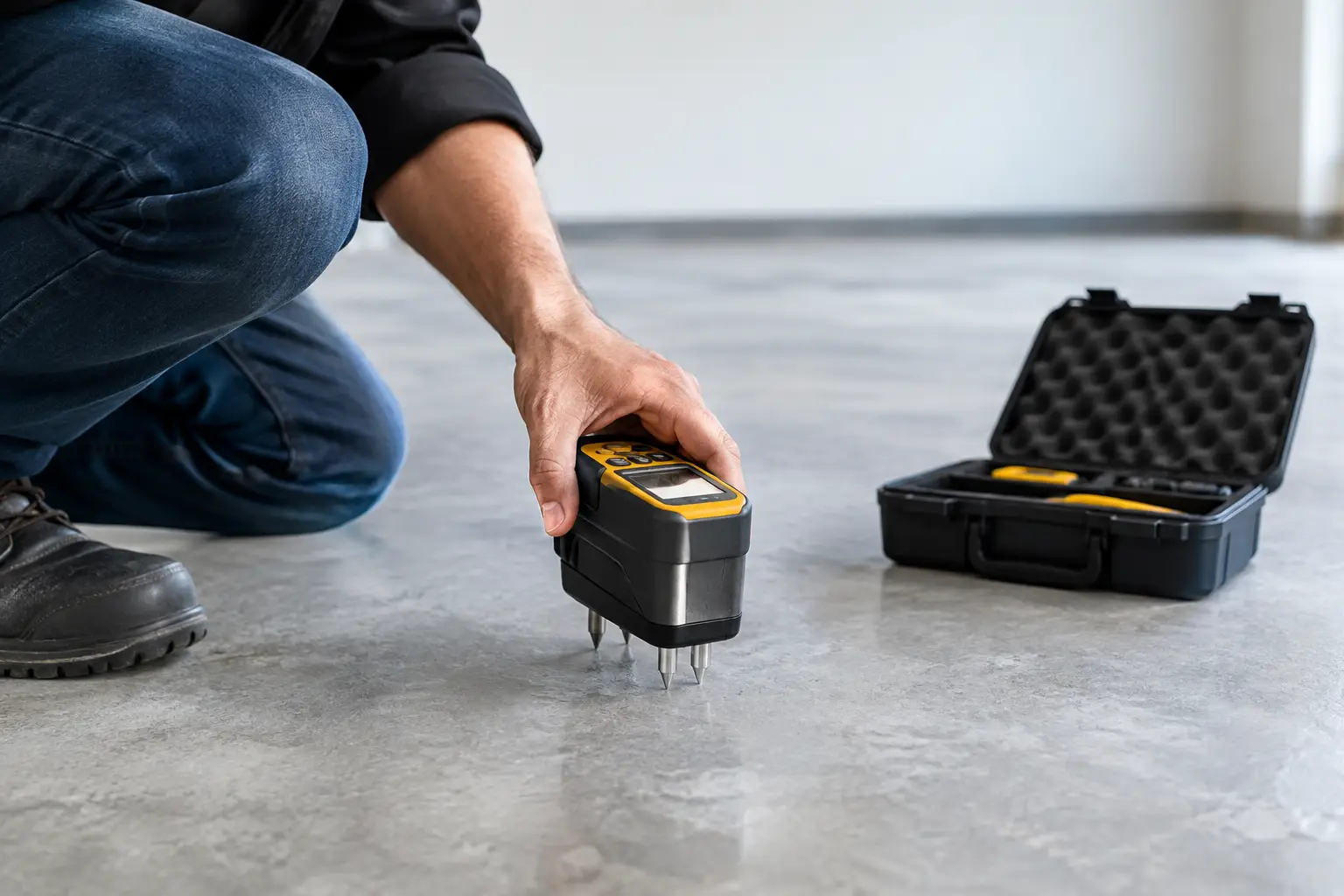
Sydney garages can experience moisture movement through concrete, especially in older homes, properties with drainage issues, or slabs built without an effective vapor barrier. If testing or inspection indicates a moisture risk, a moisture-mitigating primer or different resin system may be recommended.
This adds to the initial cost, but it can protect against blistering, delamination, and premature coating failure. There is no responsible one-size-fits-all answer here. The right response depends on the slab, the coating specification, and the level of risk the property owner is willing to accept.
Coating type and build thickness
Not all epoxy floors use the same materials or application method. A thin roll-on coating, a high-build epoxy system, and a broadcast flake system are different products with different performance expectations.
A solid-color epoxy finish is clean, practical, and well suited to many home garages. It can provide a bright, easy-to-maintain surface with good resistance to common automotive fluids. Decorative flake adds visual depth while helping disguise dust, tire marks, and minor day-to-day debris. It is a popular choice for garages that serve as both parking and project space.
A clear topcoat can improve stain resistance, abrasion resistance, and cleanability. In garages with direct sunlight at the entrance, a UV-stable polyurethane topcoat may be worth considering because standard epoxy can amber over time when exposed to UV light. That extra protection has a cost, but it addresses a genuine performance concern rather than a purely cosmetic upgrade.
Slip resistance and intended use
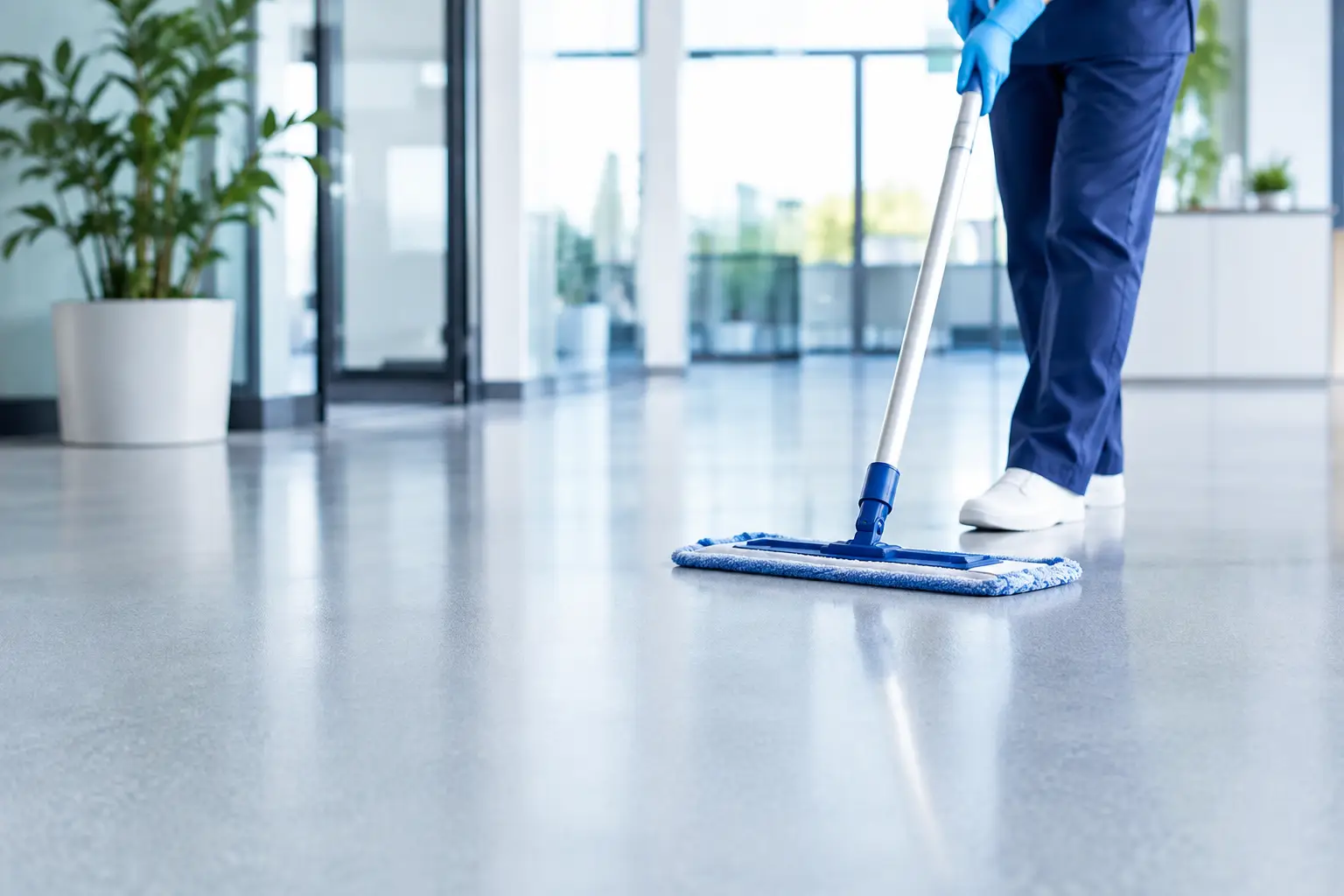
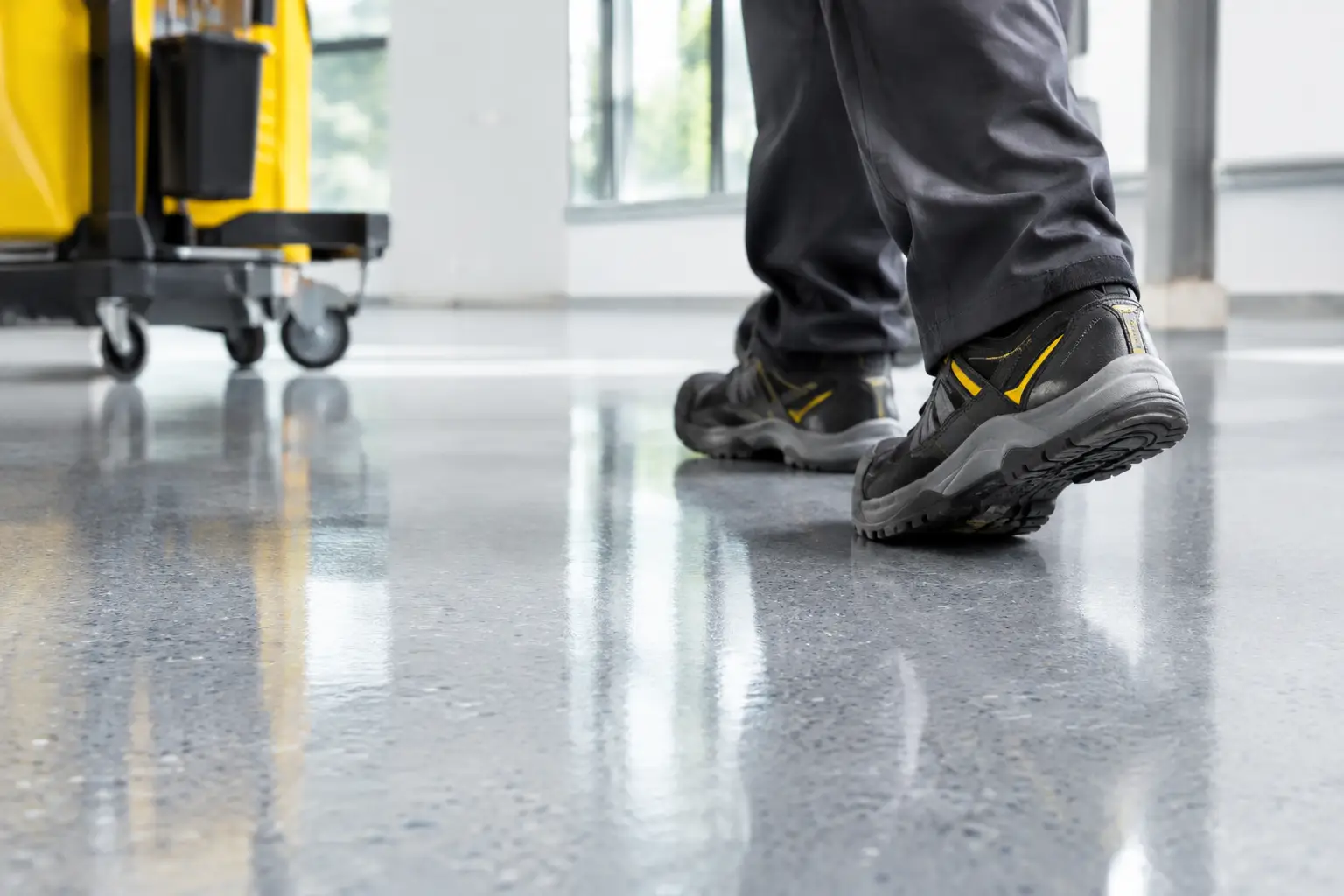
A smooth glossy floor is easy to sweep, but a garage that sees wet vehicles, washing, tools, or frequent foot traffic may need more grip. Non-slip aggregate can be incorporated into the coating system to improve traction without making routine cleaning unnecessarily difficult.
The amount and type of aggregate should match the space. Too little may not deliver the desired safety benefit. Too much can create a rough surface that traps dirt and is harder to mop. A tailored specification balances appearance, cleanability, and safe use.
Access, layout, and project timing
Clear, empty garages are faster to prepare and coat than spaces full of shelving, machinery, stored belongings, or vehicles. Moving items, working around fixed benches, and masking detailed edges all affect labor time. Stairs, internal rooms, restricted parking, and difficult site access can also influence the scope.
Timing matters as well. Most epoxy systems require controlled application conditions and a defined curing period before foot traffic or vehicle use. If a project needs a faster return to service, an MMA or other rapid-curing resin system may be appropriate in some situations. It is generally a higher-cost solution, but it can reduce downtime where access to the garage is critical.
What a Professional Garage Epoxy Quote Should Include
A useful quote does more than state a total price. It should identify the proposed system and explain how the floor will be prepared. You should be able to see whether the scope includes mechanical grinding, crack and joint repairs, cleaning, primers, base coats, decorative flakes if selected, clear topcoats, and slip-resistance measures.
It should also clarify exclusions and assumptions. For example, extensive concealed concrete damage, active moisture problems, removal of existing heavy coatings, or furniture relocation may require additional work. Clear assumptions are not a sign of uncertainty. They are how a contractor protects the project from vague promises and makes sure the final floor matches the agreed performance standard.
At Sydney Epoxy Flooring, the process begins with evaluating the substrate and the way the garage will be used. A family garage, a detailing bay, a home workshop, and a small commercial vehicle space may all look similar at first, but they place different demands on a coating system.
Where It Pays to Invest – and Where It May Not
For most garages, spending money on thorough grinding, repairs, and a compatible primer is more valuable than choosing the most elaborate color combination. Those hidden layers determine whether the system bonds correctly and stands up to hot tires, dropped tools, and regular cleaning.
Decorative upgrades are worthwhile when they improve the way you use the space. Full flake finishes can make a garage feel brighter and more finished, while helping conceal everyday marks. A premium UV-stable topcoat makes sense near sun-exposed openings. Added chemical resistance is sensible for serious mechanical work or frequent automotive fluid exposure.
On the other hand, a simple solid-color system may be the better value for a lightly used garage with sound concrete and limited sunlight. The aim is not to specify the most expensive floor. It is to specify the right floor for the site.
Before comparing garage epoxy pricing, clear the space where possible and ask for an inspection that addresses concrete condition, moisture, intended use, and finish preferences. A well-prepared resin floor should feel like a practical improvement every time you park, clean, or work in the garage – not a surface that needs protecting from normal life.