Top 7 Commercial Kitchen Waterproofing Methods in Sydney – Floor, Wall & Joint Protection Guide (2026) is the resource Sydney hospitality and food business owners are searching for right now, because water damage in a commercial kitchen doesn’t just ruin floors, it shuts businesses down. If you’re running a café, restaurant, aged care kitchen, or food manufacturing facility in Sydney, unprotected surfaces lead to mould, structural decay, failed health inspections, and costly downtime. This guide covers the exact waterproofing methods used by professionals, what works where, and what to avoid. Whether you manage a new build or an ageing kitchen, you’ll leave knowing how to protect every surface — floors, walls, drains, joints, and cool rooms, with the right system for 2026.
7 Commercial Kitchen Waterproofing Methods in Sydney
Proper waterproofing is essential for commercial kitchens in Sydney to meet health regulations and prevent costly structural damage. Here are seven effective methods commonly used:
- Liquid Waterproof Membranes – Seamless coatings applied beneath tiles for strong moisture protection.
- Sheet Membranes – Pre-formed layers offering consistent thickness and durability.
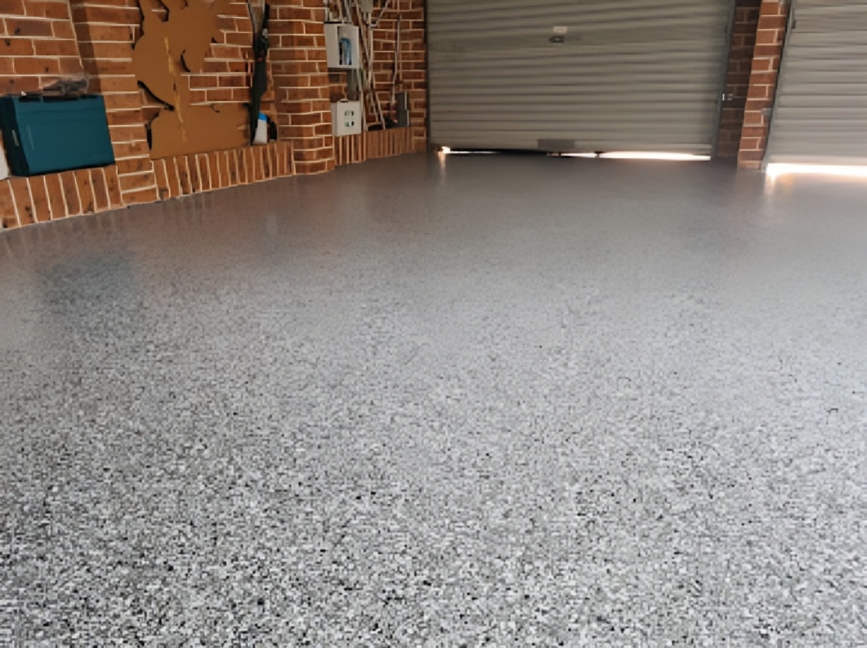
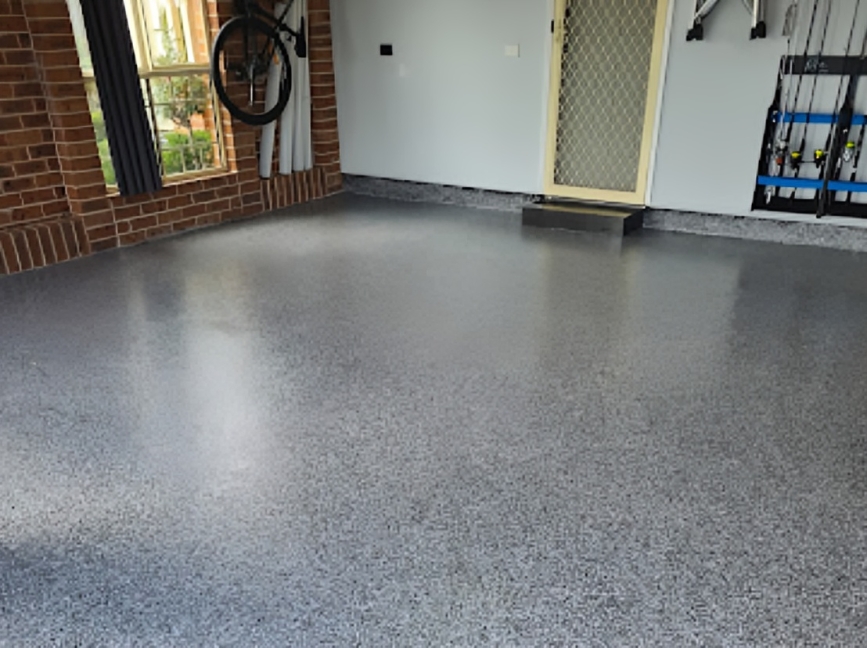
- Epoxy Floor Coatings – Chemical-resistant, non-porous surfaces ideal for heavy-duty kitchens.
- Polyurethane Coatings – Flexible systems that withstand thermal movement and cracking.
- Cementitious Waterproofing – Cost-effective solutions for wet preparation areas.
- Proper Floor Grading & Drainage – Prevents standing water and slip hazards.
- Wall & Joint Sealing Systems – Protects wall-floor junctions from hidden leaks.
Professional installation ensures compliance, hygiene, and long-term performance.
More Kitchen Waterproofing Options at a Glance
| Method | Best For | Durability | Chemical Resistance | Approx. Lifespan |
| Polyurethane Cement Screed | High-traffic kitchen floors | ★★★★★ | ★★★★★ | 15–20 years |
| Liquid Membrane + Epoxy Topcoat | Wet zones, drains, walls | ★★★★☆ | ★★★★☆ | 10–15 years |
| Cementitious Waterproofing | Under-tile base coat | ★★★☆☆ | ★★★☆☆ | 8–12 years |
| Fibreglass (GRP) Wall Panels | Splash-back, steam areas | ★★★★☆ | ★★★★★ | 15+ years |
| Polyurethane Joint Sealant | Expansion joints, coves | ★★★★★ | ★★★☆☆ | 10–15 years |
| Epoxy Grease Trap Coating | Grease traps, sinks | ★★★★☆ | ★★★★★ | 10+ years |
| Cool Room Membrane System | Refrigeration areas | ★★★★★ | ★★★★☆ | 15+ years |
HIGHLIGHT BOX
The 7 Core Areas That Must Be Waterproofed in Every Sydney Commercial Kitchen:
- Kitchen floors (entire surface)
- Sink and drain surrounds
- Cool rooms and refrigeration areas
- Grease traps
- Food preparation countertops
- Walls and backsplashes (behind cooking and wash stations)
- Storage and pantry wet zones
Commercial Kitchen Waterproofing Related Common Problems People Face
Why Is Waterproofing Essential for Commercial Kitchens in Sydney?
Commercial kitchens deal with constant water exposure — from cooking steam, cleaning hoses, spills, and drain overflow. Sydney’s warm, humid climate makes this worse, accelerating moisture penetration into unsealed concrete and grout lines. Without proper commercial kitchen waterproofing, water seeps into subfloors and walls, causing structural damage, unhygienic mould growth, and compliance failures under Food Standards Australia New Zealand (FSANZ) regulations.
Solution: Apply a full-coverage liquid membrane waterproofing system across floors, walls, and wet zones before any surface coating is installed. This creates a continuous, seamless barrier that moisture cannot penetrate, even under heavy-duty hosing.
Why it works: Liquid-applied membranes bond directly to concrete substrates and flex with minor structural movement, preventing cracking and delamination over time. Sydney Epoxy Flooring’s team has applied these systems across 2,000+ projects, including high-traffic commercial kitchens throughout Greater Sydney.
Which Waterproofing Methods Are Best for Commercial Kitchen Floors?
Kitchen floors face the harshest conditions — boiling water, cleaning chemicals, foot traffic, and dropped equipment. Standard tiles or painted concrete crack and absorb moisture quickly. This leads to slippery surfaces, bacterial growth in grout lines, and failed council inspections.
Solution: The best methods for commercial kitchen waterproofing on floors are:
- Polyurethane cement screed – impact-resistant, thermal-shock-proof, and chemical-resistant
- Liquid waterproof membrane + epoxy topcoat – seamless and easy to clean
- Cementitious waterproofing – ideal as a base layer under tiles in lower-traffic wet zones
Why it works: Polyurethane cement is specifically engineered for food-grade environments. It handles rapid temperature changes (like hosing a hot floor) without cracking, a common failure point in Sydney kitchens using standard epoxy alone.
How Are Walls Protected from Moisture and Steam in Commercial Kitchens?
Walls behind cooking stations, dishwashing areas, and sinks are constantly exposed to steam and water splashes. Painted or tiled walls eventually allow moisture ingress at joints and grout lines, creating mould colonies behind the surface — invisible but dangerous.
Solution: Waterproof wall coatings and backsplash systems using epoxy paint or fibreglass-reinforced panels over a waterproof membrane provide seamless, non-porous protection. For steam-heavy areas, a two-coat liquid membrane applied to the substrate before any wall finish is essential.
Why it works: A waterproof membrane behind the wall finish stops moisture at the source. Even if surface tiles crack, the underlying membrane maintains protection. Sydney Epoxy Flooring includes wall membrane application as a standard part of its commercial kitchen waterproofing system — not an optional add-on.
Why Do Floor Joints and Wall Joints Require Special Waterproof Protection?
Expansion joints, cove junctions (where the floor meets the wall), and drain surrounds are the most common failure points in any commercial kitchen waterproofing system. These are the areas where two surfaces meet, flex independently, and where water always finds a way through.
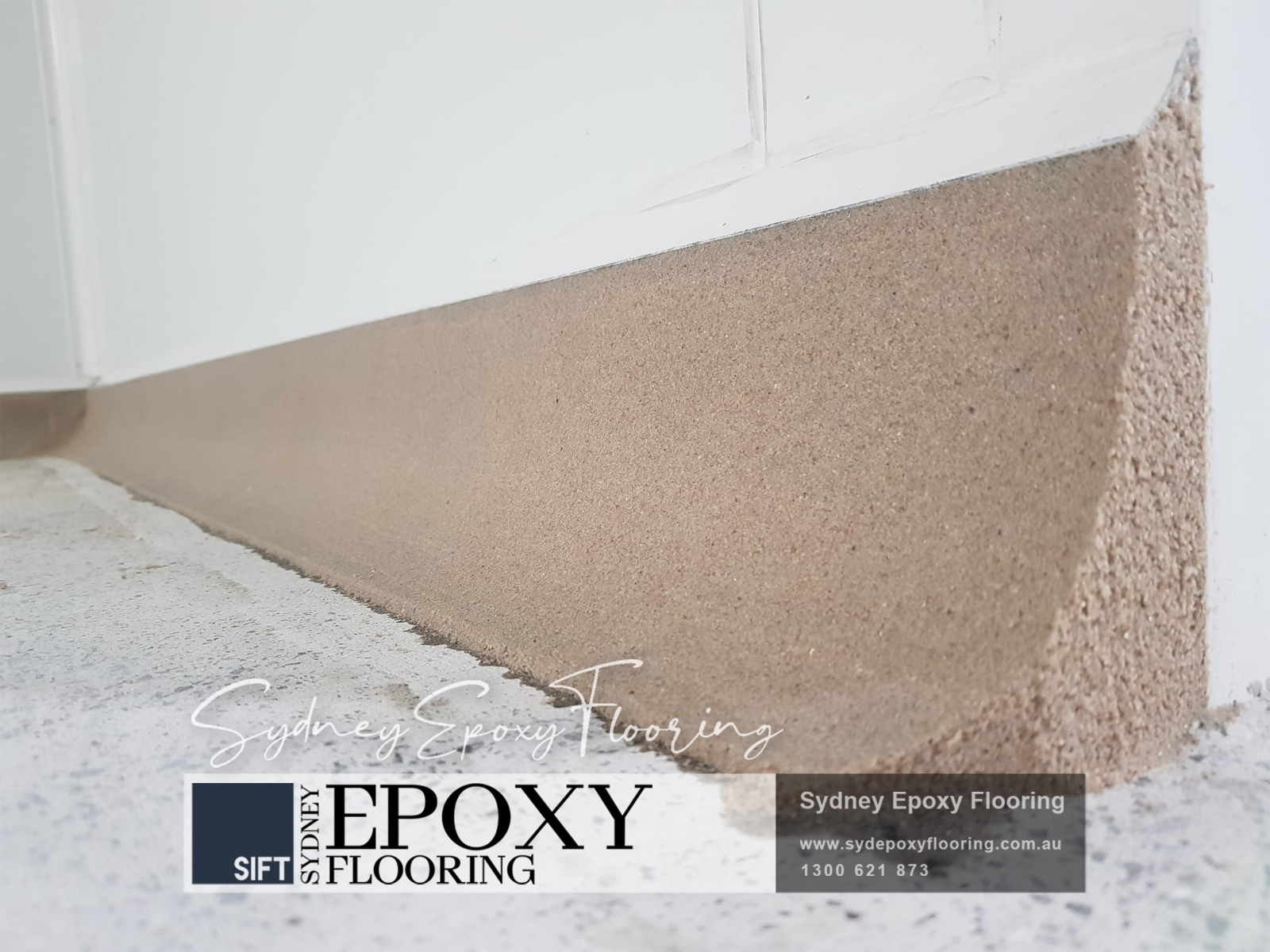
Solution: Flexible polyurethane sealants and reinforced joint tapes embedded in the waterproof membrane system are used to bridge and seal all movement joints. Cove details are formed at floor-wall junctions to eliminate the right-angle gap.
Why it works: Rigid sealants crack when surfaces flex. Flexible systems move with the building, maintaining a watertight seal even under daily temperature cycling in a working kitchen environment.
What Waterproofing System Provides Long-Term Protection for Commercial Kitchens?
Many kitchens use short-term fixes, off-the-shelf sealers, DIY membrane paints, that fail within 12–18 months under commercial conditions. This triggers repeated downtime, repair costs, and ongoing compliance risk.
Solution: A multi-layer, professionally installed system is the only long-term answer for commercial kitchen waterproofing in Sydney:
- Diamond-grind surface preparation
- Epoxy primer (vapour barrier)
- First coat reinforcing waterproof membrane
- Second coat membrane (fibre-reinforced for wet areas)
- Final protective topcoat (epoxy or polyurethane)
Why it works: Each layer performs a specific function. Skipping any layer — especially primer or reinforcement — reduces system life from 15+ years to under 3. Sydney Epoxy Flooring uses industrial-grade, food-safe products from top-tier suppliers, with a track record of zero membrane failures on completed commercial kitchen projects.
WARNING BOX
Do not apply a new coating over an existing failed membrane. Trapping moisture between layers causes bubbling, delamination, and accelerates structural damage. The existing system must be fully removed and the substrate prepared to bare concrete before any new commercial kitchen waterproofing system is applied.
Essential Waterproofing Strategies for Floors, Walls & Joints in 2026
Protecting floors, walls, and joints is critical to maintaining hygiene, safety, and long-term structural performance in commercial kitchens. In 2026, advanced waterproofing systems focus on flexibility, chemical resistance, and strict compliance with Australian standards. Floors should be coated with durable epoxy or polyurethane systems to handle heavy foot traffic, frequent washdowns, and grease exposure. Walls require waterproof membranes behind tiles or stainless steel panels to prevent concealed moisture damage. Floor-to-wall junctions and expansion joints must be reinforced with flexible sealants to absorb movement and prevent cracks. Proper sealing around drains, penetrations, and service points further reduces leak risks. High-quality materials combined with professional installation ensure durability, minimise repair costs, and maintain full regulatory compliance.
PRO TIPS BOX
Pro Tips from Sydney Epoxy Flooring’s Senior Installers:
- Always form a 50mm cove at every floor-wall junction; it’s the single most important joint detail.
- Schedule waterproofing during kitchen downtime (overnight or during annual shutdown) to avoid operational disruption.
- Request a written cure schedule from your contractor. Rushing curing time is the #1 cause of premature system failure.
- In cool rooms, use a vapour-check primer rated for cold environments, not a standard epoxy primer.
Why Choose Our Commercial Kitchen Waterproofing Service
Sydney Epoxy Flooring has been delivering commercial kitchen waterproofing in Sydney for over 12 years. Based in Castle Hill and servicing all of Greater Sydney — including the CBD, Parramatta, Penrith, Liverpool, the Inner West, Northern Beaches, and South Sydney — our team of 120 skilled professionals has completed 2,000+ projects across hospitality, aged care, food manufacturing, retail food, and institutional kitchen environments.
Our Process (5 Steps)
Free Consultation & Site Assessment
We visit your site, assess the current condition of surfaces, identify existing moisture issues, and recommend the right system for your kitchen type and budget.
Customised Proposal
You receive a detailed written scope with a full cost breakdown — no hidden charges. We explain exactly what products are being used and why.
Surface Preparation
Diamond grinding removes existing coatings, and concrete imperfections are repaired with two-pack epoxy mortars, and the surface is primed for optimal adhesion.
Waterproofing System Application
We apply the correct system for your zone, membrane coatings, screed, joint sealants, and wall protection, using industrial-grade, food-safe materials from our approved supplier network.
Final Inspection & Handover
Every project receives a final quality check before handover. We confirm curing schedules, provide care instructions, and remain contactable for any follow-up queries.
Pricing Transparency
We provide fixed-price quotes after site assessment. Pricing depends on floor area, surface condition, and system complexity. Most commercial kitchen waterproofing projects in Sydney are quoted within 48 hours of our site visit.
Why Trust Sydney Epoxy Flooring
Our team brings real, hands-on experience to every commercial kitchen waterproofing project. Here’s what sets us apart:
- 12+ years of industry experience as a Sydney-based specialist (not a generalist builder)
- 2,000+ completed projects across residential, commercial, and industrial sites
- 137+ verified Google Reviews, clients consistently note professionalism, punctuality, and quality workmanship
- Transparent process: every client receives a written proposal and detailed cost breakdown before work begins
- Partners with top-tier material suppliers for food-safe, industrial-grade waterproofing products
- An active portfolio of completed commercial kitchen projects is available on our website gallery
- Free onsite assessment, no obligation, no pressure
Frequently Asked Questions (FAQ)
Q1: What is commercial kitchen waterproofing, and why does my Sydney kitchen need it?
Commercial kitchen waterproofing is the process of applying protective membrane systems to floors, walls, and joints to prevent water and moisture from penetrating surfaces. Sydney kitchens need it to meet food safety regulations, prevent mould, and avoid costly structural repairs.
Q2: How long does a commercial kitchen waterproofing system last in Sydney?
A professionally installed system using polyurethane cement or liquid membrane lasts 10–20 years, depending on the product and maintenance. DIY or low-grade systems typically fail within 1–3 years under commercial use.
Q3: Does commercial kitchen waterproofing comply with Sydney health regulations?
Yes. Proper waterproofing helps your kitchen comply with FSANZ food safety standards and NSW Food Authority requirements for hygienic, non-absorbent surfaces in food premises.
Q4: How long does commercial kitchen waterproofing installation take?
Most kitchen waterproofing projects take 1–3 days for installation, plus curing time. Sydney Epoxy Flooring schedules work during kitchen downtime to minimise disruption to your business.
Q5: Can commercial kitchen waterproofing be applied over existing tiles?
In most cases, existing surfaces must be removed or fully prepared. Applying waterproofing over compromised surfaces traps moisture and causes system failure. We assess your current surfaces during the free site visit.
Q6: What’s the difference between polyurethane cement and epoxy for commercial kitchen floors?
Polyurethane cement handles thermal shock (sudden temperature changes) better than standard epoxy, making it the preferred choice for commercial kitchen floors where hot water hosing is common.
Q7: Does Sydney Epoxy Flooring waterproof cool rooms?
Yes. We apply specialised cool room and refrigeration area waterproofing systems rated for low-temperature environments, including vapour-barrier primers designed for cold-room conditions.
Q8: How much does commercial kitchen waterproofing cost in Sydney?
Costs vary based on floor area, surface condition, and system type. Sydney Epoxy Flooring provides fixed-price quotes after a free site assessment — contact us for a no-obligation quote.
Q9: Can waterproofing fix an existing mould problem in my commercial kitchen?
Waterproofing prevents future moisture ingress, but existing mould must be remediated first. Our site assessment identifies any pre-existing moisture or mould issues before we recommend a system.
Q10: Which areas of a commercial kitchen require waterproofing?
All wet zones require waterproofing, floors, walls behind cooking and wash stations, sink and drain surrounds, cool rooms, grease traps, food prep countertops, and storage areas. Full-coverage protection is always recommended.
Protect Your Kitchen Before Problems Start
Water damage in commercial kitchens doesn’t stay small for long. Cracked joints, trapped moisture, or failed coatings can quickly turn into costly repairs and compliance issues.
If you’re operating a hospitality or food business in Sydney, reviewing your waterproofing system now can prevent downtime later. A professional site assessment can identify hidden risks and outline the right solution for your kitchen, before small issues become major disruptions.
Contact Sydney Epoxy Flooring Experts:
Phone: 1300 621 873
Email: info@sydepoxyflooring.com.au
Address: Unit 123/7 Hoyle Ave, Castle Hill, NSW 2154