Epoxy Floor Coating in Sydney – Industrial Strength, Slip-Resistant & Long Lasting Solutions, this is what property owners across Sydney are searching for right now, and for good reason. Whether you manage a busy warehouse in Parramatta, run a commercial showroom in the CBD, or simply want a sleek, durable garage floor in Castle Hill, the right floor coating transforms your space. Cracked, stained, or slippery floors aren’t just an eyesore; they’re a safety hazard and a constant maintenance drain.
At Sydney Epoxy Flooring, we’ve spent over 12 years delivering premium epoxy floor coating in Sydney to residential, commercial, and industrial clients. Our team of 120 skilled professionals has completed 2,000+ projects, earning 137+ verified Google reviews for quality, reliability, and workmanship. According to SafeWork NSW, slip-resistant flooring is a legal requirement in Australian workplaces, making the right floor coating not just a smart investment, but a compliance necessity.
This guide covers the real problems that push Sydney property owners to search for epoxy floor coating, the solutions that actually work, and everything you need to know before choosing a contractor.
How Epoxy Floor Coating Actually Works: The Science Behind the Strength
Many people assume epoxy is just a thick paint. It isn’t. Understanding the chemistry helps you make a better buying decision, and explains why installation quality matters so much.
Epoxy floor coating is a two-component system: a resin (Part A) and a hardener (Part B). When mixed, these two components undergo an exothermic chemical reaction called polymerisation. Unlike paint, which simply dries as water or solvent evaporates, epoxy cures, meaning it chemically transforms into a rigid, cross-linked polymer matrix.
What this means for your floor:
- The cured epoxy doesn’t sit on top of the concrete; it penetrates the surface pores and forms a mechanical and chemical bond with the substrate
- The resulting surface has a Shore D hardness comparable to some plastics and far exceeding standard floor paints
- Because it’s seamless, there are no joints or grout lines for bacteria, moisture, or chemicals to penetrate
This is why surface preparation, particularly diamond grinding, is non-negotiable. Epoxy cannot bond to dust, latex (the weak surface layer of concrete), or moisture. The grinding opens the concrete’s pores at a microscopic level, giving the resin somewhere to grip.
Curing vs Drying: Why It Matters. Epoxy cures in stages. It may feel solid to touch within 12–24 hours, but a full chemical cure, where it reaches maximum hardness and chemical resistance, takes 5–7 days at standard temperatures. This is why foot traffic and vehicle traffic have different recommended wait times after application.
Epoxy Floor Coating in Sydney: Common Problems People Face
Before investing in a new floor, most Sydney property owners hit the same wall: they know something is wrong, but they’re not sure what’s causing it or what will actually fix it. Here are the three most common problems we solve every week.
Concrete Floors That Crack, Stain & Deteriorate Fast
Bare concrete looks fine for a year or two. Then the cracks start. Oil from cars seeps in, dust collects in the pores, and the surface begins to pit and chip. This is especially common in Sydney garages, workshops, and warehouses, where heavy machinery, forklifts, and constant foot traffic put relentless pressure on unprotected floors.
Why it happens: Untreated concrete is porous. Without a protective layer, moisture, chemicals, and mechanical stress break it down from the surface inward. Sydney’s humidity makes this worse.
Solution: A multi-layer epoxy floor coating in Sydney creates a seamless, impenetrable surface that chemically bonds to the concrete substrate. It doesn’t just coat, it fuses. Our industrial systems handle heavy loads, oil spills, and chemical exposure without lifting, peeling, or cracking.
Why this works: Epoxy resin bonds at a molecular level with the concrete, which is why properly installed systems last 20–30 years. We use premium-grade hardeners on every project, not the thin water-based products sold at hardware stores. Our 12+ years of experience on Sydney floors backs this up.
Slippery Floors Creating Safety Risks
This is the number one concern we hear from warehouse managers, factory owners, and homeowners with young children or aging family members. Smooth, wet concrete or worn floor paint becomes dangerously slippery, and in a commercial or industrial setting, that’s a WorkSafe violation waiting to happen.
Why it happens: Polished or wet surfaces drastically reduce friction. Standard floor paints wear down within 12–18 months in high-traffic zones, leaving a smooth surface with zero grip. Chemical spills make this worse instantly.
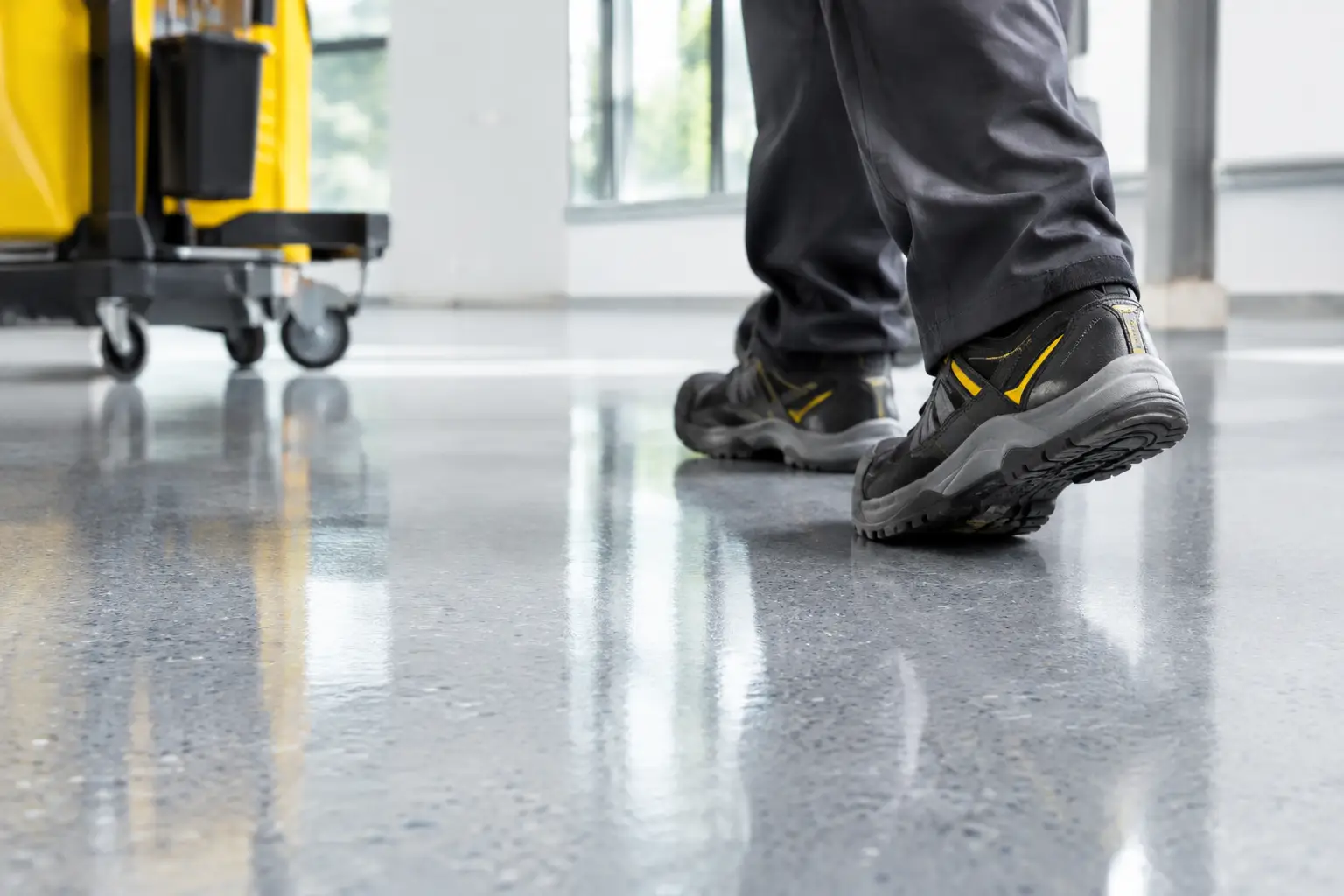
Solution: Our slip-resistant epoxy floor coating in Sydney includes anti-slip additives, quartz aggregate, or broadcast flake chips, which create a textured, high-grip surface without sacrificing the clean, professional look. Every system we design meets Australian slip-resistance standards.
Why this works: Anti-slip epoxy coatings maintain grip even when wet, oily, or dusty. This is exactly why hospitals, food processing plants, schools, and warehouses across Sydney rely on our systems. It’s not cosmetic, it’s functional safety.
High Maintenance Costs and Constant Repainting
Many Sydney businesses repaint their warehouse or garage floor every 1–2 years because standard floor paint simply doesn’t hold up. It peels, chips, fades under UV exposure, and dissolves under chemical spills. That means lost time, repeat costs, and operational disruption, every single year.
Why it happens: Water-based and oil-based floor paints sit on top of the concrete rather than bonding with it. They aren’t engineered for industrial wear, chemical exposure, or the thermal cycling caused by Sydney’s temperature swings.
Solution: Industrial epoxy floor coating in Sydney bonds permanently to the substrate. A properly applied system, with correct surface preparation, can last 20–30 years with nothing more than regular sweeping and mopping.
Why this works: The total cost of ownership is significantly lower with epoxy. You invest more upfront, but you eliminate recurring repainting, patching, and shutdown costs. Our 2,000+ clients across Sydney consistently report this as the biggest financial benefit.
Sydney’s Climate and What It Means for Your Floor Coating
Sydney’s environment creates specific challenges that don’t apply in drier or cooler Australian cities. If you’re researching floor coating in Sydney specifically, these factors are directly relevant to the system you choose and how it’s installed.
Humidity and Moisture Vapour Transmission
Sydney’s coastal and basin geography means relative humidity regularly sits between 60–80%, particularly in suburbs closer to the coast, Hawkesbury River areas, and low-lying western Sydney zones. This is a significant issue for epoxy application because:
- Concrete slabs, especially older ones without adequate sub-slab vapour barriers, constantly emit moisture vapour upward
- If epoxy is applied without a moisture-tolerant primer, this vapour pressure builds beneath the coating and causes blistering, delamination, and bubbling within months
- Humidity during application also affects the curing chemistry; epoxy applied above 85% relative humidity can develop amine blush, a white, waxy film that weakens the surface
Temperature Swings and Thermal Cycling
Sydney summers regularly push above 35°C, while winter nights in western suburbs can drop to 4–6°C. Floors in uninsulated garages and warehouses experience the full range of this variation. Concrete expands and contracts with temperature; a coating that cannot flex with this movement will eventually crack at stress points.
UV Exposure in Outdoor Zones
Sydney’s UV index is among the highest in the world for a major city. Standard indoor epoxy resins are not formulated for UV stability; they will yellow and chalk within 12–18 months of outdoor exposure. Outdoor patios, pool surrounds, and driveways require aliphatic polyurethane topcoats or UV-stabilised epoxy systems specifically engineered for the Australian climate.
Practical takeaway: Before committing to any floor coating system in Sydney, ask your contractor specifically about moisture vapour testing, the primer system being used, and whether the topcoat is UV-stable if any part of the floor receives direct sunlight.
Types of Epoxy Floor Coating: What the Difference Actually Means
The term “epoxy” is used loosely in the flooring industry, and not all products marketed as epoxy are equal. Here’s a straightforward breakdown of the main categories you’ll encounter.
Water-Based Epoxy (Low Solids)
- Solids content: typically 30–50%
- The most common product found in hardware stores and sold in DIY kits
- Easy to apply, low odour, fast dry time
- Limitations: Because water makes up a large portion of the product, significant film thickness is lost during curing. The resulting coating is thin, less chemically resistant, and susceptible to peeling under heavy traffic or chemical exposure
- Best suited for: Light residential use where budget is the primary concern and longevity expectations are modest (3–5 years)
Solvent-Based Epoxy
- Higher solids content than water-based, stronger adhesion
- Requires good ventilation during application due to VOC emissions
- Better chemical and abrasion resistance than water-based
- Best suited for: Light commercial environments and residential garages where a mid-tier system is appropriate
100% Solids Epoxy (High Build)
- Solids content: 100%, no water or solvent carrier
- Applied at a much higher film thickness (typically 1–4mm compared to 0.1–0.3mm for water-based)
- Extremely durable, chemically resistant, and long-lasting
- Requires professional application; mixing ratios and application windows are critical
- Best suited for: Industrial facilities, warehouses, commercial kitchens, hospitals, and any environment with heavy mechanical loads, chemical exposure, or strict hygiene requirements
Polyurethane Cement (Cementitious Urethane)
- A hybrid system combining polyurethane with cement components
- Exceptional resistance to thermal shock (rapid temperature change), making it ideal for freezer rooms and commercial kitchens
- Can be applied to damp concrete
- Slightly more textured finish than standard epoxy
- Best suited for: Food processing facilities, cold storage, beverage production, and areas subject to hot water wash-downs
Decorative Epoxy Systems (Flake, Metallic, Marble)
- These use a base coat, decorative broadcast layer (vinyl flake chips or metallic pigments), and a clear polyurethane or epoxy topcoat
- The broadcast layer adds texture, which naturally improves slip resistance
- Aesthetic options have expanded significantly, and high-quality metallic and marble systems are now used in showrooms, retail fit-outs, and premium residential spaces
- Best suited for: Garages, showrooms, gyms, retail spaces, and residential areas where appearance is as important as function
Epoxy Floor Maintenance: A Practical Annual Schedule
One of the advantages of epoxy over other floor types is that maintenance is genuinely simple. However, neglecting basic care, particularly in industrial environments, will shorten the coating’s service life. Here’s a practical schedule.
Daily / After Each Use (Industrial & Commercial)
- Remove debris, spills, and abrasive particles promptly. Fine grit and metal shavings act as sandpaper under forklift tyres and foot traffic; the sooner they’re removed, the less surface wear occurs.
- For chemical spills, neutralise and mop immediately. Most epoxy systems resist common industrial chemicals well, but prolonged exposure, particularly to concentrated acids or solvents, will cause localised damage over time.
Weekly
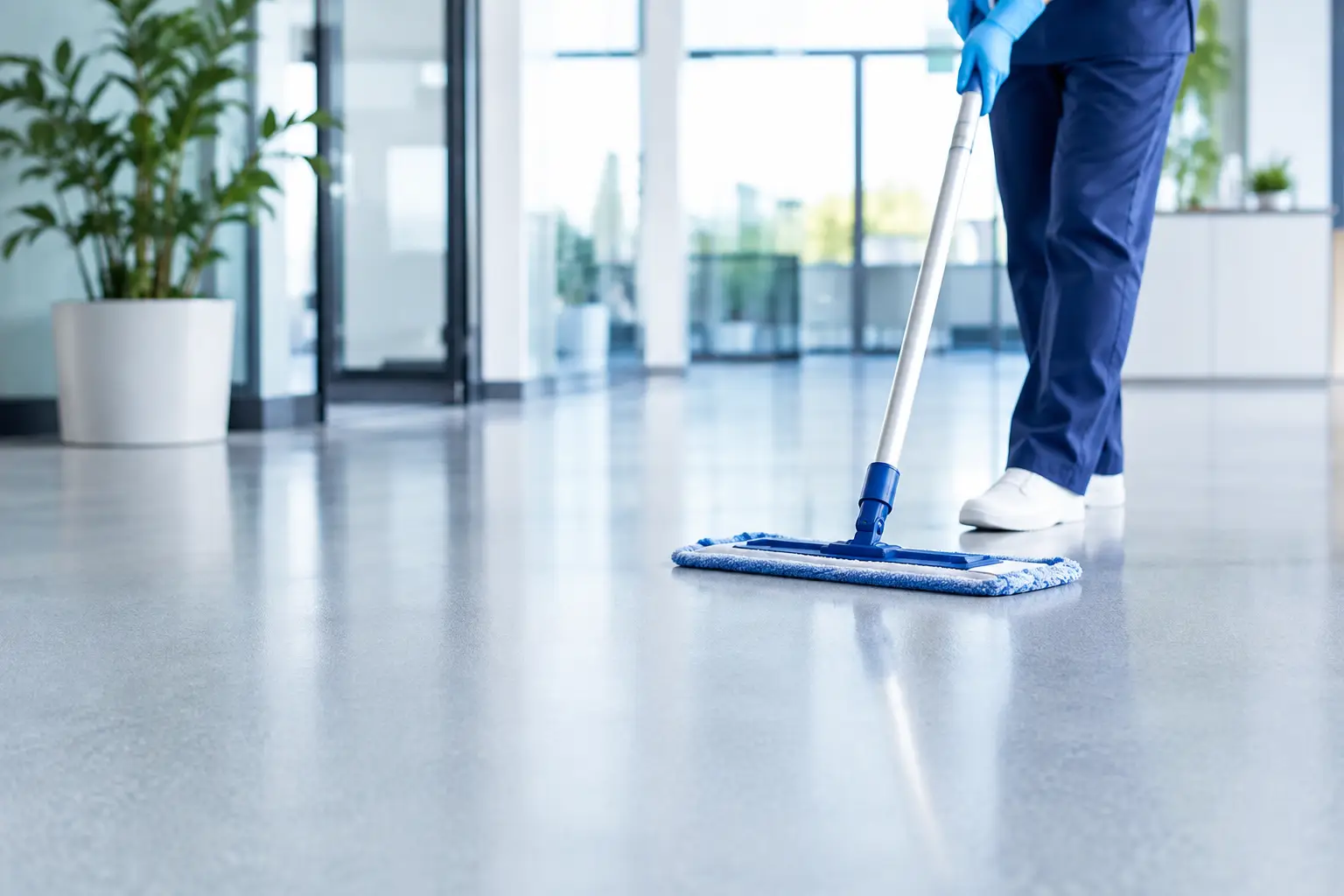
- Damp mop with warm water and a neutral pH cleaner (pH 6–8). Avoid acidic cleaners (vinegar-based products) and strongly alkaline degreasers, both of which can dull the topcoat over time.
- Check for any chips, gouges, or areas where the coating has been mechanically damaged. Small areas addressed early prevent moisture ingress and larger delamination.
Quarterly
- Inspect high-traffic zones, entry points, forklift paths, and areas under machinery for surface wear. Light surface wear is normal; wear that has reached the concrete substrate needs attention before moisture penetration begins.
- In commercial and industrial settings, inspect expansion joints and perimeter edges where the coating meets walls or drains. These are the most common points of early failure.
Annually
- Deep clean with an appropriate commercial floor cleaner to remove any built-up residue, particularly in food processing or kitchen environments.
- Consider a maintenance topcoat in very high-traffic zones every 5–7 years. A thin recoat of the polyurethane topcoat layer restores gloss and surface hardness without requiring a full system replacement.
- Reassessing anti-slip texture in areas prone to wet conditions, broadcast flake or quartz aggregate can wear down over the years in extremely high-traffic environments.
Epoxy Floor Coating vs Standard Flooring – Quick Comparison
| Feature | Epoxy Floor Coating | Standard Concrete / Paint |
| Durability | 20–30 years with care | 3–5 years |
| Slip Resistance | Anti-slip additives available | Low, slippery when wet |
| Chemical Resistance | High (oils, acids, solvents) | None, stains permanently |
| Maintenance | Very easy, mop & rinse | Requires frequent repainting |
| Cost Over 10 Years | Lower (minimal upkeep) | Higher (repeated repairs) |
| Aesthetic Options | Flake, metallic, marble, gloss | Very limited |
Common Mistakes to Avoid
Never apply epoxy over a damp, dusty, or unground concrete surface; bonding will fail within months.
Skipping the grinding/preparation step is the #1 cause of epoxy peeling on Sydney jobs.
Not all “epoxy paints” sold at hardware stores are true floor coatings; cheap products use low-grade resins that yellow under UV and peel under traffic.
DIY kits rarely include the moisture barrier primer Sydney’s humidity demands.
Why Choose Our Epoxy Floor Coating in Sydney?
Sydney Epoxy Flooring isn’t a generic trade contractor. We are a dedicated floor coating specialist with over 12 years of hands-on experience across every property type, including garages, warehouses, factories, hospitals, schools, showrooms, and outdoor patios.
Our Full Service Range
- Epoxy Flooring – decorative flake, metallic, marble, and solid colour systems
- Industrial Coatings – heavy-duty workshop and warehouse floor coating
- Polyurethane Cement – ideal for food-grade and wet environments
- Floor Coating & Waterproofing – patios, pool decks, and balconies
- Line Marking Systems – safety and navigation marking for industrial sites
- High-Pressure Cleaning – pre-coating preparation and ongoing maintenance
- UV-Resistant Outdoor Epoxy – walkways, driveways, and outdoor spaces
- Epoxy Over Existing Tiles – saves the cost of full tile removal
Our Installation Process: Step by Step
Free Initial Consultation: We assess your site, understand your requirements, and recommend the right coating system for your specific use case.
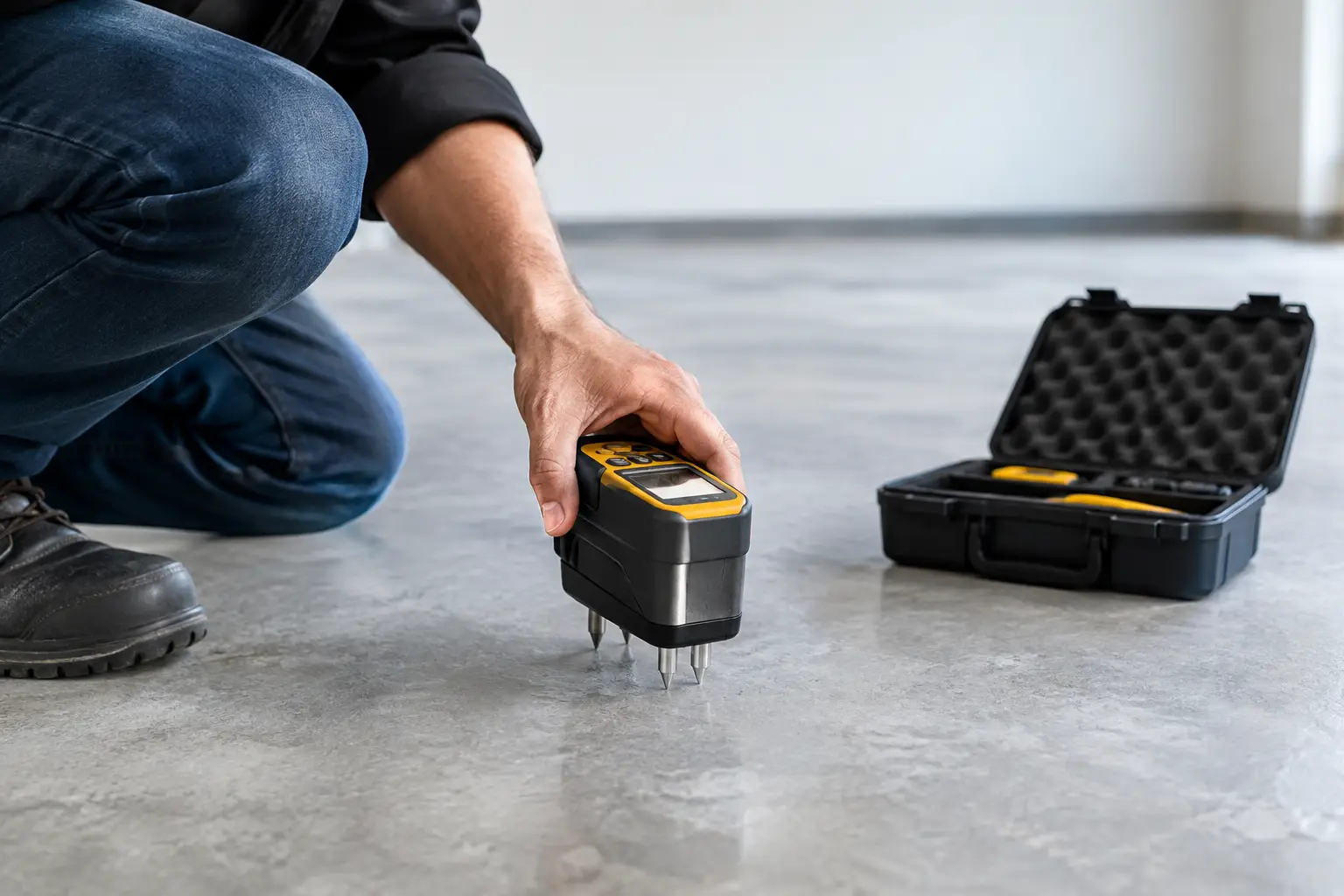
Site Inspection & Floor Assessment: We evaluate substrate condition, check moisture levels, and identify any existing cracks or damage that need addressing.
Customised Proposal: You receive a detailed written quote with a clear cost breakdown, no hidden charges, no surprises.
Surface Preparation: Diamond grinding, crack repair, and priming. This step is non-negotiable. It’s what separates a 20-year floor from one that peels in 18 months.
Application, Curing & Final Inspection: Our trained professionals apply the system in controlled conditions, ensure proper curing time, and conduct a final quality inspection before handover.
Coverage Area
We service all of Sydney, Castle Hill, Parramatta, Blacktown, Liverpool, Penrith, North Sydney, Inner West, Eastern Suburbs, Hills District, Sutherland Shire, and the Greater Sydney region. If you’re in Sydney, we can come to you.
Frequently Asked Questions (FAQ)
What is epoxy floor coating in Sydney, and how long does it last?
Epoxy floor coating in Sydney is a two-part resin and hardener system applied to concrete to create a hard, seamless, chemical-resistant surface. Properly installed, it lasts 20–30 years in residential settings and 10–15 years in heavy industrial environments with minimal maintenance.
Is epoxy floor coating in Sydney slip-resistant?
Yes. We apply anti-slip additives, quartz aggregate, and broadcast flake chips to all systems in areas prone to moisture or heavy foot traffic. Every installation meets Australian slip-resistance standards for homes and workplaces.
How much does epoxy floor coating in Sydney cost?
Cost depends on floor area, substrate condition, and the system type. Call 1300 621 873 for a free on-site quote. We provide a fully transparent, itemised proposal before any work begins.
How long does epoxy floor coating in Sydney take to apply?
A standard garage takes 1–2 days. Larger commercial or industrial projects take 3–5 days. Surface preparation adds time but is essential for a long-lasting result.
Can epoxy floor coating be applied over existing tiles?
Yes, in many cases. We assess tile stability first. It’s a popular option for commercial kitchens and retail spaces, as it saves the cost and disruption of full tile removal.
Is epoxy floor coating in Sydney safe for food-grade environments?
Absolutely. We offer food-safe epoxy and polyurethane cement systems for kitchens, food processing facilities, and pharmaceutical labs, hygienic, seamless, and resistant to hot water wash-downs.
What preparation is needed before epoxy floor coating in Sydney?
Diamond grinding, crack repair, and moisture-tolerant priming. This is the most critical part of the process; skipping it is the leading cause of coating failure.
Does epoxy floor coating work for outdoor areas in Sydney?
Yes. We use UV-stable resins specifically formulated for patios, pool decks, and driveways. Standard indoor epoxy yellows outdoors; our outdoor systems don’t.
How do I maintain epoxy floor coating?
Sweep regularly and mop with a neutral pH cleaner. Avoid abrasive products. Basic care keeps your floor looking sharp for decades. We provide a written maintenance guide with every completed project.
What industries use epoxy floor coating in Sydney?
Warehouses, factories, car dealerships, hospitals, schools, commercial kitchens, retail showrooms, residential garages, gyms, aged care facilities, and more. The system is adapted to each environment’s specific needs.
Plan a Durable, Low-Maintenance Floor
A well-installed epoxy floor coating can significantly reduce long-term maintenance while improving safety and durability. Taking the time to assess your current floor condition helps identify issues like moisture, cracking, or surface wear before they escalate. The right system should match your environment, whether residential, commercial, or industrial. Consider a structured floor assessment to determine the most suitable coating and ensure long-term performance.
Contact Sydney Epoxy Flooring Experts:
Phone: 1300 621 873
Email: info@sydepoxyflooring.com.au
Address: Unit 123/7 Hoyle Ave, Castle Hill, NSW 2154
Follow Us on Social Media:
Facebook
Instagram
YouTube
LinkedIn