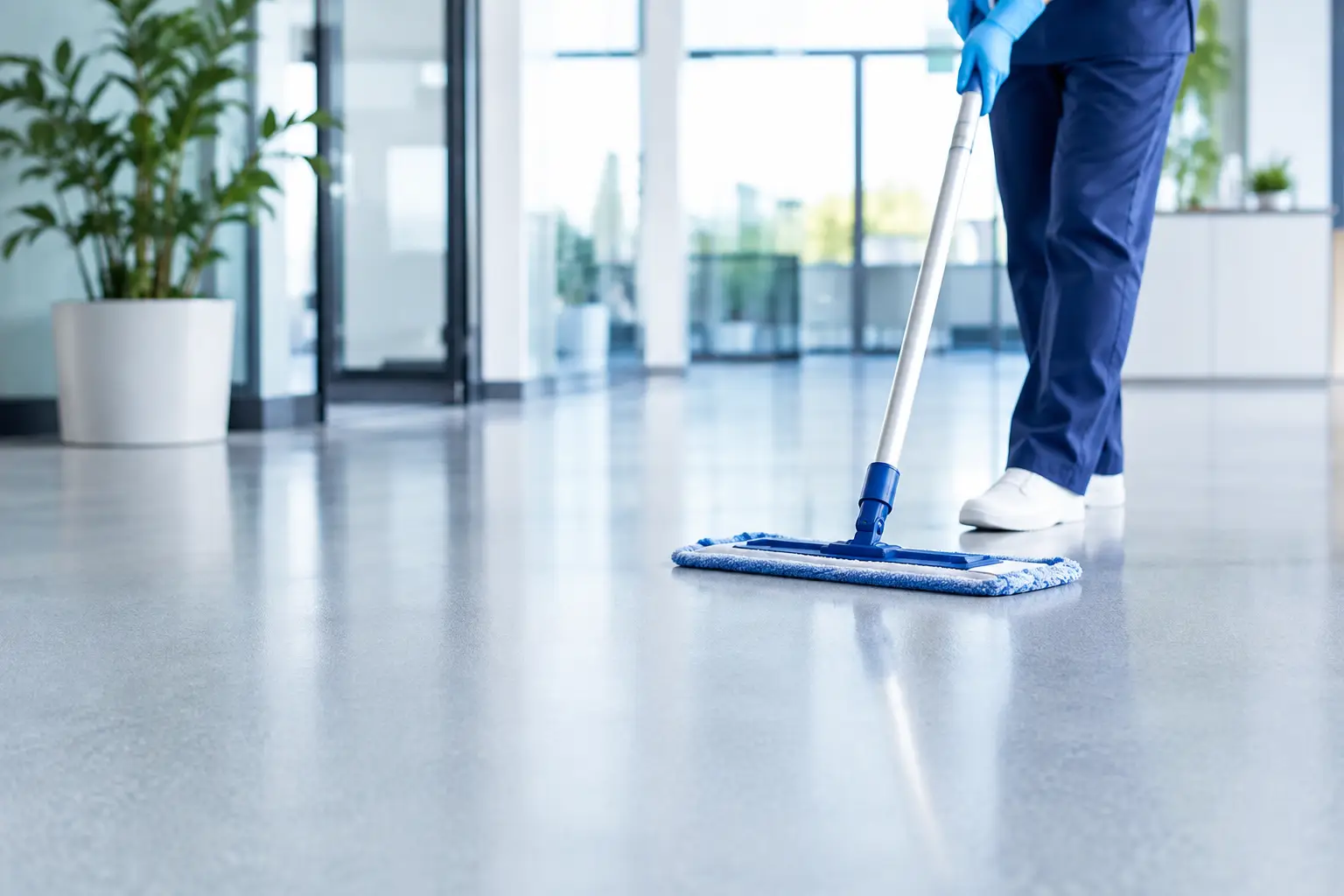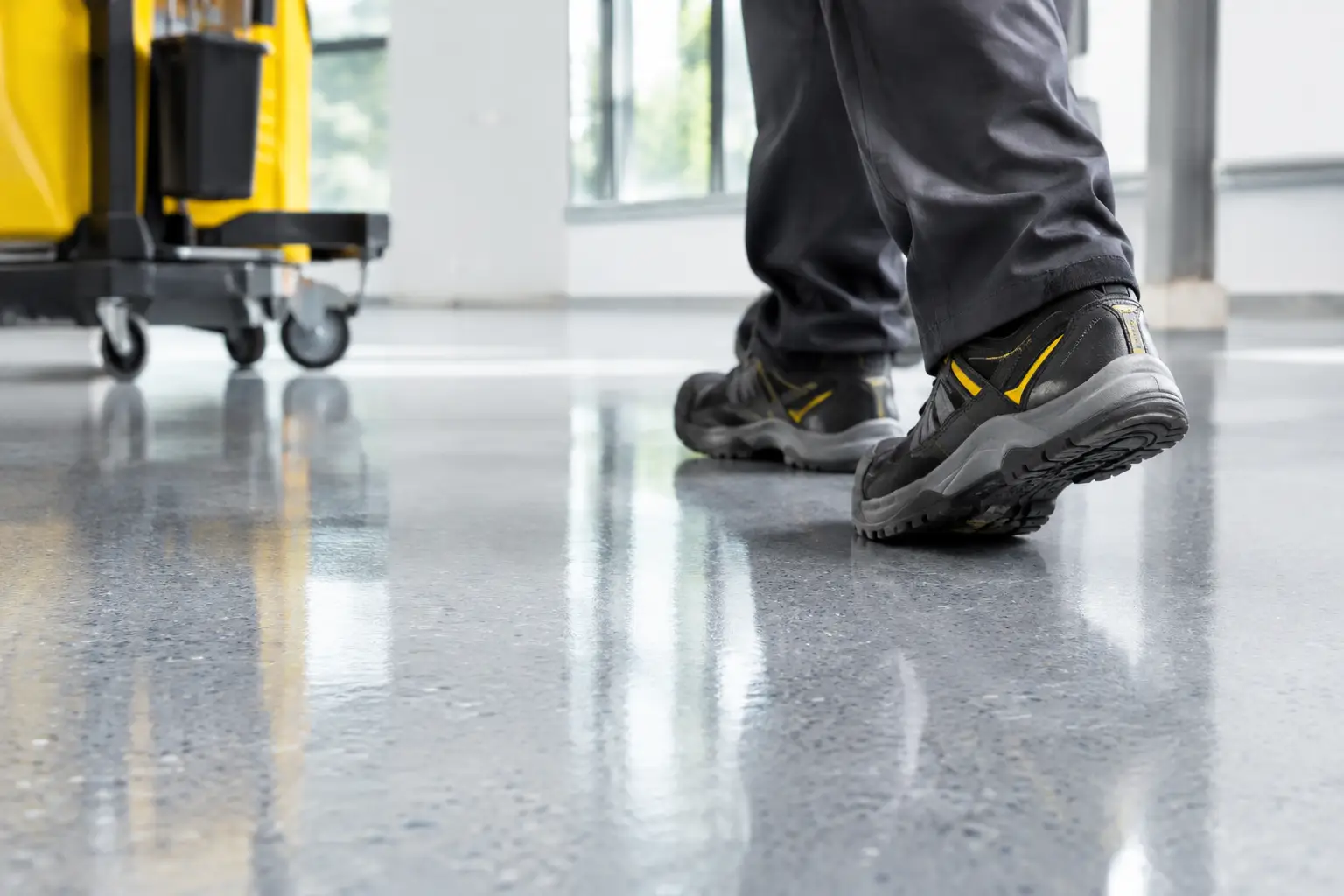
A warehouse floor that powders under forklift traffic, a garage slab stained by oil, or a commercial kitchen with slippery joints all have the same underlying problem: the floor is no longer supporting the work happening on it. Epoxy flooring Sydney property owners choose should do more than make concrete look cleaner. It needs to suit the substrate, the traffic, the safety requirements, and the downtime the site can realistically accommodate.
That is why a quality resin floor begins well before the coating is mixed. Epoxy can be an excellent long-term solution, but only when the system has been selected and installed for the conditions on site. A decorative garage floor and a chemical-exposed workshop floor may both use epoxy, yet they require very different decisions around preparation, thickness, texture, and topcoat performance.
Epoxy flooring Sydney sites can depend on starts with the concrete
Concrete is not a blank canvas. It can hold moisture, contain old sealers, carry contamination from oils or chemicals, and develop cracks as the building moves. If these conditions are ignored, even premium materials can lose adhesion, bubble, or wear unevenly.
A proper floor audit identifies what the slab is doing before a coating specification is proposed. This includes inspecting cracks and joints, checking for moisture concerns, assessing flatness, and understanding how the area is used. In a facility with forklift routes, loading zones, or wheeled trolleys, the floor must resist abrasion and point loading. In a food preparation area, cleanability, slip resistance, and waterproofing details may take priority.
Surface preparation is the point at which durable outcomes are made or lost. Mechanical grinding removes weak surface material, old coatings, and contaminants while creating the profile required for the resin to bond. Cracks need to be repaired with suitable materials rather than simply coated over. The slab must then be cleaned and primed as required by the system.
Shortcuts are often tempting when a floor looks sound from a distance. They usually become visible later as peeling edges, patchy gloss, or early wear in high-traffic areas. Preparation can create noise and dust, but professional containment, sequencing, and equipment selection help keep disruption controlled.
Choose the system for the environment, not the brochure
Epoxy is a broad category, not a single finish. The right specification depends on how the floor will be used every day and what it needs to withstand over time.
For residential garages, showrooms, retail spaces, and customer-facing work areas, decorative flake systems provide a practical balance of appearance, durability, and easier day-to-day cleaning. Flake can also help disguise dust and minor marks better than a high-gloss solid-color finish. Metallic and marble-effect epoxy systems can deliver a more distinctive visual result, though they are usually best suited to spaces where design is a central consideration and heavy industrial traffic is limited.
Solid-color epoxy is a dependable option for workshops, storage areas, plant rooms, and many commercial settings. It can be built to the required thickness and finished with an appropriate texture for safer footing. The key is to match the texture to the use of the space. A floor that is too smooth can be hazardous when wet, while an overly aggressive finish can make cleaning harder and may be uncomfortable in areas with frequent foot traffic.
Some conditions call for materials beyond conventional epoxy. Polyurethane cement is well suited to demanding environments involving thermal shock, regular washdowns, moisture, and chemical exposure, such as commercial kitchens and food-related facilities. MMA flooring can be specified where rapid curing and a shorter return-to-service window are critical. Each product family has strengths and limits, which is why the recommendation should follow the site assessment rather than a one-size-fits-all package.
Safety is built into the specification
Slip resistance should be considered alongside finish, not added as an afterthought. Kitchens, wash bays, outdoor access points, and entry areas may need a more pronounced non-slip profile than a dry office storage room. The goal is practical traction under expected conditions, including water, oil, cleaning products, and footwear worn by staff.
Line marking is another part of a functional flooring plan. Clearly defined pedestrian paths, loading zones, work cells, hazard areas, and parking bays can improve site organization and support safer movement. On an industrial floor, these details are not merely visual. They help turn the finished surface into a clearer, more manageable workplace.
Plan around preparation, application, and cure time
A resin floor installation is a sequence of controlled stages, not a single-day paint job. The exact program varies with the substrate, coating system, temperature, humidity, access requirements, and required cure time.
The work typically starts with consultation and inspection, followed by a clear scope that identifies preparation, repairs, materials, finish, and any required safety features. Once the area is scheduled, the floor is ground, repaired, cleaned, and primed. Base coats, broadcast materials, body coats, and topcoats are then applied in the correct order, with cure time allowed between stages.
For an active warehouse, workshop, retail site, or kitchen, installation logistics deserve early attention. It may be possible to stage the work by bay, room, or operational zone so the business can keep part of the site functioning. In other situations, a short full closure produces a better outcome because the contractor can maintain consistent conditions and complete the system without rushed transitions.
Clients should also distinguish between a floor that is dry to touch and a floor ready for full service. Light foot traffic, vehicle traffic, equipment placement, chemical exposure, and wet cleaning may each have different return-to-service times. Putting a floor into heavy use too early can compromise the finish before it has reached its intended performance.
What affects the cost of an epoxy floor?
The price of epoxy flooring is influenced by more than square footage. A small floor with extensive crack repair, moisture mitigation, intricate edges, multiple colors, or restricted access can require more labor than a larger open slab in good condition. The coating type, required thickness, slip-resistant aggregate, decorative finish, and project schedule also affect the scope.
A transparent estimate should explain what is included, especially surface preparation and repairs. Comparing quotes only by the lowest rate can hide important differences. One proposal may include mechanical grinding, primer, repair work, full build coats, and a protective topcoat, while another may allow for a thinner coating applied over limited preparation.
For facilities managers and business owners, the more useful measure is lifecycle value. A properly specified floor can reduce dusting, simplify cleaning, improve visibility, and protect the concrete beneath. Those benefits need to be weighed against the initial investment and the operational planning required for installation.
Protect the finish after installation
Low maintenance does not mean no maintenance. Regular sweeping removes abrasive grit that can dull a floor over time. Spills should be cleaned promptly, particularly oils, solvents, acids, and harsh chemicals. Use cleaning products compatible with the installed system, and avoid abrasive pads or tools that can scratch the topcoat.
Furniture, machinery, and pallets should be moved with care. Where heavy equipment rests in one position, suitable protective pads or load-spreading measures can help prevent concentrated damage. If an area experiences repeated impact or wear, addressing it early is usually more economical than waiting for a larger repair.
The right finish also benefits from periodic inspection. Look for damage around doorways, drains, expansion joints, loading points, and high-traffic lanes. These are the areas where an experienced flooring contractor can advise whether a local repair, new topcoat, or adjustment to the working environment is the best next step.
Sydney Epoxy Flooring approaches each project as a working surface with a purpose, not simply a coating color to choose from. When the assessment, preparation, material selection, and curing plan are handled with care, the result is a floor that looks professional and continues to perform when the site gets busy.
Before committing to a system, walk the area with the people who use it most. Their experience with spills, traffic, cleaning routines, temperatures, and bottlenecks often reveals exactly what the finished floor needs to do.