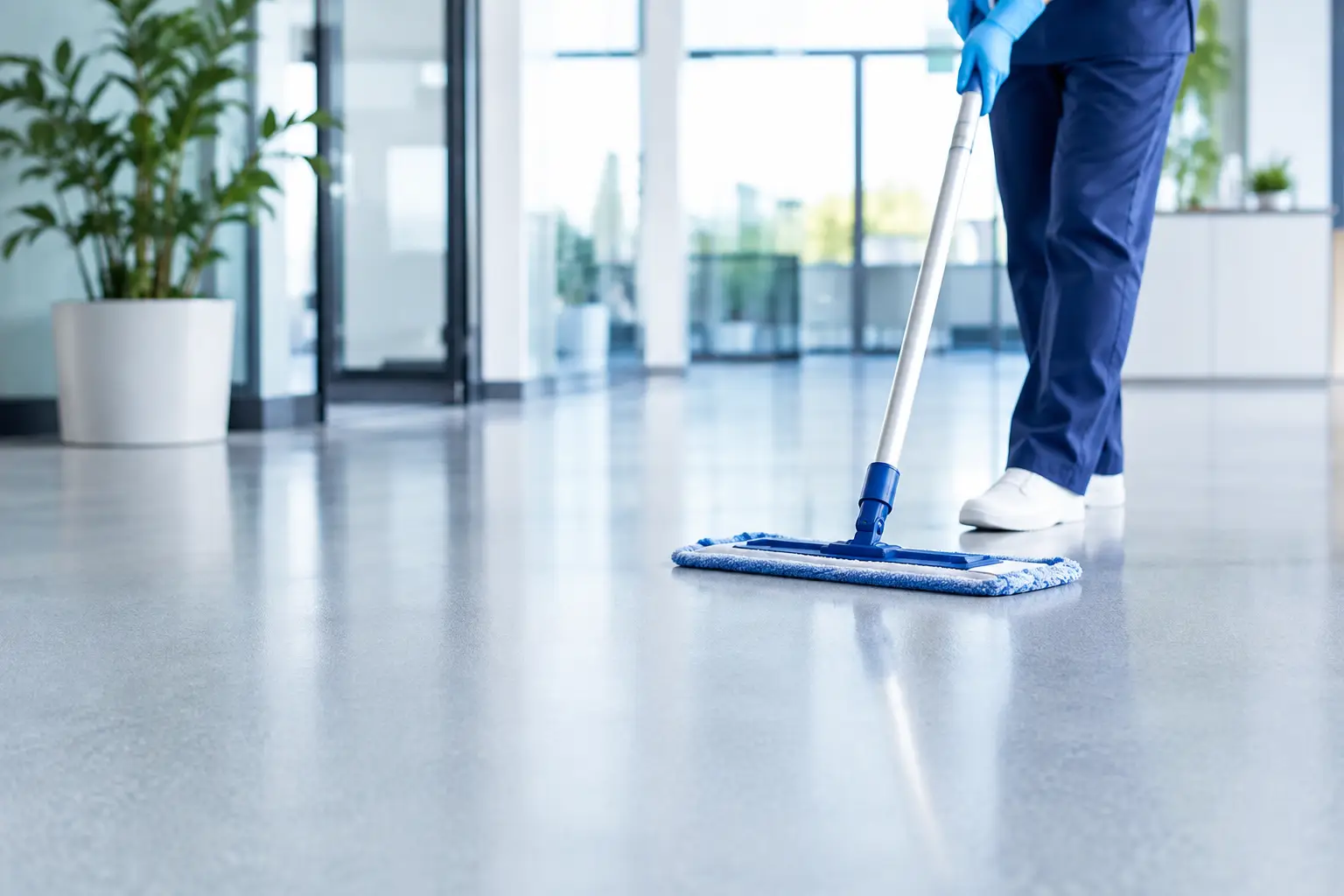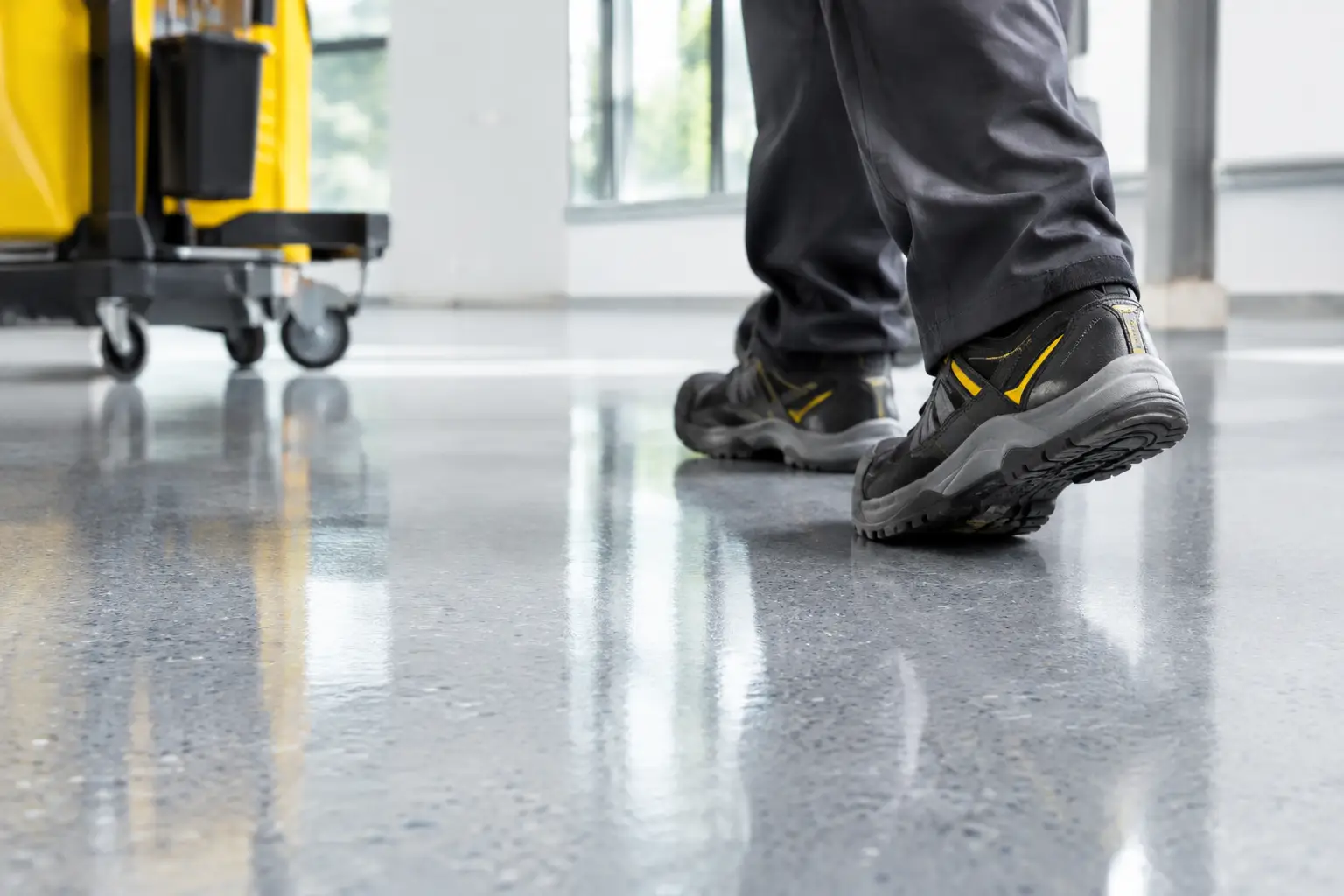
A production floor cannot always wait days for a coating to cure. When a commercial kitchen, workshop, loading area, or retail space needs to return to service quickly, MMA flooring installation can provide a practical answer. Methyl methacrylate systems cure rapidly, even in cooler conditions, while delivering a hard-wearing, hygienic surface designed around the demands of the site.
That speed is valuable, but it does not make MMA a shortcut. A successful floor still depends on careful assessment, substrate preparation, material selection, application timing, and final inspection. The resin cures quickly. The planning and workmanship behind it cannot be rushed.
Why MMA Is Chosen for Time-Critical Floors
MMA flooring is a resin system known for its fast cure time. In the right conditions, an installed floor can be ready for foot traffic within hours rather than days. This makes it particularly suitable for businesses that cannot afford prolonged closures, including food-service areas, medical spaces, retail premises, warehouses, and vehicle workshops.
Fast return to service is only one reason to specify MMA. The system can also be built to provide slip resistance, chemical resistance, abrasion resistance, and an easy-to-clean finish. Color options and line marking can improve wayfinding and help separate pedestrian routes, storage zones, work cells, and hazardous areas.
The right specification depends on how the area is used. A commercial kitchen may need a textured, slip-resistant finish with coved wall junctions and waterproof detailing. A workshop may prioritize resistance to oils, fuels, impact, and tire traffic. A public-facing retail floor may require a cleaner visual finish with minimal downtime. The resin is the starting point, not the whole solution.
MMA Flooring Installation Starts With the Concrete
The condition of the substrate determines whether a resin floor will perform as intended. Concrete that looks sound can still contain moisture, contamination, weak surface paste, old adhesive, or hidden cracking. Before work begins, the floor should be assessed for its condition, profile, levels, drainage requirements, existing coatings, and likely sources of contamination.
Surface preparation usually involves mechanical grinding or shot blasting to remove weak material and create the profile needed for adhesion. In occupied facilities, dust control and work-zone containment should be planned carefully to reduce disruption to adjacent operations.
Cracks, joints, holes, and damaged sections must be addressed before coating. Not every crack should be treated the same way. Static cracks can often be repaired as part of the preparation process, while movement joints may need to remain functional and be detailed with a compatible flexible sealant. Coating over active movement without the right joint treatment can lead to cracking in the finished surface.
Moisture is another important consideration. MMA systems can be useful in challenging conditions, but moisture testing and substrate evaluation still matter. If water vapor, hydrostatic pressure, or poor drainage is affecting the slab, the installation plan may need a moisture-tolerant primer, additional remediation, or a different flooring build-up.
The Value of a Proper Floor Profile
Resin needs a clean, mechanically prepared surface to bond correctly. Acid washing or simple cleaning is rarely enough for a high-performance installation. Grinding removes contamination and opens the concrete surface, helping the primer penetrate and anchor to the slab.
Preparation also reveals problems that are easy to miss during a visual inspection. Soft concrete, failed previous coatings, oil-soaked areas, and uneven repairs become visible once the surface is opened. Finding these issues before the resin is applied protects the finished floor and prevents avoidable downtime later.
Selecting the Right MMA System Build-Up
MMA flooring is not a single product applied in one standard thickness. It is a family of systems that can be tailored to the environment. A thin coating may suit a lighter-duty interior space, while a broadcast system with aggregate can create greater thickness, improved traction, and stronger resistance to mechanical wear.
For wet work areas, the level of texture must be selected carefully. Too little texture can reduce slip resistance when water, oil, or food residue is present. Too much texture can make cleaning more difficult and increase wear on equipment wheels. The best finish balances safety, sanitation, and daily maintenance requirements.
Color and visual zoning should also be considered before installation. Safety lines, exclusion zones, walkways, and bay markings are most effective when integrated into the flooring plan rather than added as an afterthought. In operational settings, clear marking supports safer traffic flow and can make a large work area easier to manage.
The MMA Flooring Installation Process
Once the floor has been inspected and prepared, the installation moves quickly. This is where experienced scheduling and a disciplined crew make a measurable difference. MMA has a short working window, so materials must be mixed accurately and applied in a controlled sequence.
A typical project begins with primer application to promote adhesion and stabilize the prepared substrate. Depending on the system, installers may then apply a body coat, broadcast aggregate for texture and thickness, remove excess material after curing, and finish with a protective seal coat. Decorative flakes, colored quartz, or line markings can be incorporated where the design calls for them.
Because MMA cures rapidly, installers work in planned sections with clear edges and controlled overlap points. Temperature, humidity, ventilation, and substrate conditions all influence the working time. Good workmanship is visible in consistent texture, clean transitions, even coverage, and carefully detailed edges around drains, doorways, columns, machinery bases, and wall junctions.
Strong odor is a practical factor during application. MMA resins have a noticeable smell while being installed, so ventilation, containment, and timing should be part of the project plan. For sensitive sites, work may be scheduled overnight, during shutdown periods, or in stages to keep disruption under control. Fast curing helps reduce closure time, but site coordination remains essential.
Curing Is Fast, Inspection Is Still Necessary
A rapid cure does not mean the floor should be handed back without checks. Before reopening an area, the contractor should inspect coverage, texture, adhesion at critical details, cure consistency, and the finish around joints and transitions. Any designated safety markings should be checked for clarity and placement.
The exact return-to-service time depends on the system, site temperature, and intended traffic. Light foot traffic, wheeled equipment, vehicle use, chemical exposure, and washdown conditions place different demands on a new surface. The handover plan should state when each type of use can safely resume rather than relying on a single general cure time.
Where MMA Flooring Performs Best
MMA is particularly effective where downtime is expensive and the floor needs more than a cosmetic upgrade. Commercial kitchens, food processing areas, cold rooms, workshops, warehouses, medical facilities, car parks, and retail sites can all benefit from a properly specified system.
It is not automatically the best choice for every project. If odor control during installation is a major constraint, or if the project has a long available closure period and different performance priorities, epoxy or polyurethane cement may be more appropriate. High-heat environments, severe thermal shock, heavy point loading, and aggressive chemicals should be assessed individually. Flooring selection should follow the operating conditions, not a one-size-fits-all product preference.
For property owners and facility managers, the useful question is not simply, “How fast can this floor be installed?” It is, “What does this floor need to withstand once operations restart?” That answer should guide the thickness, aggregate, finish, detailing, and maintenance plan.
Maintaining an MMA Resin Floor
After installation, routine cleaning protects appearance and traction. Dirt, grease, and chemical residue should be removed with cleaning products suited to the floor and the contaminants present. Harsh tools or unsuitable cleaners can dull the finish or leave residue in textured surfaces.
Regular inspections are worthwhile in high-traffic areas, especially around drains, thresholds, loading points, and expansion joints. Addressing local damage early is usually faster and more cost-effective than allowing moisture or contaminants to work beneath the surface.
Sydney Epoxy Flooring approaches each MMA project as an operational flooring solution, beginning with the slab and ending with a finish matched to the site’s daily demands. When time is limited, careful preparation and the right system design are what turn a fast-cure resin into a floor that keeps performing long after the doors reopen.