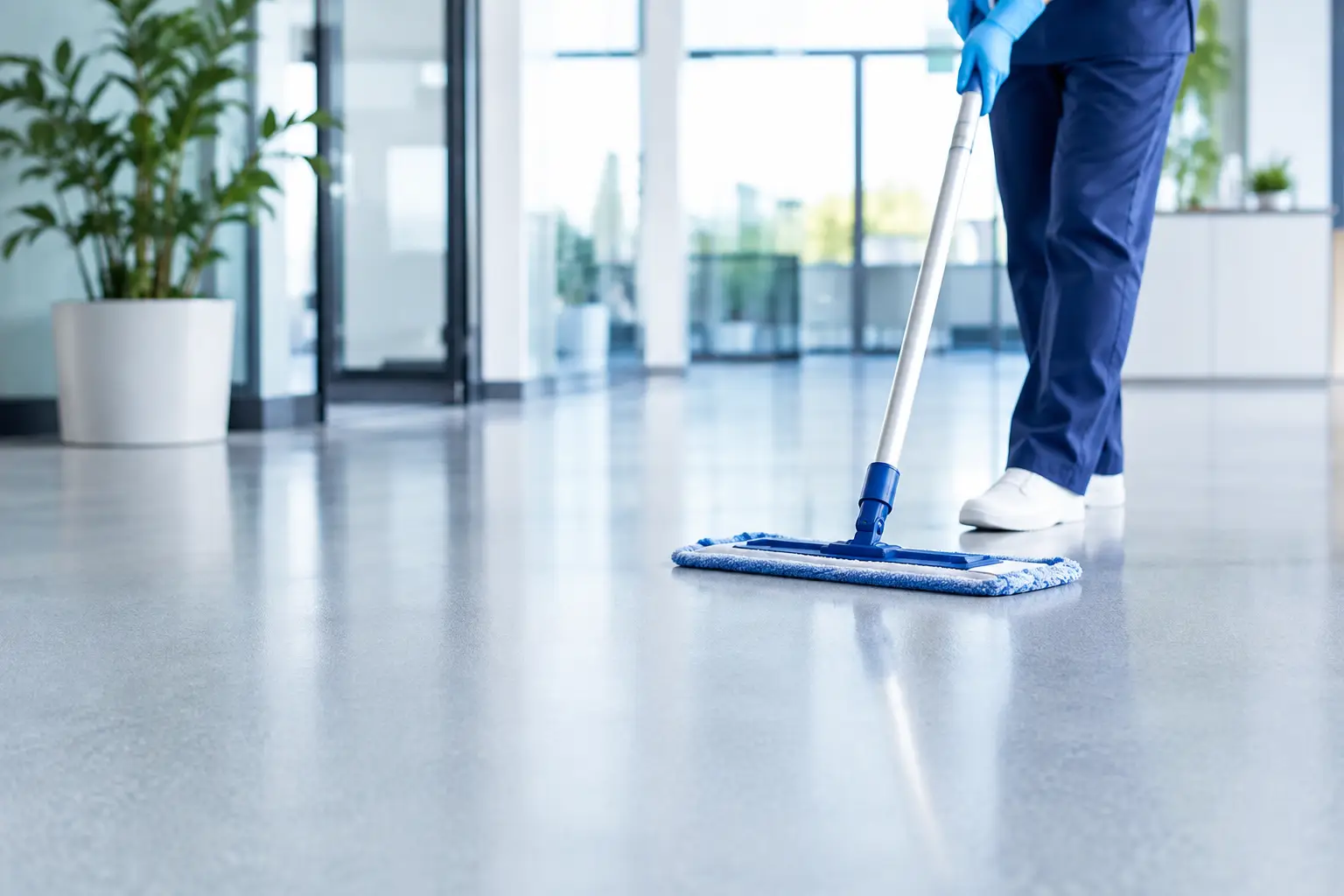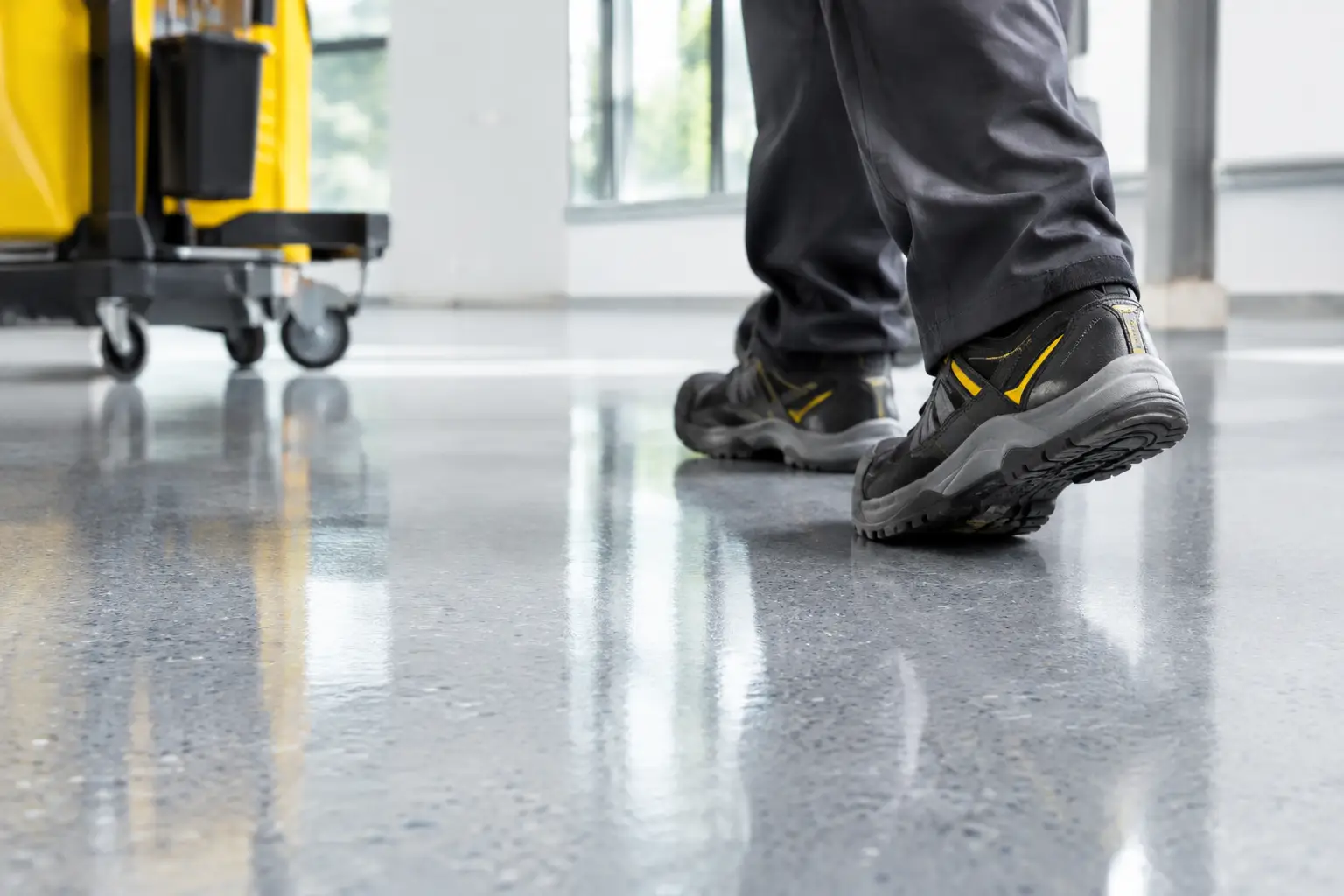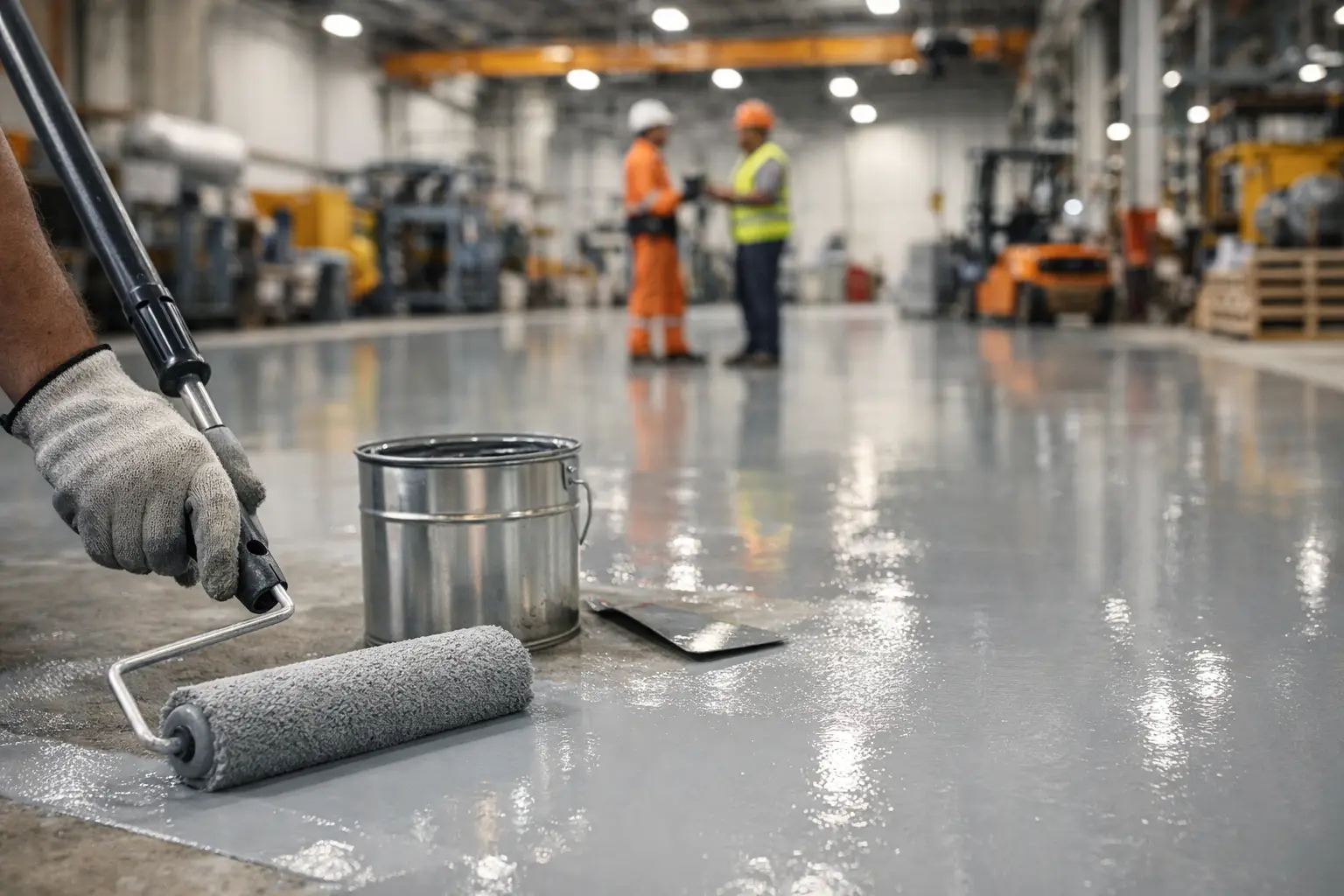
A warehouse floor can look acceptable and still be a liability. Fine cracks collect dust, forklift traffic wears away weak concrete, oil stains spread, and faded safety zones make movement harder to manage. Industrial epoxy coatings Sydney businesses choose should address those daily pressures, not simply add a layer of color over a tired slab.
The right resin flooring system creates a dense, easy-to-clean surface designed around the way a site actually operates. That means considering vehicle loads, chemicals, moisture, heat, hygiene requirements, slip risks, cleaning methods, and the shutdown window available for installation. A coating only performs as well as the assessment, preparation, and application behind it.
What an industrial epoxy floor needs to handle
Industrial environments place very different demands on concrete than an office, retail space, or residential garage. A workshop may need resistance to oil, fuel, and dropped tools. A food production area may need a hygienic, non-slip finish that stands up to frequent washdowns. A warehouse may need clearly defined traffic routes, loading zones, and pedestrian walkways that remain visible under constant forklift use.
Epoxy is a strong option because it forms a hard, bonded surface that improves dust control, chemical resistance, and day-to-day cleanability. It can also be finished in solid colors, with slip-resistant aggregate, or alongside industrial line marking to create a more organized workplace.
However, epoxy is not automatically the best answer for every facility. Areas exposed to sustained heat, thermal shock, aggressive cleaning, or high moisture vapor may be better served by polyurethane cement or another specialist resin system. The practical question is not, “Which coating looks best?” It is, “Which system will keep performing under this floor’s real conditions?”
Industrial epoxy coatings Sydney sites can rely on start below the surface
Concrete is rarely a blank canvas. Older slabs may have absorbed oils, been treated with curing compounds, developed cracks, or been patched multiple times. New concrete can also present challenges if it has not reached an appropriate moisture condition or if the surface is too smooth for a reliable bond.
This is why a site inspection and floor audit should come before material selection. A professional assessment identifies the substrate condition, moisture concerns, contamination, existing coatings, floor levels, drainage details, and operational constraints. It also helps establish whether local repairs are sufficient or whether larger areas need rebuilding before coating begins.
Surface preparation is the work that determines whether an industrial epoxy system bonds properly. Mechanical grinding removes weak surface material, opens the concrete profile, and eliminates many contaminants that would otherwise interfere with adhesion. Cracks, joints, pits, and damaged edges are then repaired using materials suited to the movement and loading conditions involved.
Skipping preparation may reduce the initial project cost, but it usually increases the chance of peeling, blistering, premature wear, or visible failures around repairs. For active sites, those failures can create another disruption later. Proper preparation is an investment in service life, not an optional extra.
Moisture is a design issue, not a minor detail
Moisture vapor rising through a concrete slab can affect the bond between the coating and substrate. It may cause blistering or delamination if it is not identified and managed early. Ground-floor warehouses, older buildings, and sites with changing drainage conditions are particularly worth testing.
Depending on the findings, the solution may involve a moisture-tolerant primer, vapor-control layer, or an alternative flooring system. The correct approach depends on the slab and the environment. Applying a standard epoxy system without checking moisture is a risk that a well-managed project should avoid.
Match the coating system to the operation
A durable floor is not defined by thickness alone. It is defined by whether the full system – primer, body coat, aggregate where needed, and topcoat – is specified for the work taking place on it.
For general warehouses, storage facilities, and light manufacturing spaces, an epoxy coating can provide a hard-wearing, dust-free surface that is easier to sweep and maintain than bare concrete. Color zoning and line marking can support safer traffic flow without creating separate maintenance problems.
For automotive workshops and service bays, chemical resistance and impact performance are key. Oil, brake fluid, cleaners, tire traffic, and dropped equipment all influence the recommended finish. A textured coating can improve underfoot grip, but the profile must be selected carefully. An overly aggressive texture can trap grime and make cleaning more labor-intensive.
Commercial kitchens, food-related facilities, and washdown areas call for another level of consideration. Hygienic detailing, coved wall transitions, drainage, slip resistance, and resistance to hot-water cleaning may point toward polyurethane cement rather than standard epoxy. The system must support cleaning routines without becoming difficult to sanitize.
Fast-turnaround sites may benefit from methyl methacrylate, or MMA, flooring. MMA systems can cure more quickly than conventional options, helping reduce downtime where a business cannot close for long. The trade-off is that MMA installation requires experienced planning and controlled application due to its distinct material characteristics and odor during installation.
Safety and maintenance should work together
A safer floor is not just a rougher floor. Slip resistance needs to reflect the contaminants, footwear, slope, cleaning practice, and traffic on site. A distribution center with dry forklift routes has different needs from a processing room exposed to water and grease.
The goal is a surface that improves traction without making routine cleaning unnecessarily difficult. This balance often comes from selecting the right aggregate size and placing it where it is needed most, rather than applying one heavy texture across an entire facility.
Line marking is another practical part of industrial floor safety. Clearly marked walkways, forklift lanes, exclusion zones, loading areas, and storage bays help teams use space consistently. When integrated with a resin flooring project, markings can be designed to bond well and remain clear under normal industrial traffic.
Maintenance is straightforward when the coating and cleaning method suit each other. Regular sweeping removes abrasive grit that can wear any floor over time. Prompt cleanup of chemical spills, use of suitable detergents, and avoiding harsh tools that scratch the surface all help preserve the finish. Facilities managers should also inspect high-traffic turning points, thresholds, and expansion joints as part of their normal maintenance plan.
Plan installation around downtime and access
Industrial flooring projects require more than a material choice. They require a workable installation plan. Access routes, equipment relocation, ventilation, cure times, noise restrictions, staging areas, and handover requirements all affect how efficiently the work can be delivered.
A clear proposal should explain the preparation scope, repair allowances, coating system, finish, line marking requirements, expected schedule, and curing period. Transparent planning makes it easier for operations leaders to decide whether the work should be staged by zone, completed during a shutdown, or scheduled outside peak trading hours.
Sydney Epoxy Flooring approaches this process from inspection through final review, with the aim of minimizing unnecessary disruption while maintaining the preparation standards the system needs. Rushing the coating process to reopen a site early can compromise long-term performance. A realistic schedule protects both the floor and the operation.
Cost should also be viewed in terms of lifecycle value. The least expensive quote may exclude critical grinding, moisture management, repairs, or a suitable topcoat. A properly specified system can reduce concrete dust, simplify cleaning, improve workplace presentation, and avoid the repeated patching associated with unprotected slabs.
Choosing a contractor for demanding floors
Ask how the contractor assesses concrete, manages moisture, prepares damaged areas, and verifies the finish before handover. A capable installer should be able to explain why a specific system suits your traffic, contaminants, safety requirements, and operating schedule in plain language.
The best time to address floor problems is before they interrupt production, create cleaning issues, or become a safety concern. A site inspection gives you a practical starting point: understand the slab, define what the space needs to handle, and build a coating system that is ready for the work ahead.